

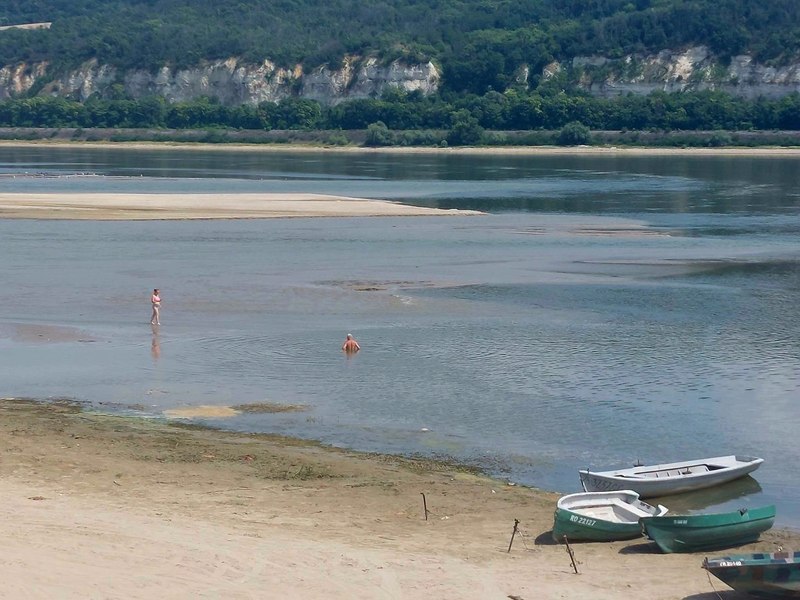
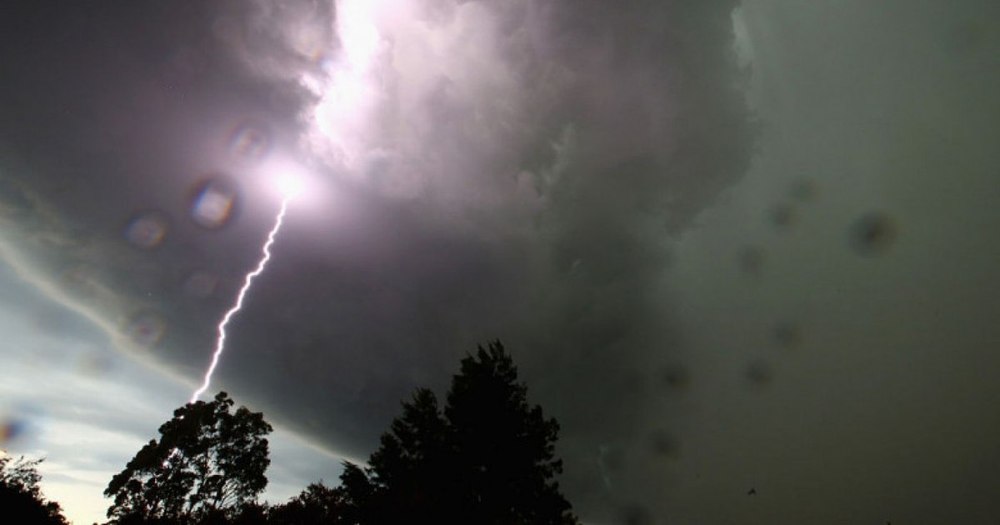
Mediterranean remains charged after scorching summer as meteorologists warn of flash-flood season
Translated from Romanian and summarized by DistantNews. Read the original for the full story.
At a glance
Explainer
Documents & data
Ongoing story
- A hot, dry summer has left the Mediterranean unusually warm and increased the potential for intense storms and torrential rain in September and October.
- Forecasts indicate continued heat in early September, with temperatures around 35°C in Rome, 34°C in Athens and 33°C in Madrid.
- Meteorologists warn that the contrast between cold air moving south and warm sea water could produce violent storms, hail and flash floods.
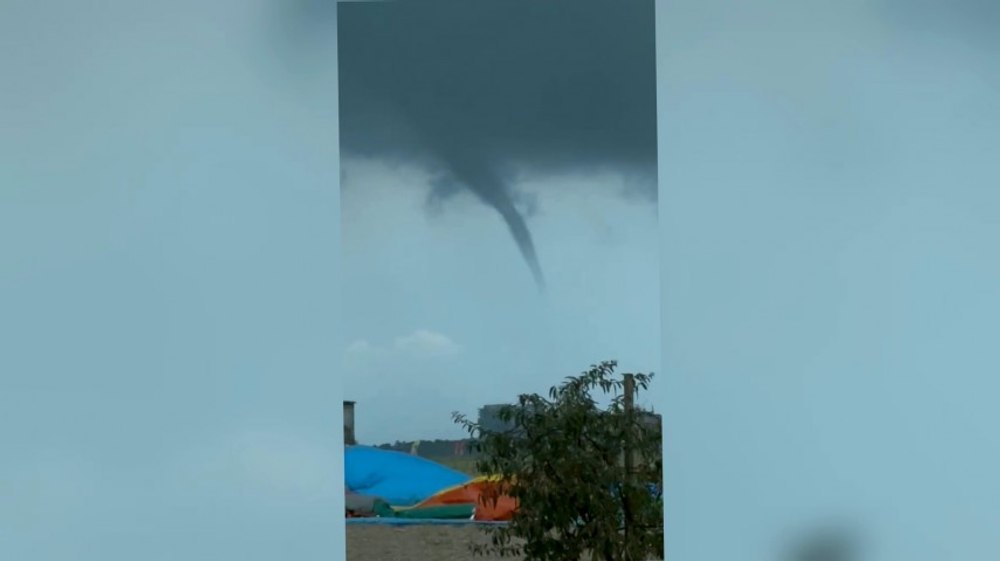
The Mediterranean has absorbed months of extreme summer heat, and meteorologists warn that the warm water could now help power violent storms. Southern Europe is entering its normal peak period for flash floods, with the highest risk expected in September and October.
Europe's summer brought repeated heatwaves, drought and wildfires. Fires affected Spain, Portugal, France, Greece and Turkey, destroying thousands of hectares and prompting large evacuation operations. The European Commission described the conditions in June as a serious illustration of climate change linked to human activity.
The heat is expected to continue into early September. International forecasting platform WFY24 projects average daily highs of about 35°C in Rome, 34°C in Athens and 33°C in Madrid, roughly six to eight degrees above the usual levels for the start of autumn. Berlin and London are expected to remain much cooler, at about 21°C and 20°C respectively.
Rain and storms have already interrupted the heat in parts of the United Kingdom, Germany and France, moistening soils that had been dried by drought. That cooling does not remove the risk of extreme weather. Warm sea water increases evaporation and loads the atmosphere with moisture, while the arrival of colder air from the north can create the temperature contrast needed for torrential rain, hail and sudden flooding.
About this summary
Originally published by Adevărul in Romanian. Translated, summarized, and contextualized automatically by DistantNews, with a note on how the source frames the story. Not individually reviewed before publishing. How this works.
More Stories
From Our Blog

What Gets Lost (and Found) When News Is Translated

The Critical Role of Diaspora Media in Global News

What Travellers Should Know About Countries with Restricted Press

A Digital Nomad's Guide to Following Local News

How the Same Story Looks Different in Different Countries
