

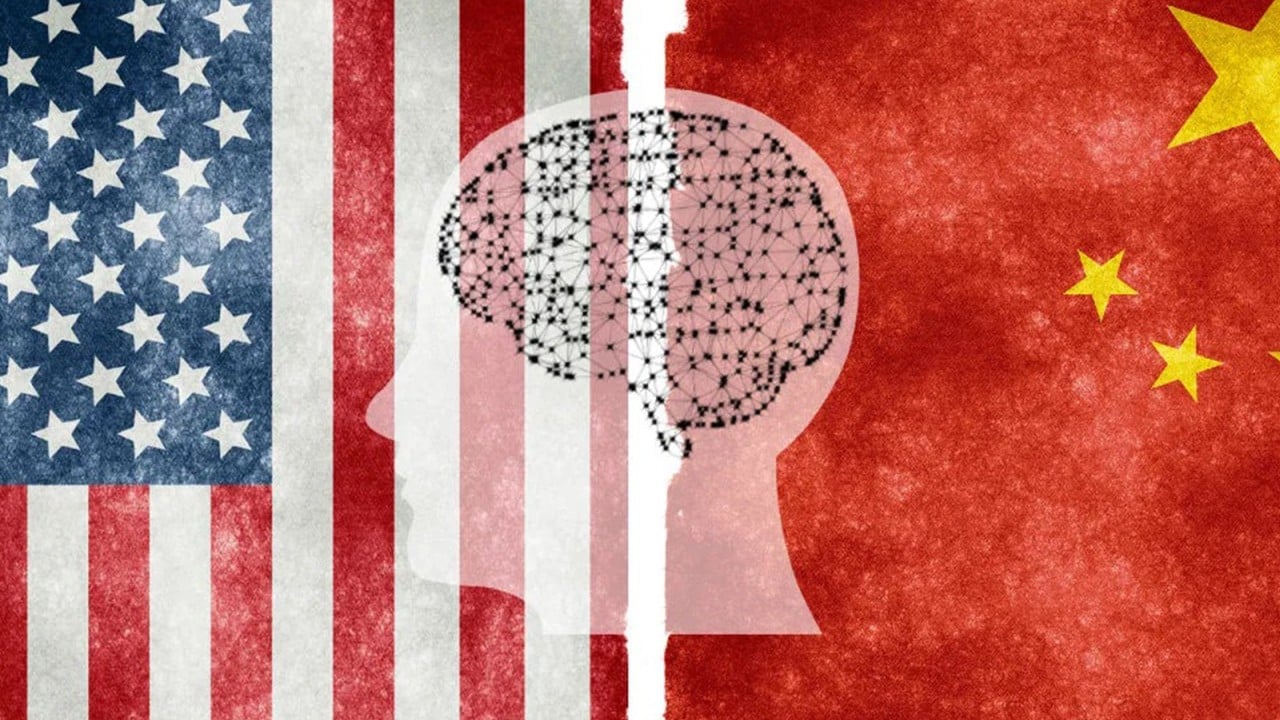

Microsoft AI Scientist Li Hongzhi Joins China's Tongji University
Translated from English and summarized by DistantNews. Read the original for the full story.
At a glance
News
Named sources
Context piece
- Li Hongzhi, a former head of GenAI at Microsoft Asia, has joined China's Tongji University.
- Li previously worked at Microsoft Research for over 10 years after obtaining his PhD from Columbia University.
- The move is part of a trend of Chinese scientists returning to China from the US.
The departure of Li Hongzhi, a prominent figure in artificial intelligence and former head of GenAI at Microsoft Asia, to join Tongji University in China marks a significant development. Li, who spent over a decade at Microsoft Research after earning his PhD from Columbia University, brings a wealth of experience in foundational and applied research in computer science, software engineering, and hardware design. His new role as a distinguished tenured professor at Tongji University's Institute of AI for Engineering underscores the institution's commitment to advancing AI research and development.
This move is indicative of a broader trend observed in recent years: the return of highly skilled Chinese scientists and researchers from the United States back to China. These individuals, often educated and trained at top Western institutions and companies, are choosing to contribute their expertise to China's burgeoning technological landscape. The reasons for this migration are multifaceted, likely including increased research opportunities, state-sponsored initiatives to attract talent, and a desire to be part of China's rapid technological advancement.
Li Hongzhi's decision to join Tongji University, a leading institution in China, suggests a strategic move to leverage his expertise in a rapidly evolving field within his home country. While the South China Morning Post has reached out to Li for comment, his specific motivations remain private. However, his transition highlights China's growing capacity to attract and retain top-tier scientific talent, signaling a potential shift in the global balance of AI research and development. This trend is closely watched by international observers, as it has implications for technological innovation, economic competitiveness, and geopolitical dynamics.
About this summary
Originally published by South China Morning Post in English. Translated, summarized, and contextualized automatically by DistantNews, with a note on how the source frames the story. Not individually reviewed before publishing. How this works.
More Stories


From Our Blog

Countries Without a Free Press: The 2026 List and What It Means for Readers

What Press Freedom Means for the News You Read

News in Translation: What Gets Lost, and How We Keep the Framing

Diaspora Media: How Communities Abroad Follow Home

Traveling Where the Press Is Not Free: How to Read the News There
