

Middle East on Brink of Major Conflict Amid Strait of Hormuz Blockade and Nuclear Tensions
Translated from Romanian, summarized and contextualized by DistantNews.
TLDR
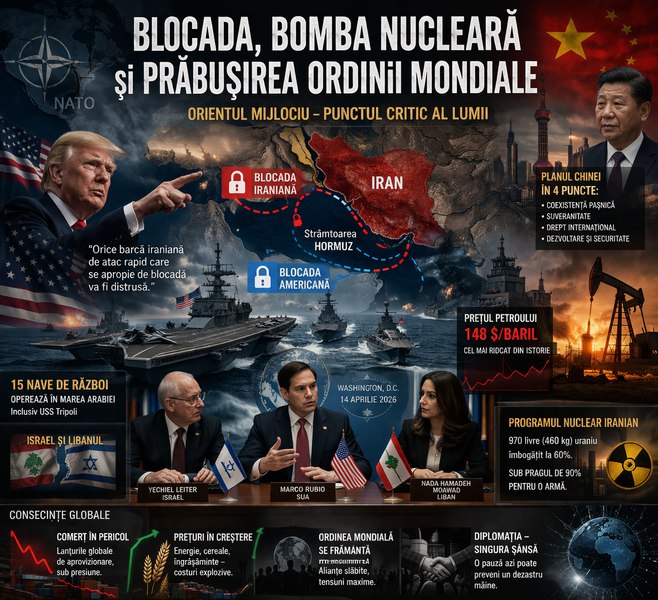
- A major conflict is brewing in the Middle East, with the Strait of Hormuz blockade and escalating military and economic pressures increasing the risk of direct confrontation between major powers.
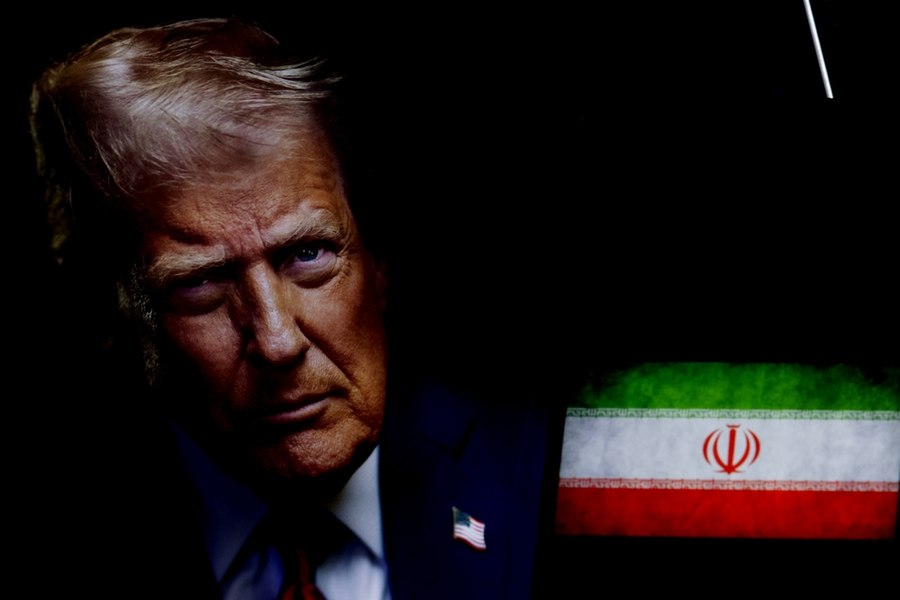
- Former US President Donald Trump indicated that the war with Iran is nearing its end, suggesting a deal where the US would help Iran prosper if it renounced nuclear weapons.
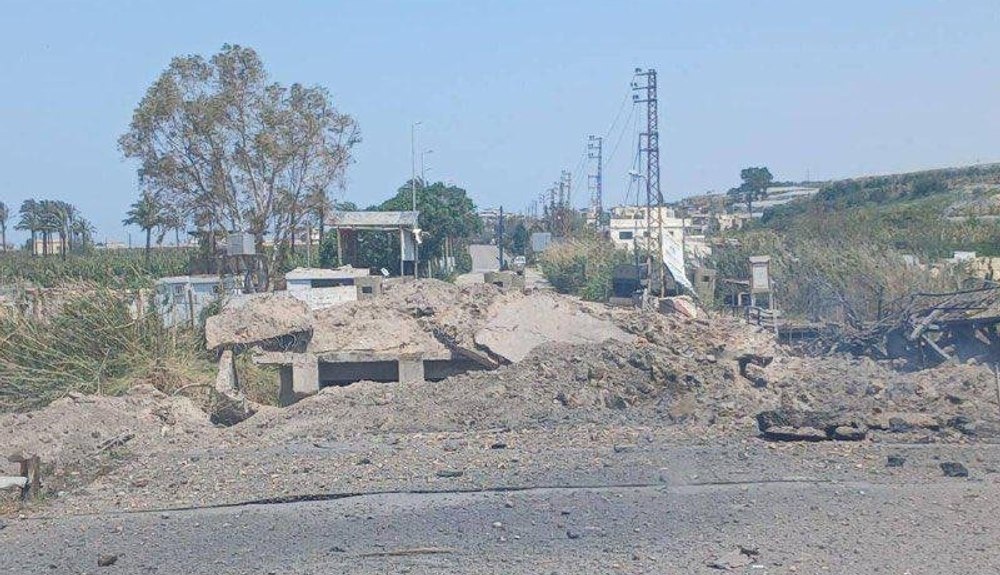
- Direct negotiations between Israel and Lebanon have begun, a rare diplomatic breakthrough, despite Hezbollah launching rockets into northern Israel during the talks.
The escalating tensions in the Middle East, marked by the blockade of the Strait of Hormuz and heightened military and economic pressures, signal a dangerous trajectory towards a global crisis, a situation Romania's Adevărul observes with deep concern. Europe's passive stance in the face of these developments is particularly troubling, as the region teeters on the brink of a direct confrontation between major powers.
războiul cu Iranul este „foarte aproape de a fi terminat."
Amidst this volatile landscape, former US President Donald Trump's assertion that the war with Iran is 'very close to being over' offers a glimmer of hope, albeit one framed by his characteristic 'big, Trump-style deal.' The proposal, as relayed by Vice President JD Vance, suggests a quid pro quo: US support for Iran's prosperity in exchange for its abandonment of nuclear ambitions. This approach, while potentially de-escalatory, underscores the complex and often transactional nature of international diplomacy as perceived from our perspective.
The commencement of direct negotiations between Israel and Lebanon represents a rare diplomatic achievement, a development that Adevărul highlights as a significant, albeit fragile, step towards peace. However, this progress is immediately challenged by Hezbollah's rocket attacks, demonstrating the persistent threat of violence and the deep-seated animosity that continues to plague the region. The article implicitly questions the sustainability of such diplomatic efforts in the face of ongoing hostilities.
„vom face Iranul să prospere" dacă se angajează să „nu dețină o armă nucleară".
As the Strait of Hormuz, a critical artery for global oil transport, faces dual blockades, and oil prices soar, the world watches a geopolitical drama unfold. The article points to the paradox of two blockades and zero oil flow, emphasizing the severe economic consequences. Amidst the turmoil within NATO and the failure of previous peace talks, China's emergence as a potential mediator is noted, adding another layer to the intricate power dynamics. From Romania's vantage point, the situation underscores the fragility of global order and the urgent need for de-escalation and stable diplomatic solutions.
o oportunitate istorică
DistantNews Editorial
Originally published by Adevărul in Romanian. Translated, summarized, and contextualized by our editorial team with added local perspective. Read our editorial standards.
More Stories
From Our Blog

What Gets Lost (and Found) When News Is Translated

The Critical Role of Diaspora Media in Global News

What Travellers Should Know About Countries with Restricted Press

A Digital Nomad's Guide to Following Local News

How the Same Story Looks Different in Different Countries
