


Missing South-East youths: Lawyers demand trial or release
Summarized and contextualized by DistantNews.
At a glance
News
Named sources
Under investigation
- Lawyers representing families of detained and missing youths in Nigeria's South-East demand the government prosecute or release detainees.
- They are calling for international intervention due to prolonged detentions and alleged disappearances.
- Concerns include the transfer of suspects to distant facilities without trial and the need for due process for all citizens.
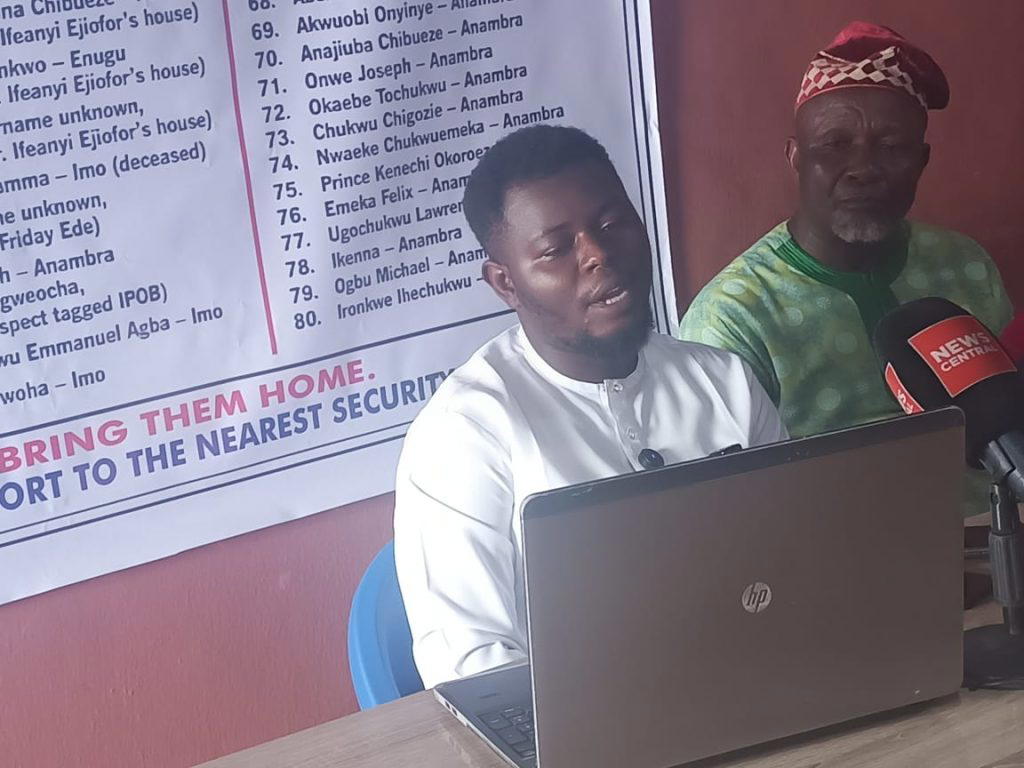
A coalition of legal practitioners in Nigeria's South-East region is demanding that the Federal Government either charge detainees with crimes or release them, citing prolonged detention and alleged disappearances of youths.
The lawyers, working with the human rights organization Fiat Justicia Juris, also appealed to the international community for intervention. They emphasized that indefinite detention without trial violates constitutional rights. Several families have reportedly endured years of uncertainty regarding relatives allegedly arrested during security operations.
Concerns were raised about suspects being transferred to distant military facilities, such as the Wawa facility in Niger State, and held for extended periods without appearing before civilian courts. The lawyers stressed that even membership in a proscribed organization like IPOB does not negate an individual's right to due process.
"Produce them. Charge those against whom admissible evidence exists. Try them before competent civilian courts. Release those against whom there is none," the lawyers stated, advocating for equal justice regardless of ethnicity or political affiliation.
The families are bearing the brunt of these detentions, often lacking reliable information about their loved ones. The lawyers cited the case of Mrs. Calista Ifedi, allegedly detained since 2021 and reported to have died in custody, demanding her remains be released and her death investigated. The team plans to compile a register of missing persons for international human rights bodies.
Produce them. Charge those against whom admissible evidence exists. Try them before competent civilian courts. Release those against whom there is none.
DistantNews Editorial
Originally published by Vanguard. Summarized and contextualized by our editorial team with added local perspective. Read our editorial standards.
More Stories


From Our Blog

How the Same Story Looks Different in Different Countries

What Gets Lost (and Found) When News Is Translated

The Critical Role of Diaspora Media in Global News

What Travellers Should Know About Countries with Restricted Press

A Digital Nomad's Guide to Following Local News
