


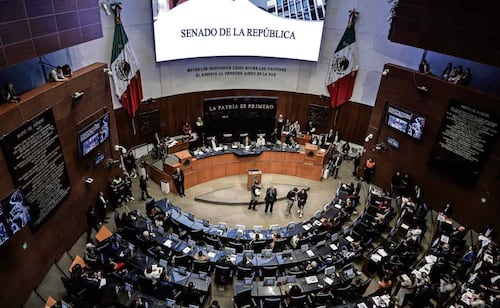
Morena Senator Urges Stronger Legal Framework for Indigenous and Migrant Children, Citing Exploitation Risks
Translated from Spanish, summarized and contextualized by DistantNews.
TLDR
- Senator Beatriz Mojica called for urgent reforms to protect indigenous, migrant, and afro-descendant children, who are vulnerable to agricultural labor exploitation and child marriage.
- The initiative aims to close the gap in practices that endanger children in rural and indigenous communities, particularly those working as agricultural laborers.
- Mojica also highlighted positive developments in cultural policy, including copyright law updates and a more inclusive approach to social rights, housing, and education.
From Mexico City, El Universal reports on Senator Beatriz Mojica's urgent call to strengthen legal protections for indigenous and migrant children. Mojica, a senator from the ruling Morena party, highlighted the grave risks these vulnerable populations face, including agricultural labor exploitation and child marriage. She emphasized the need to close the gap in current protections, particularly for children in rural and afro-Mexican communities who are often employed as agricultural laborers.
They are exposed to exploitation and marriage.
Speaking in the context of Children's Day, Mojica stressed the importance of eradicating child marriage, noting its prevalence not only in indigenous communities but across all municipalities in Guerrero. Efforts are underway with the UN Population Fund and the State Civil Registry System to train civil registry officials and legislators to combat this practice. This initiative underscores Mexico's commitment to addressing deep-seated social issues that disproportionately affect its most vulnerable citizens.
It is urgent to promote programs and reforms to give greater protection to afro-descendant, indigenous, and migrant children, as they are exposed to agricultural labor exploitation and child marriage.
Beyond child protection, the senator also provided a positive assessment of the legislative period concerning cultural policy. Key achievements include updating copyright laws to better protect creators in the digital age and fostering a more inclusive vision in cultural policy, access to housing, and education. This reflects a broader governmental push to recognize and uplift historically marginalized sectors, such as afro-descendant communities, ensuring their voices and rights are central to national development.
The legislator from Morena detailed that what has been promoted during this administration must close the gap against this type of practice that puts girls, boys, and adolescents from rural and indigenous areas, and afro-Mexicans, at risk, who are employed as agricultural laborers in the agricultural fields in different entities of the country.
DistantNews Editorial
Originally published by El Universal in Spanish. Translated, summarized, and contextualized by our editorial team with added local perspective. Read our editorial standards.
More Stories

From Our Blog

What Press Freedom Means for the News You Read

What Gets Lost (and Found) When News Is Translated

The Critical Role of Diaspora Media in Global News

What Travellers Should Know About Countries with Restricted Press

A Digital Nomad's Guide to Following Local News
