


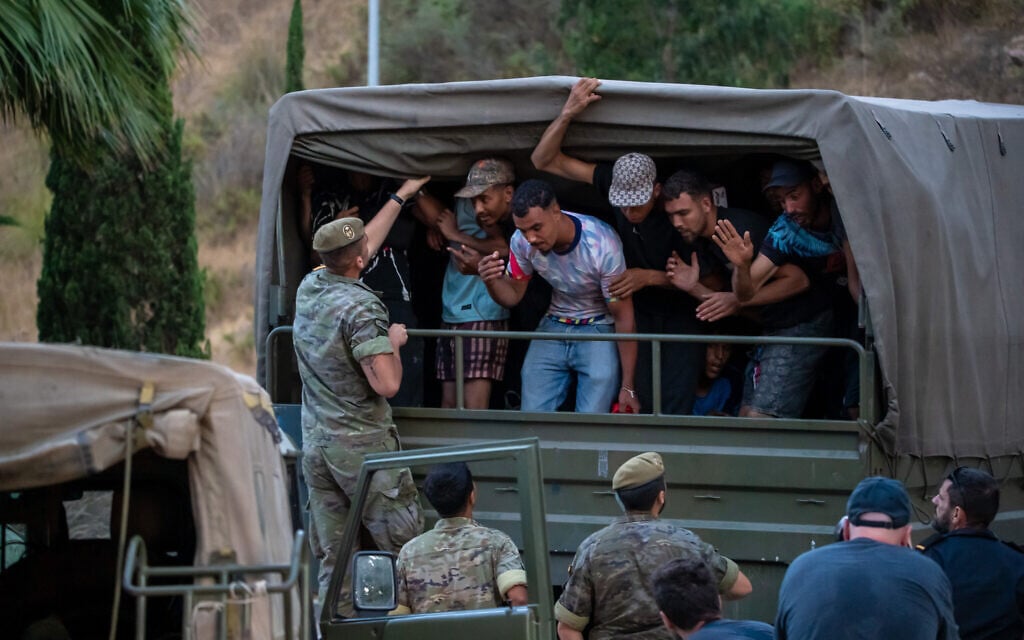
Morocco blames misinformation for Ceuta migrant rush; Israel conspiracy theories spread
Summarized and contextualized by DistantNews.
At a glance
News
Sources not specified
Context piece
- Morocco has blamed misinformation and human trafficking networks for a recent surge in migrants attempting to enter Ceuta.
- Separately, conspiracy theories alleging Israeli involvement in the crisis circulated widely on X, reaching over 100 million people.
- The Times of Israel reports on these dual issues, highlighting the role of false information in regional events.
Morocco is pointing fingers at both misinformation and organized human trafficking networks for the recent influx of migrants into the Spanish enclave of Ceuta. The Moroccan government suggests that false narratives and the actions of trafficking rings fueled the crisis, leading to a significant number of individuals attempting to cross the border.
In a separate but related issue concerning the spread of disinformation, a watchdog organization has identified baseless conspiracy theories alleging Israeli involvement in the Ceuta situation. These unfounded claims reportedly reached an audience of over 100 million people on the social media platform X, formerly known as Twitter. The proliferation of such theories highlights the challenges in combating fake news and its potential to inflame regional tensions.
The Times of Israel's report underscores the complex interplay of factors contributing to such events, including the deliberate spread of false information and organized criminal activity. The dual focus on Morocco's accusations and the reach of conspiracy theories illustrates the significant impact that misinformation can have on geopolitical events and public perception.
DistantNews Editorial
Originally published by Times of Israel. Summarized and contextualized by our editorial team with added local perspective. Read our editorial standards.
More Stories


From Our Blog

What Gets Lost (and Found) When News Is Translated

The Critical Role of Diaspora Media in Global News

What Travellers Should Know About Countries with Restricted Press

A Digital Nomad's Guide to Following Local News

How the Same Story Looks Different in Different Countries
