

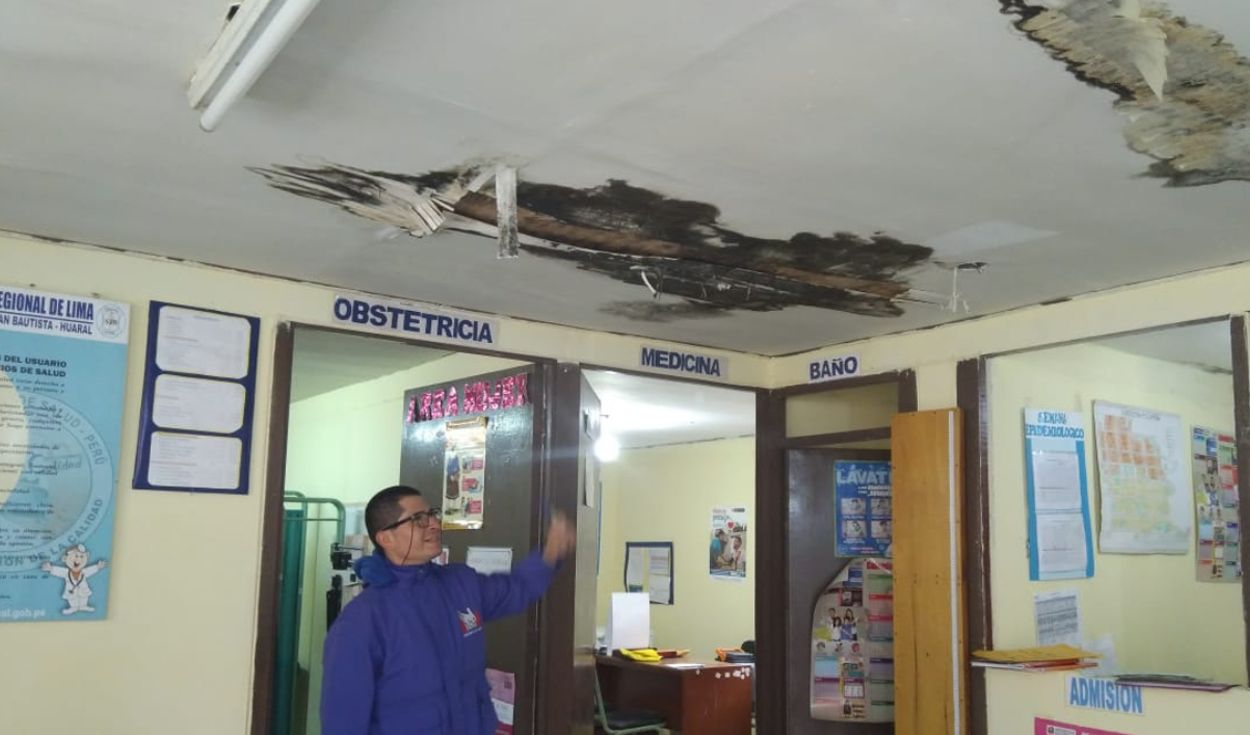

Mother and son die of dengue in Lambayeque as outbreak death toll reaches 11
Translated from Spanish and summarized by DistantNews. Read the original for the full story.
At a glance
News
Named sources
Ongoing story
- A 35-year-old woman and her 20-year-old son died of severe dengue in Lambayeque during the same week, bringing the region's 2026 death toll to 11.
- The son also tested positive for leptospirosis, while laboratory results for his mother remain pending.
- Lambayeque has recorded 3,676 confirmed dengue cases, including 159 in the victims' district of Lagunas-Mocupe.
A mother and her 20-year-old son died of severe dengue in Lambayeque during the same week, bringing the northern Peruvian region's death toll from the disease to 11 this year.
Both victims came from Lagunas-Mocupe and initially chose to self-medicate instead of seeking medical care. They reached hospitals in Chiclayo in serious condition, according to Rubén Eneque Namuche, coordinator for vector-borne and zoonotic diseases at the Lambayeque Regional Health Management office.
The son was transferred to the Almanzor Aguinaga hospital, run by EsSalud, with severe dengue. Peru's National Institute of Health later confirmed that he also had leptospirosis, an infection that can spread through contact with water or soil contaminated by the urine of infected animals. The mother was treated for severe dengue at Las Mercedes hospital, operated by the Health Ministry. Laboratory results are still pending to determine whether she also had leptospirosis.
Lagunas-Mocupe has recorded 159 dengue cases. Lambayeque has registered 3,676 confirmed cases since January, and most of the region's other nine dengue deaths involved adults from areas with significant outbreaks. A Lambayeque resident who contracted the disease in Rioja, in the San Martín region, is also included in the regional total.
Health authorities urged residents to let health brigades enter their homes to identify and remove containers where Aedes aegypti mosquitoes can breed. They also called for cooperation with fumigation efforts in outbreak areas and stressed that families must eliminate potential breeding sites inside and around their homes.
Both had initially decided not to go to a health center and chose to self-medicate. When they arrived at the hospitals in Chiclayo, they already had severe cases.
About this summary
Originally published by La República in Spanish. Translated, summarized, and contextualized automatically by DistantNews, with a note on how the source frames the story. Not individually reviewed before publishing. How this works.
More Stories

From Our Blog

News in Translation: What Gets Lost, and How We Keep the Framing

Diaspora Media: How Communities Abroad Follow Home

Traveling Where the Press Is Not Free: How to Read the News There

The Digital Nomad's Guide to Local News

The Same Story, Different Countries: How Coverage Changes at the Border
