

Napoleon's 1809 Proclamation to Hungary: A Bid for Independence
Translated from Hungarian, summarized and contextualized by DistantNews.
TLDR
- Napoleon Bonaparte issued the "Proclamation of Schönbrunn" on May 15, 1809, attempting to incite Hungarian nobility against the Habsburgs with promises of independence.
- The proclamation, co-authored in its Hungarian version by János Batsányi, appealed to Hungarian pride and historical grievances, suggesting French forces fought Austria, not Hungarians.
- Despite the strategic rhetoric, the proclamation had limited impact as many Hungarian elites distrusted Napoleon and feared French occupation, ultimately remaining a historical document.
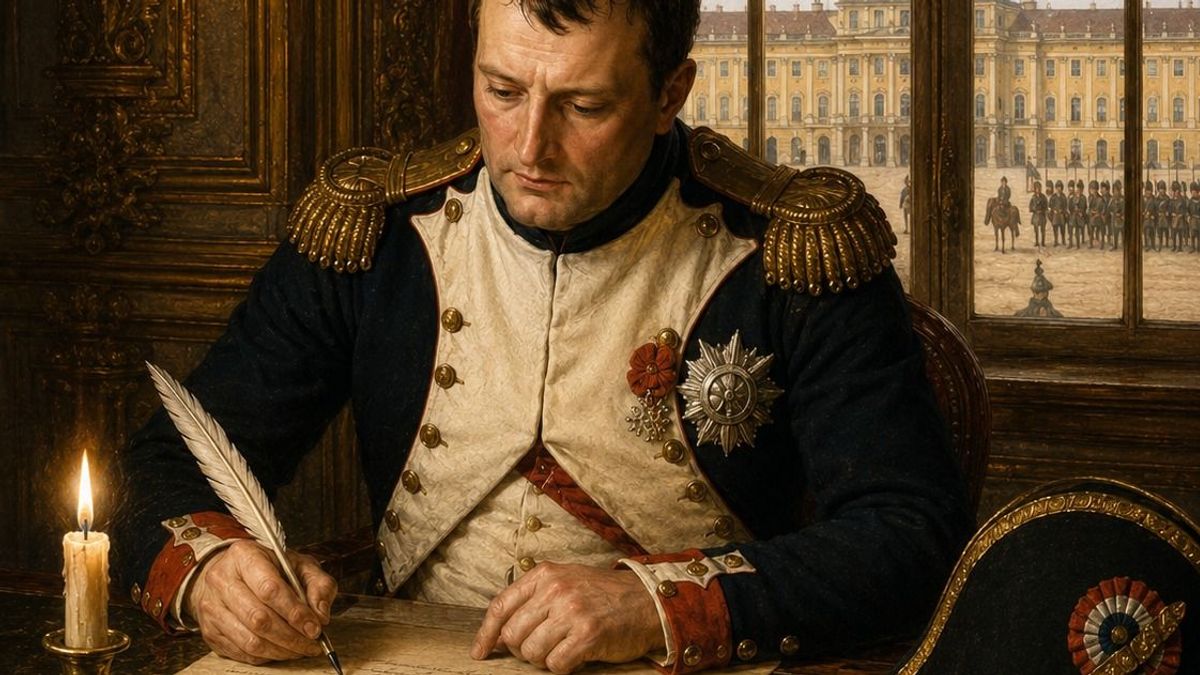
The "Proclamation of Schönbrunn," issued by Napoleon Bonaparte on May 15, 1809, remains a fascinating historical document, offering a unique glimpse into Napoleon's political maneuvering and Hungary's complex relationship with the Habsburg Empire during the Napoleonic Wars. Issued from Schönbrunn, the proclamation was a direct appeal to the Hungarian nobility, attempting to leverage their grievances against Austrian rule by promising independence.
From a Hungarian historical perspective, this proclamation is significant not just for its content but for its authorship and the context it provides. The involvement of János Batsányi, a prominent intellectual of the era, in crafting the Hungarian version underscores Napoleon's attempt to resonate with the Hungarian national consciousness. The text skillfully tapped into existing sentiments, highlighting how Hungarian resources were allegedly exploited for foreign interests and how Hungarian blood was shed in distant wars while the nation's own concerns were sidelined. This narrative resonated with the Hungarian tradition of estates' liberties and the burgeoning sense of national identity.
Napoleon's appeal was twofold: it invoked the defense of "estate freedoms" while simultaneously promoting the modern concept of national thought. He encouraged the Hungarians to break ties with the Habsburg dynasty, even suggesting they elect their own king, thereby harkening back to Hungary's historical statehood. This strategy aligned with the broader political transformations occurring in Europe at the time, where national aspirations were increasingly shaping political discourse.
However, the proclamation's impact was ultimately limited. The Hungarian elite, steeped in centuries of dynastic loyalty and wary of Napoleon's true intentions—often viewing him more as a conqueror than a liberator—remained largely unconvinced. Fears that French rule would dismantle the traditional social order played a crucial role in their reluctance. Thus, the Schönbrunn Proclamation stands as a testament to a moment when Napoleon sought to co-opt the Hungarian political system for his own ambitions, but the majority of Hungarian society ultimately chose a different path, preferring the familiar framework of the Habsburg monarchy over the uncertain promises of French intervention. This episode highlights Hungary's position at a crossroads of European power dynamics and its own evolving national consciousness.
DistantNews Editorial
Originally published by Magyar Nemzet in Hungarian. Translated, summarized, and contextualized by our editorial team with added local perspective. Read our editorial standards.
More Stories



From Our Blog

Countries Without a Free Press: What You Need to Know

What Press Freedom Means for the News You Read

What Gets Lost (and Found) When News Is Translated

The Critical Role of Diaspora Media in Global News

What Travellers Should Know About Countries with Restricted Press
