


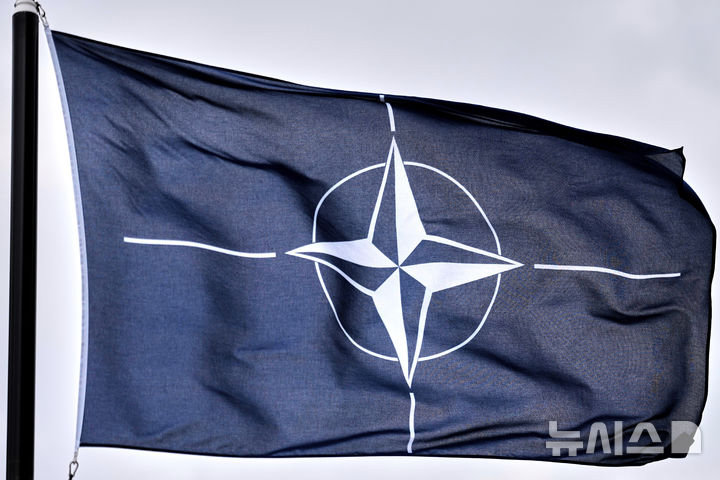
NATO proposes 'space alliance' to South Korea and 3 other countries; Japan considers positively
Translated from Korean, summarized and contextualized by DistantNews.
TLDR
- NATO has proposed a "Star Shield" initiative, a space alliance, to South Korea, Japan, Australia, and New Zealand.
- The plan aims to enhance cooperation in satellite launch bases and ensure rapid recovery of information gathering capabilities in case of satellite destruction.
- Japan is positively considering the proposal, while South Korea is also accelerating defense cooperation with NATO, though China and Russia's reactions are potential variables.
The North Atlantic Treaty Organization (NATO) is extending its strategic reach into the Asia-Pacific, proposing a significant "space alliance" initiative, dubbed "Star Shield," to key regional partners including South Korea, Japan, Australia, and New Zealand. This ambitious plan, conceived in 2024 as a countermeasure against potential satellite attacks from China and Russia, currently involves 15 member nations. NATO's outreach to these four countries signifies a strategic effort to broaden its "space alliance" capabilities and bolster collective security in an increasingly contested domain.
The core objective of the "Star Shield" initiative is to establish a robust framework for cooperation, particularly in sharing satellite launch bases and ensuring the swift restoration of vital information-gathering capabilities should allied satellites be compromised or destroyed. This collaborative approach aims to mitigate the risks associated with potential disruptions to military and communication activities caused by attacks on space assets. Japan, according to Nikkei, is reportedly reviewing NATO's proposal favorably, recognizing the dual benefits of enhanced intelligence access through allies and potential economic stimulus from shared launch facilities.
For South Korea, this proposal comes at a time when it is actively accelerating defense cooperation with NATO across various sectors, including space. While the prospect of joining such an alliance is significant, potential pushback from China and Russia remains a considerable variable. The article also touches upon a related issue: the US State Department's strong criticism of Taiwan's legislative decision to significantly cut its defense budget. The US views this reduction as a concession to the Chinese Communist Party, highlighting the complex geopolitical landscape in which these defense initiatives are being considered. From a South Korean perspective, participation in "Star Shield" could offer enhanced deterrence and technological advancement, but navigating the delicate balance of regional power dynamics, particularly concerning China's influence, will be paramount.
DistantNews Editorial
Originally published by Dong-A Ilbo in Korean. Translated, summarized, and contextualized by our editorial team with added local perspective. Read our editorial standards.
More Stories


From Our Blog

What Gets Lost (and Found) When News Is Translated

The Critical Role of Diaspora Media in Global News

What Travellers Should Know About Countries with Restricted Press

A Digital Nomad's Guide to Following Local News

How the Same Story Looks Different in Different Countries
