

NATO Seeks Clarity as US Plans 5,000 Troop Withdrawal From Germany Amid Transatlantic Rift
Translated from English, summarized and contextualized by DistantNews.
TLDR
- NATO is seeking clarification from the US regarding its decision to withdraw approximately 5,000 troops from Germany.
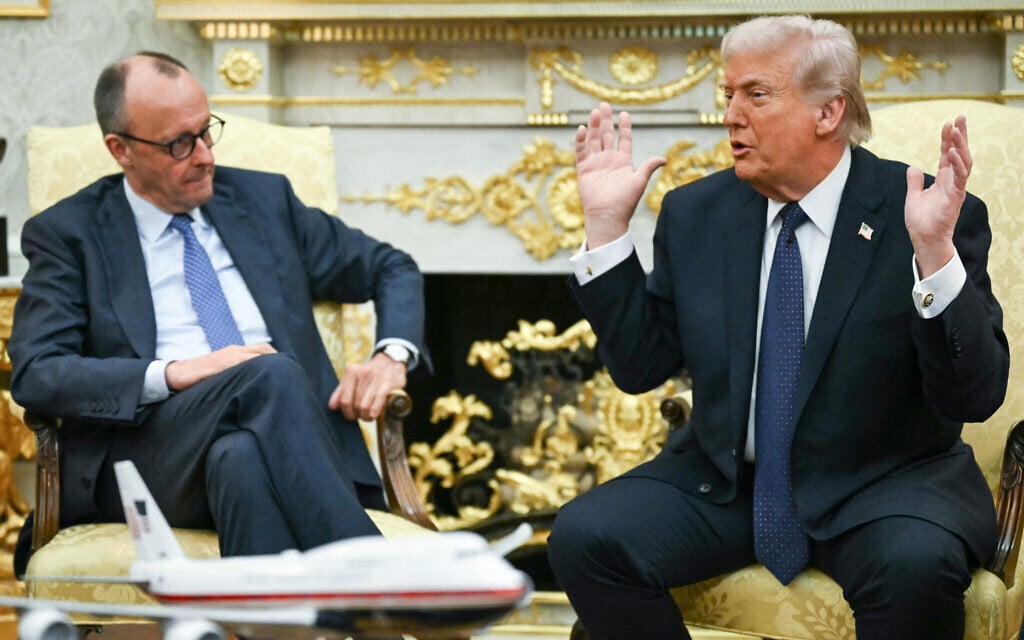
- The withdrawal, expected within six to twelve months, follows a dispute between President Trump and German Chancellor Friedrich Merz and coincides with increased tariffs on EU cars.
- This move highlights the need for Europe to increase its defense spending and take greater responsibility for its security, according to NATO officials.
From Washington's perspective, the decision to withdraw 5,000 troops from Germany is presented as a strategic adjustment, a response to evolving theater requirements and conditions on the ground. The Pentagon, through spokesman Sean Parnell, framed it as a thorough review of the Department's force posture in Europe. This aligns with President Trump's long-standing calls for European allies to shoulder more of their defense burden, rather than relying on American support. The move also appears to be a punitive measure against allies perceived as not sufficiently backing the US in the Middle East conflict or contributing to peacekeeping efforts in the Strait of Hormuz.
this decision follows a thorough review of the Department’s force posture in Europe and is in recognition of theater requirements and conditions on the ground.
German officials, while acknowledging the withdrawal, framed it as somewhat expected. Defense Minister Boris Pistorius indicated that such a move was anticipated. NATO, in turn, is working to understand the specifics but has used the occasion to reiterate the need for Europe to enhance its own defense capabilities and take greater ownership of shared security. This reflects a broader NATO strategy of burden-sharing, though the immediate trigger appears to be a bilateral dispute and trade disagreements.
This adjustment underscores the need for Europe to continue to invest more in defense and take on a greater share of the responsibility for our shared security.
The article, sourced from AFP and published by Times of Israel, presents the situation with a focus on the diplomatic and strategic implications. While the US cites operational reviews, the underlying tensions related to the Middle East war and trade disputes are evident. The narrative emphasizes the potential for a deepening rift in transatlantic ties, a theme that resonates with the source's likely audience, which may be more attuned to geopolitical shifts and the implications for Israel's security. The inclusion of Trump's direct criticisms of Italy and Spain further underscores the transactional nature of these alliances from the US perspective.
Trump has made a number of threats to slash US troop numbers in Germany and other European allies during both his terms in office, saying he wants Europe to take on greater responsibility for its defense rather than depending on Washington.
DistantNews Editorial
Originally published by Times of Israel in English. Translated, summarized, and contextualized by our editorial team with added local perspective. Read our editorial standards.
More Stories


From Our Blog

What Gets Lost (and Found) When News Is Translated

The Critical Role of Diaspora Media in Global News

What Travellers Should Know About Countries with Restricted Press

A Digital Nomad's Guide to Following Local News

How the Same Story Looks Different in Different Countries
