

Nearly 200,000 forcibly deported to Haiti in 8 months, UN reports
Translated from English and summarized by DistantNews. Read the original for the full story.
At a glance
News
Named sources
Ongoing story
- Nearly 200,000 people were forcibly returned to Haiti in the first eight months of 2026, according to an emergency UN Security Council meeting.
- This influx of deportees comes amid surging gang violence and a lack of resources in Haiti, with activists warning the country is too dangerous.
- The UN also reported that nearly 1.5 million people are internally displaced in Haiti, and the Security Council is set to vote on renewing the mandate for a multinational Gang Suppression Force.
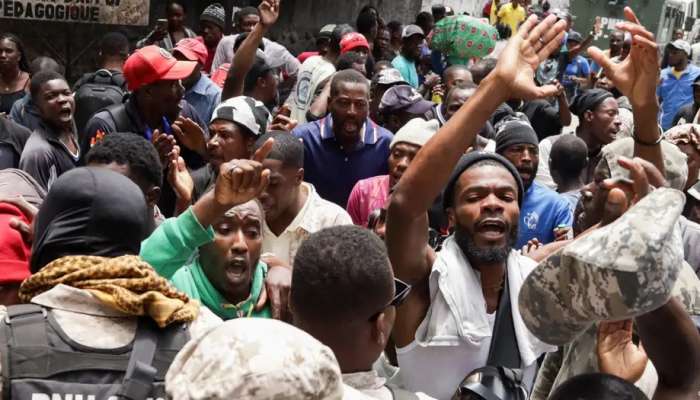
Haiti received nearly 200,000 forcibly deported individuals during the first eight months of 2026, an emergency meeting of the United Nations Security Council was informed on Friday. This stark figure emerged just days after a violent gang attack near the capital, Port-au-Prince, resulted in 47 deaths.
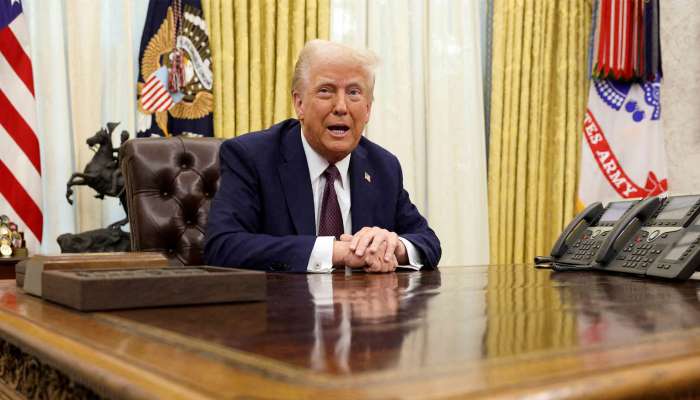
The deportations, including the first US deportation flight after the Trump administration won a legal case affecting Temporary Protected Status for Haitians, are occurring while the nation grapples with escalating gang violence. Activists have expressed grave concerns, cautioning that Haiti's current instability and lack of resources make it too dangerous for returnees.
The latest attack on Kenscoff is yet another grim reminder of the suffering Haitians face every day.
Indrika Ratwatte, acting UN Assistant Secretary-General for Humanitarian Affairs, told the Security Council that forcible deportations to Haiti in 2026 were 10% higher compared to the same period last year. Compounding the crisis, nearly 1.5 million of Haiti's almost 12 million population are internally displaced, with half of them being children. Ratwatte described the conditions in many displacement sites as "squalid," noting that internal displacement has doubled in just two years.
During the meeting, Haiti urged the international community to accelerate the deployment of the UN-mandated Gang Suppression Force (GSF), authorized in 2025 to combat gang violence. The GSF aims to reach a capacity of 5,500 troops. The Security Council is scheduled to vote on renewing its mandate next month. US representative Jennifer Locetta stressed the importance of the GSF's mission and urged member nations to provide material support to aid police in fighting gangs more effectively. Haiti's representative also called for stronger enforcement of the UNSC's arms embargo to curb the flow of weapons and ammunition, which has been fueling the armed gangs.
The GSF was not created to issue statements from within a compound wall or spend our money while Haiti suffers.
About this summary
Originally published by Times of Oman in English. Translated, summarized, and contextualized automatically by DistantNews, with a note on how the source frames the story. Not individually reviewed before publishing. How this works.
More Stories
From Our Blog

What Gets Lost (and Found) When News Is Translated

The Critical Role of Diaspora Media in Global News

What Travellers Should Know About Countries with Restricted Press

A Digital Nomad's Guide to Following Local News

How the Same Story Looks Different in Different Countries
