


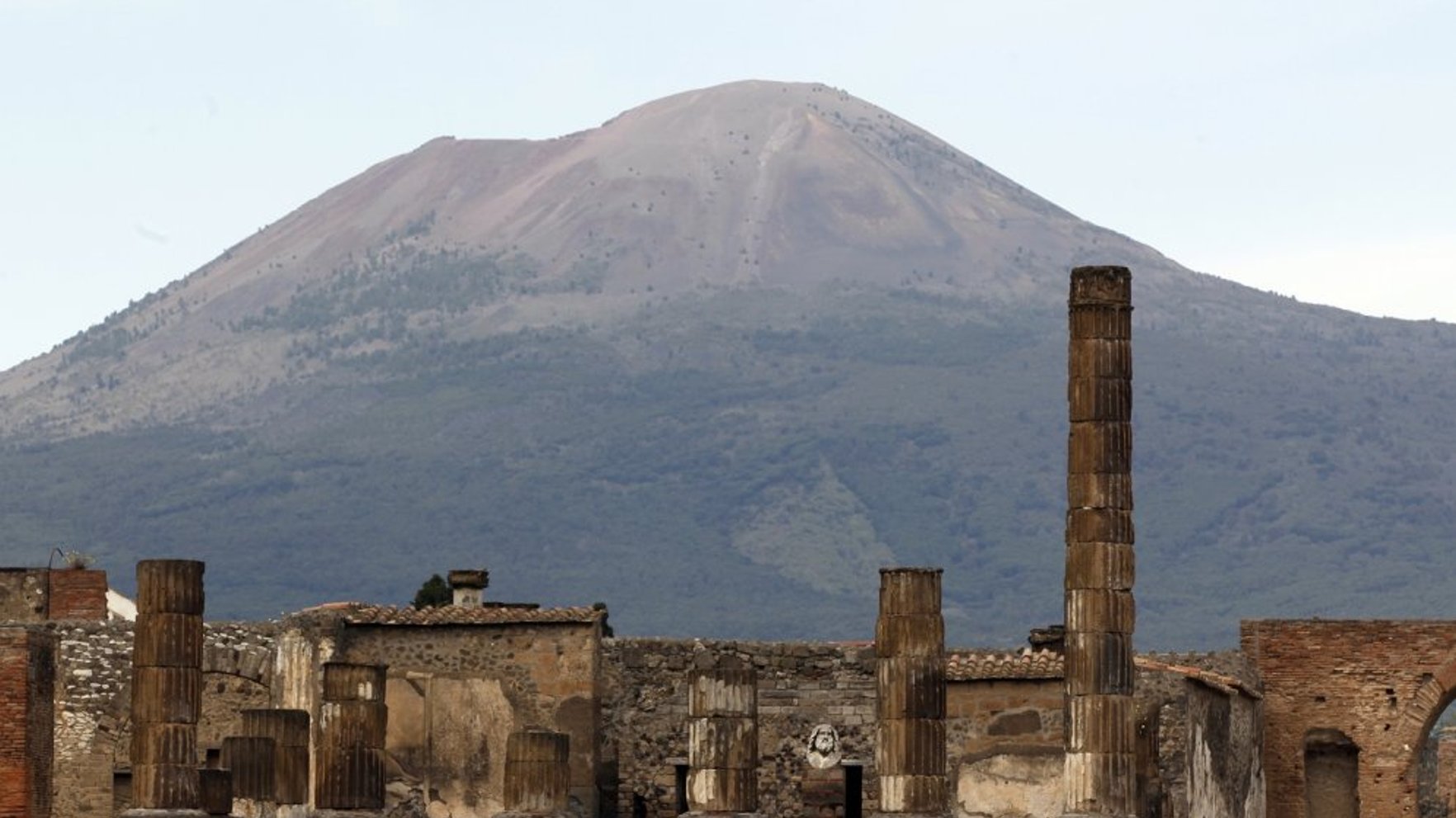
Neighborly quarrels and love letters in ancient graffiti – archaeologist reveals lesser-known history of Pompeii to 'Delfi'
Translated from Latvian, summarized and contextualized by DistantNews.
At a glance
In-depth
Named sources
Context piece
- An archaeologist discussed the lesser-known history of Pompeii, revealing insights from graffiti and daily life.
- Pompeii, buried by Mount Vesuvius in 79 AD, is often portrayed as a city frozen in time.
- Archaeologist Caite Barrett studies residential buildings and the everyday lives of their inhabitants, offering a different perspective on the ancient city.
Pompeii, the ancient Roman city famously buried by the eruption of Mount Vesuvius in 79 AD, is often depicted as a perfectly preserved snapshot of Roman life. However, archaeologist Caite Barrett offers a more nuanced view, suggesting the city was far from static. Barrett, who specializes in the residential buildings of Pompeii, shared insights into the daily lives of its inhabitants, moving beyond the common perception of a city frozen in time.
Barrett's research delves into the intimate details of Pompeii's residents, examining their homes, personal belongings, and the messages they left behind. The walls of Pompeii bear witness to the city's vibrant social fabric, adorned with graffiti that reveals everything from neighborly disputes to declarations of love. These inscriptions provide a unique window into the personal relationships, concerns, and even the gossip of ordinary people living nearly two millennia ago.
Through the study of these domestic spaces and the personal marks left on them, Barrett aims to uncover the less-publicized aspects of Pompeian society. This approach challenges the monolithic image of Pompeii, highlighting the dynamic and complex lives of its people. The findings underscore that even in antiquity, cities were places of constant interaction, personal expression, and the everyday dramas that define human communities.
What Pompeii is really like is a city that was lived in, and people were interacting with each other, and they were writing on the walls.
DistantNews Editorial
Originally published by Delfi Latvia in Latvian. Translated, summarized, and contextualized by our editorial team with added local perspective. Read our editorial standards.
More Stories


From Our Blog

What Gets Lost (and Found) When News Is Translated

The Critical Role of Diaspora Media in Global News

What Travellers Should Know About Countries with Restricted Press

A Digital Nomad's Guide to Following Local News

How the Same Story Looks Different in Different Countries
