



Nepal floods: 5 Japanese tourists missing amid rising death toll
Translated from Korean and summarized by DistantNews. Read the original for the full story.
At a glance
News
From a news agency
Ongoing story
- A major flood in Nepal's central Himalayan region has killed at least 157 people, with five Japanese tourists reported missing.
- The disaster, initially attributed to a landslide, has been reclassified as a magnitude 5.2 ice collapse event by the USGS.
- Nepal's Ministry of Tourism reports 403 tourists are missing, including 341 foreigners, with Indian nationals being the largest group.
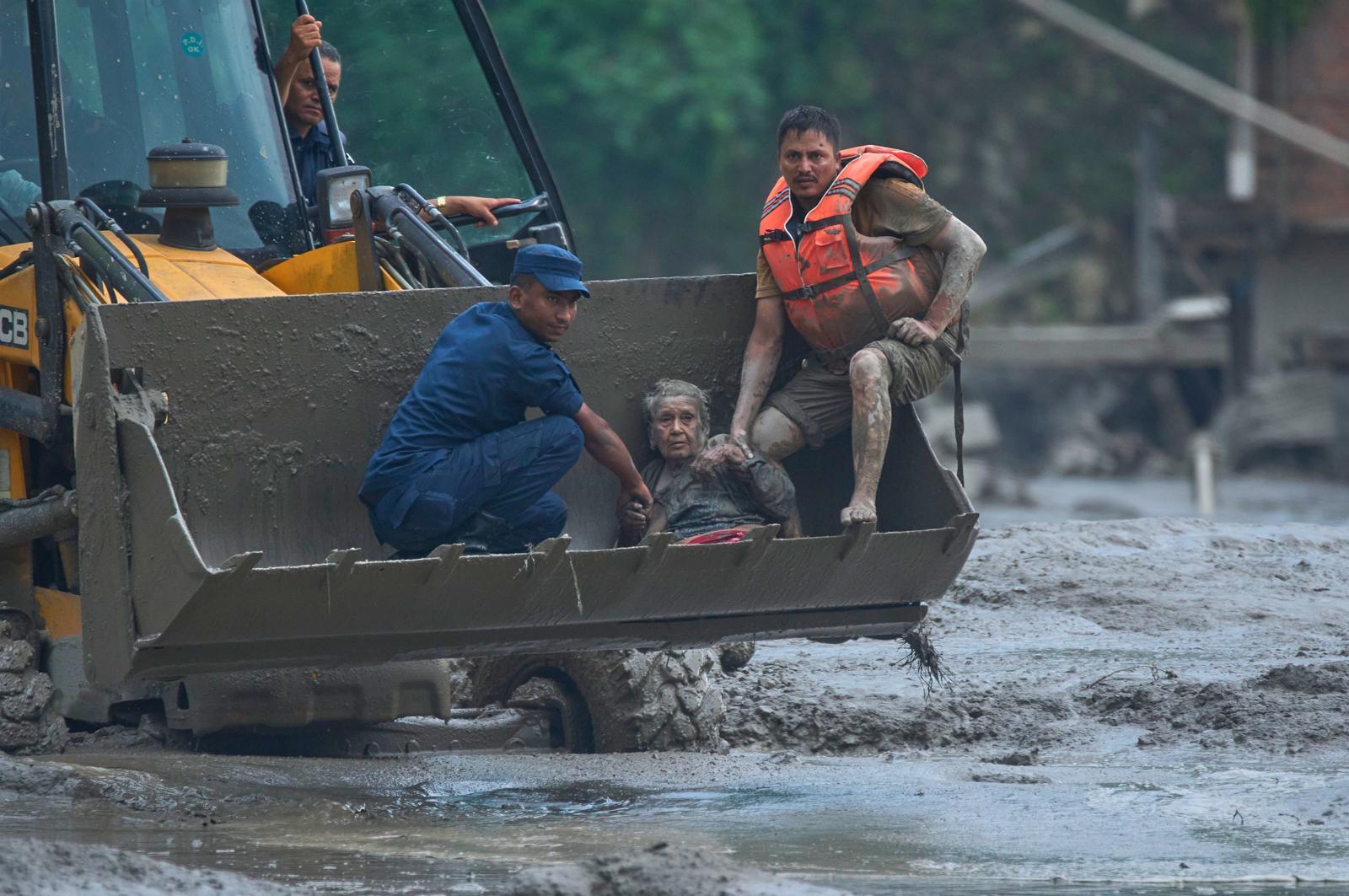
A devastating flood in Nepal's central Himalayan region has claimed at least 157 lives, with fears growing for five Japanese tourists who have lost contact. The Japanese Embassy in Nepal confirmed the missing persons and has requested search and rescue operations from Nepalese authorities.
The disaster struck suddenly, with initial reports suggesting a landslide. However, the U.S. Geological Survey (USGS) has since reclassified the event as a magnitude 5.2 ice collapse, highlighting the unpredictable nature of the mountainous terrain. The exact scale of the human toll is still being determined, complicated by the remote and rugged location of the affected areas.
Nepalese authorities report that 403 tourists are currently missing, a figure that includes 341 foreign nationals. Among the missing, Indian citizens are the most numerous, with 133 unaccounted for. Japanese, American, and Australian nationals are also among those whose whereabouts are unknown, underscoring the international impact of this tragedy.
We have lost contact with five Japanese nationals who appear to have been participating in tours in the area. We have requested search and rescue from the Nepalese authorities and will continue to respond from the perspective of protecting our citizens.
About this summary
Originally published by Hankyoreh in Korean. Translated, summarized, and contextualized automatically by DistantNews, with a note on how the source frames the story. Not individually reviewed before publishing. How this works.
More Stories


From Our Blog

What Gets Lost (and Found) When News Is Translated

The Critical Role of Diaspora Media in Global News

What Travellers Should Know About Countries with Restricted Press

A Digital Nomad's Guide to Following Local News

How the Same Story Looks Different in Different Countries
