


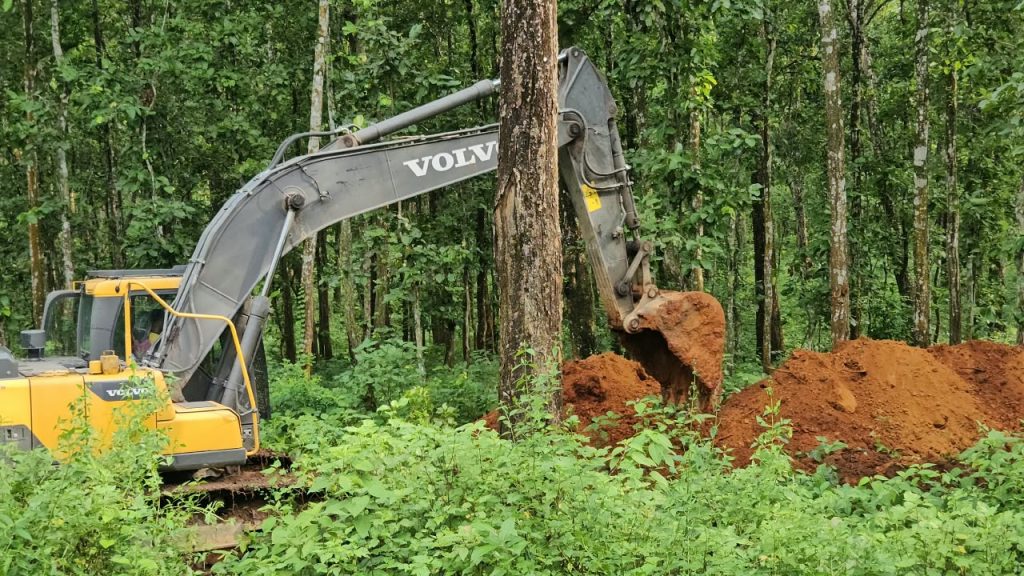
Nepal grapples with storing flood victims' bodies, opts for temporary burials
Translated from English and summarized by DistantNews. Read the original for the full story.
At a glance
News
Named sources
Ongoing story
- Nepal faces a critical challenge in storing the bodies of over 600 flood victims, with most remaining unidentified due to overwhelming numbers and logistical difficulties.
- Overwhelmed morgues and refrigerated storage facilities have led authorities to opt for temporary burials as a preservation measure to prevent health risks.
- The government is working to identify the deceased and plans to hand them over to families, while addressing concerns about preserving identities and potential future claims.
Nepal is confronting a grim logistical challenge in the aftermath of devastating floods in Rasuwa's Bhotekoshi River, which have claimed over 600 lives. A significant number of the recovered bodies remain unidentified, presenting authorities with a pressing need for storage solutions that current facilities cannot meet.
The sheer volume of recovered bodies has overwhelmed Nepal's morgues and refrigerated storage. Government and private health institutions have a combined capacity for approximately 600 bodies, but this is insufficient, especially as bodies are dispersed across multiple districts. In Chitwan alone, health facilities can store only about 50 bodies, and even this capacity is strained. Authorities cite a lack of time and infrastructure to immediately establish additional cold-storage facilities or temporary morgues.
The bodies have started decomposing. As decomposition progresses, the smell is spreading. We are burying them to prevent the risk of epidemics and infection.
As a last resort, the government has decided to temporarily bury unidentified bodies. This measure is crucial to prevent the spread of foul odors, infection, and public health problems associated with decomposition, which has already begun in some cases. Police Inspector Anil Thapa noted that the smell is spreading, affecting nearby hospitals and residents.
This temporary burial strategy aims to preserve the bodies until they can be identified and claimed by their families. Officials and forensic experts are working to manage the process, addressing how identities will be preserved and what procedures will be followed if relatives come forward later. The immediate priority is to mitigate public health risks while awaiting identification and proper arrangements.
According to him, the smell has begun spreading up to 1.5 to two kilometres from some locations where bodies are being kept, affecting patients at nearby hospitals as well as local residents.
About this summary
Originally published by OnlineKhabar English in English. Translated, summarized, and contextualized automatically by DistantNews, with a note on how the source frames the story. Not individually reviewed before publishing. How this works.
More Stories


From Our Blog

What Gets Lost (and Found) When News Is Translated

The Critical Role of Diaspora Media in Global News

What Travellers Should Know About Countries with Restricted Press

A Digital Nomad's Guide to Following Local News

How the Same Story Looks Different in Different Countries
