


Nepal parties urge joint China study on glacial lake risks after floods
Translated from English and summarized by DistantNews. Read the original for the full story.
At a glance
News
Sources not specified
Ongoing story
- Eight political parties in Nepal have called for a joint scientific and technical mechanism with China to assess and mitigate risks from glacial lakes along their shared border.
- The parties also agreed to establish a parliamentary oversight body for reconstruction efforts and long-term disaster risk management.
- They urged for an improved early warning system between Nepal and China, including real-time data sharing on cross-border rivers to alert downstream communities.
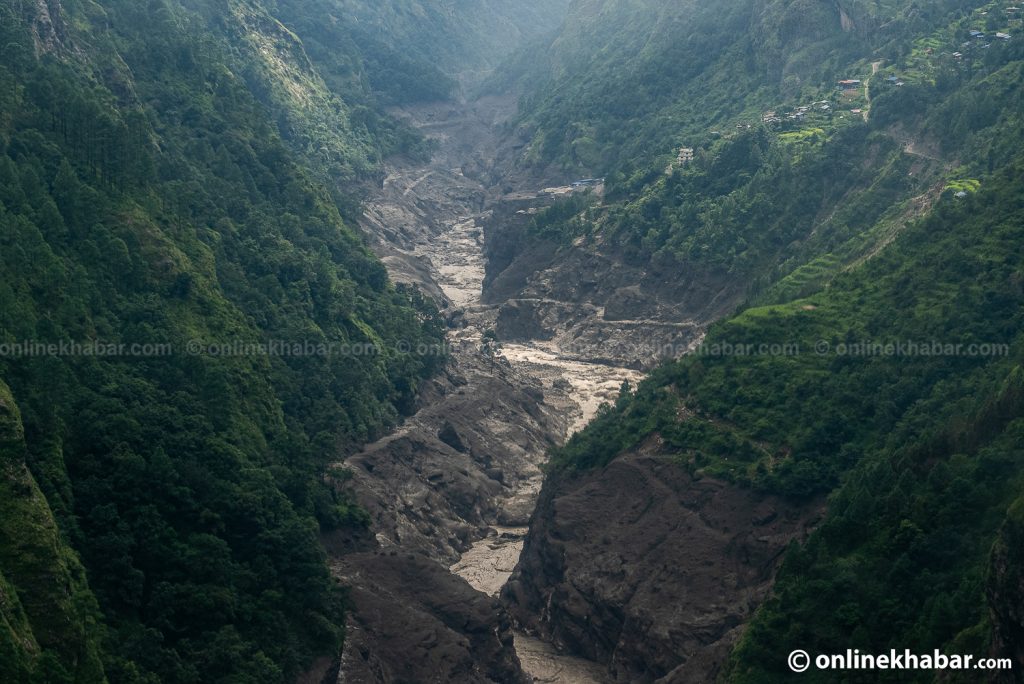
Following devastating floods along the Bhotekoshi River, eight political parties in Nepal have urged the government to initiate talks with China. The goal is to establish a joint scientific and technical mechanism to assess and reduce the risks posed by glacial lakes situated along their shared border.
Climate change is increasing the risk of glacial lakes in Nepal’s mountain regions and Tibet bursting or overflowing.
At an all-party meeting, participants also agreed on the necessity of creating a parliamentary mechanism. This body will oversee reconstruction in flood-affected areas and address longer-term disaster risks, including climate adaptation and national disaster policy. The parties emphasized that disaster management should extend beyond immediate relief to encompass preparedness and resilience.
Concerns were raised about the increasing frequency of such flooding events, attributed to climate change intensifying the risk of glacial lakes in China's Tibet region and Nepal's mountains bursting or overflowing. The parties called for immediate scientific study and mapping of high-risk glacial lakes in Nepal. They also stressed the importance of high-level diplomatic engagement with China to create a cross-border risk assessment and mitigation framework.
Such a system should alert downstream communities as soon as unusual activity is detected upstream, allowing authorities to move people to safety.
Furthermore, the establishment of a robust early warning system between Nepal and China was deemed crucial. This system would involve real-time data sharing on cross-border river systems to provide timely alerts to downstream communities, enabling evacuations. The parties also appealed to the international community for humanitarian, technical, and financial assistance for the ongoing recovery and reconstruction efforts.
Disaster management should not be limited to immediate relief and emergency response, but should also focus on long-term solutions, disaster preparedness and resilience.
About this summary
Originally published by Kathmandu Post in English. Translated, summarized, and contextualized automatically by DistantNews, with a note on how the source frames the story. Not individually reviewed before publishing. How this works.
More Stories


From Our Blog

What Gets Lost (and Found) When News Is Translated

The Critical Role of Diaspora Media in Global News

What Travellers Should Know About Countries with Restricted Press

A Digital Nomad's Guide to Following Local News

How the Same Story Looks Different in Different Countries
