


Nepal relies on its geography to lure visitors. It can do far more
Summarized and contextualized by DistantNews.
At a glance
Analysis
Sources not specified
Context piece
- Nepal has historically relied on its geography and spiritual heritage to attract visitors, a passive approach that leaves it vulnerable to external valuation.
- Integrating tourism, trade logistics, and connectivity into a unified national framework, with a focus on regional partnerships, is key to leveraging its position.
- Poor coordination between ministries and a lack of a single accountability mechanism hinder the effective implementation of tourism and trade strategies.
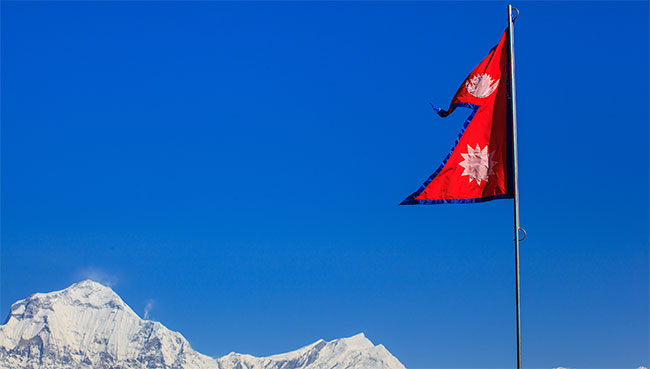
Nepal's long-standing strategy of defining itself through its mountains and spiritual heritage has been passive, leaving the nation reliant on how others perceive these attributes. Experts argue it's time for Nepal to actively manage and leverage the conditions that attract visitors, focusing on who arrives, from where, and for what purpose.
A crucial element of this transformation involves unifying tourism, trade logistics, and connectivity into a cohesive national framework. This approach extends beyond standard bilateral agreements to analyze Nepal's potential offerings for its neighbors, such as India, Bangladesh, and Bhutan. For instance, Nepal's airports could serve as vital transit hubs for routes like Bangladesh to Bhutan, generating traffic, revenue, and diplomatic capital through negotiated exchanges.
This proactive model is exemplified by smaller economies like Singapore, which built its identity as a reliable regional connector, and the UAE, which transformed Dubai into a global transit hub through strategic infrastructure investment and air service negotiations. Nepal needs to adopt a similar mindset, understanding that connectivity is not a byproduct of development but a deliberate deal.
Expanding air connectivity beyond Kathmandu and utilizing provincial airports for international charter or regional flights, tied to specific circuits like pilgrimage or trekking seasons, requires negotiation with foreign carriers and governments. However, Nepal's progress is consistently hampered by institutional problems, specifically poor coordination among ministries responsible for tourism, commerce, civil aviation, and infrastructure. The absence of a single mechanism to hold these disparate parts accountable to shared timelines stalls projects despite good intentions and numerous master plans.
DistantNews Editorial
Originally published by Kathmandu Post. Summarized and contextualized by our editorial team with added local perspective. Read our editorial standards.
More Stories

From Our Blog

What Gets Lost (and Found) When News Is Translated

The Critical Role of Diaspora Media in Global News

What Travellers Should Know About Countries with Restricted Press

A Digital Nomad's Guide to Following Local News

How the Same Story Looks Different in Different Countries
