


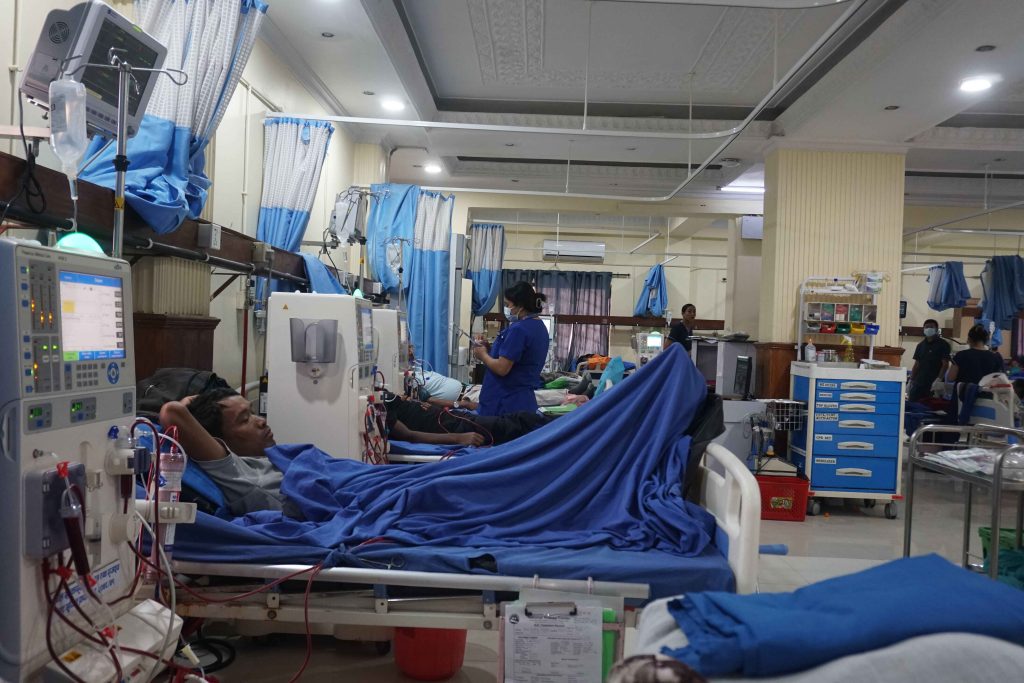
Nepal’s migrant workers are returning home with failing kidneys
Summarized and contextualized by DistantNews.
TLDR
- Nepali migrant workers are returning home with serious kidney problems, with 28 added to the National Kidney Centre's dialysis list this year alone.
- Many workers endure long hours, extreme heat, and inadequate hydration, contributing to kidney failure.
- Remittances from these workers are vital to Nepal's economy, accounting for over a quarter of the GDP, but come at a significant personal health cost.
Online Khabar English sheds a critical light on the devastating health consequences faced by Nepali migrant workers, a group whose labor is essential to the nation's economy. The article details the alarming rise in kidney failure among these individuals, highlighting the personal toll behind the remittances that prop up Nepal's GDP. Dhan Bahadur Gurung's story, working 16-hour days in Saudi Arabia for meager pay, enduring grueling conditions and relying on energy drinks instead of water, is a stark illustration of the sacrifices made. From a Nepali perspective, this is not just a health crisis; it's an indictment of the exploitative labor conditions many face abroad and a tragic irony that those who work to lift their families out of poverty return with health issues that threaten their future. The article points to factors like extreme heat, dehydration, excessive meat consumption, and lack of rest as key contributors to kidney damage. While international coverage might focus on the economic benefits of remittances, a Nepali viewpoint must confront the human cost, the physical deterioration of its citizens, and the systemic issues that lead to such outcomes. The piece underscores the urgent need for better worker protections and support systems for those returning with debilitating health conditions.
At that point, I did not realise I had come home with an incurable disease.
DistantNews Editorial
Originally published by OnlineKhabar English. Summarized and contextualized by our editorial team with added local perspective. Read our editorial standards.
More Stories


From Our Blog

What Gets Lost (and Found) When News Is Translated

The Critical Role of Diaspora Media in Global News

What Travellers Should Know About Countries with Restricted Press

A Digital Nomad's Guide to Following Local News

How the Same Story Looks Different in Different Countries
