


Nepal’s political parties urge unity as criticism mounts over Bhotekoshi flood rescue
Translated from English and summarized by DistantNews. Read the original for the full story.
At a glance
News
Named sources
Ongoing story
- Nepal’s political parties called for a unified national response to flooding along the Bhotekoshi-Trishuli river system.
- Opposition lawmakers criticised delays in seeking technology and outside expertise to rescue people believed trapped in hydropower tunnels.
- The government is also presenting the disaster as a climate issue and warning that inaccurate reports could harm tourism in unaffected parts of Nepal.
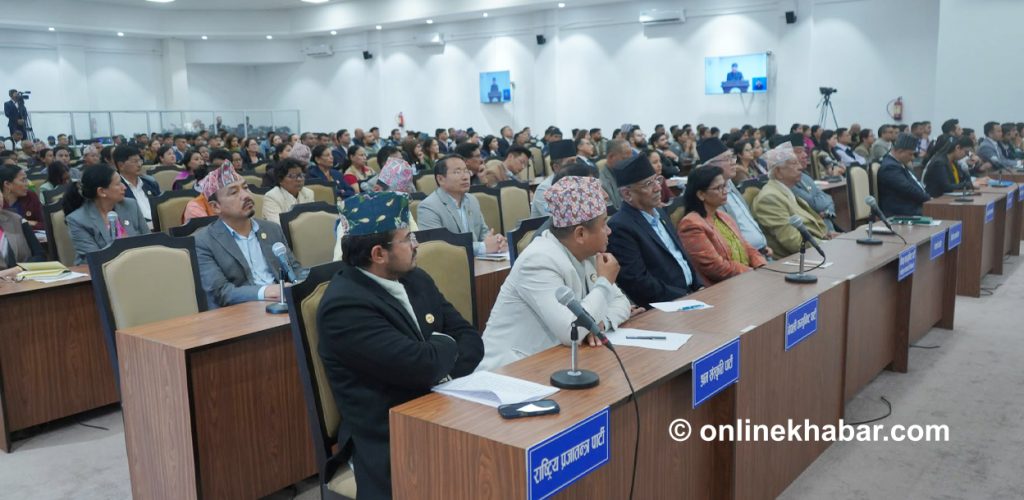
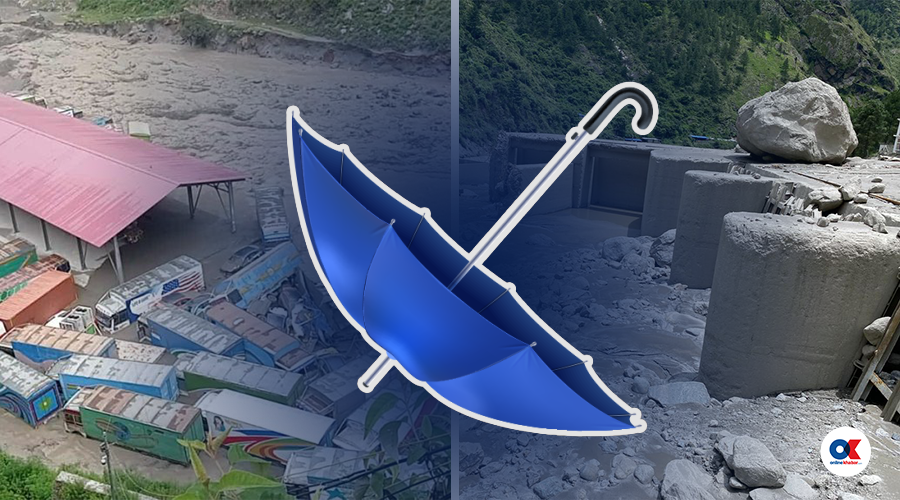
Nepal’s political parties have called for a broad national mobilisation after the Bhotekoshi floods, as opposition leaders accused the government of moving too slowly to rescue people believed trapped inside hydropower tunnels.
Speaking in the House on Wednesday, Nepali Communist Party coordinator and former prime minister Pushpa Kamal Dahal said security forces alone could not manage the scale of the disaster. “All levels of government, elected representatives, civil society and the public must be mobilised to confront the Bhotekoshi disaster,” he said.
All levels of government, elected representatives, civil society and the public must be mobilised to confront the Bhotekoshi disaster.
Dahal urged the government to address shortcomings in the search and rescue operation and focus on relief, immediate resettlement and long-term reconstruction. He also called for Nepal to strengthen its campaign for climate justice, saying climate change was increasing risks in the Himalayan region.
Bhishma Raj Angdembe, parliamentary leader of the opposition Nepali Congress, said the government should have brought in the necessary technology and expertise sooner. “Delays in the search and rescue of citizens trapped inside tunnels are inhumane and serious,” he said, arguing that the first 72 hours were critical and that private and international specialists should have been contacted immediately.
Delays in the search and rescue of citizens trapped inside tunnels are inhumane and serious.
The criticism followed Prime Minister Balendra Shah’s statement that Nepal lacked the technology for the rescue and that comparable expertise was not readily available elsewhere. Angdembe pointed to the international search-and-rescue teams that reached Nepal within hours of the 2015 earthquake, and accused the government of paying too much attention to publicity and social media while operations lagged. “This is not a time for publicity. It is a time to save lives,” he said.
Angdembe nevertheless said the Nepali Congress stood with the government on rescue, relief and recovery. Ruling Rastriya Swatantra Party deputy parliamentary leader Ganesh Parajuli urged officials and media to distinguish affected areas from the rest of Nepal, warning that broad portrayals of the country as unsafe could damage tourism. The government has begun consulting climate experts on the floods and their wider implications.
This is not a time for publicity. It is a time to save lives.
About this summary
Originally published by Kathmandu Post in English. Translated, summarized, and contextualized automatically by DistantNews, with a note on how the source frames the story. Not individually reviewed before publishing. How this works.
More Stories

From Our Blog

What Gets Lost (and Found) When News Is Translated

The Critical Role of Diaspora Media in Global News

What Travellers Should Know About Countries with Restricted Press

A Digital Nomad's Guide to Following Local News

How the Same Story Looks Different in Different Countries
