


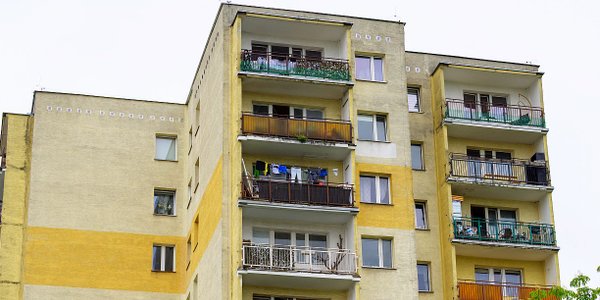
New Building Regulations in Poland to Enhance Acoustics and Energy Efficiency from September 2026
Translated from Polish, summarized and contextualized by DistantNews.
At a glance
News
Sources not specified
New plan
- New technical regulations for buildings in Poland will take effect in September 2026, impacting new constructions and renovations.
- Key changes include stricter acoustic insulation requirements to reduce noise between units and improved fire safety materials.
- The regulations also mandate photovoltaic installations in certain buildings by late 2026 and in residential buildings by 2029, and specify requirements for elevators and fencing.
Poland is set to implement new technical regulations for buildings starting in September 2026, aiming to enhance safety, energy efficiency, and accessibility. These changes will primarily affect new construction projects and major renovations, not existing structures unless they undergo significant modernization.
A significant focus of the new rules is on acoustic insulation. Multi-family buildings, semi-detached houses, terraced housing, and duplexes must be constructed to ensure noise levels are not bothersome to occupants or neighbors. This will likely necessitate thicker walls, floors, and partitions between units, meeting acoustic class AQ standards. Additionally, there will be a greater emphasis on materials that limit fire spread, such as mineral wool.
Furthermore, by the end of 2026, selected public utility, collective housing, and commercial buildings over 250 square meters will be required to have photovoltaic installations, provided it is technically feasible and cost-effective. This mandate will extend to residential buildings and adjacent covered parking areas by December 31, 2029. Elevators will become mandatory in public utility and collective housing buildings with at least two floors, and in multi-family residential buildings with three or more floors. The minimum distance for multi-family buildings over four stories from the property line will also be reduced from 5 to 4 meters, provided the wall facing the boundary has no windows or doors.
Changes are also being introduced for fences, gates, and wickets. Fences equipped with sharp elements, barbed wire, or similar materials will only be permitted at a height of no less than 2.2 meters, an increase from the current 1.8 meters, to reduce the risk of injury to pedestrians and animals. New gates and wickets must not open outwards beyond the property boundaries.
DistantNews Editorial
Originally published by Rzeczpospolita in Polish. Translated, summarized, and contextualized by our editorial team with added local perspective. Read our editorial standards.
More Stories


From Our Blog

What Gets Lost (and Found) When News Is Translated

The Critical Role of Diaspora Media in Global News

What Travellers Should Know About Countries with Restricted Press

A Digital Nomad's Guide to Following Local News

How the Same Story Looks Different in Different Countries
