


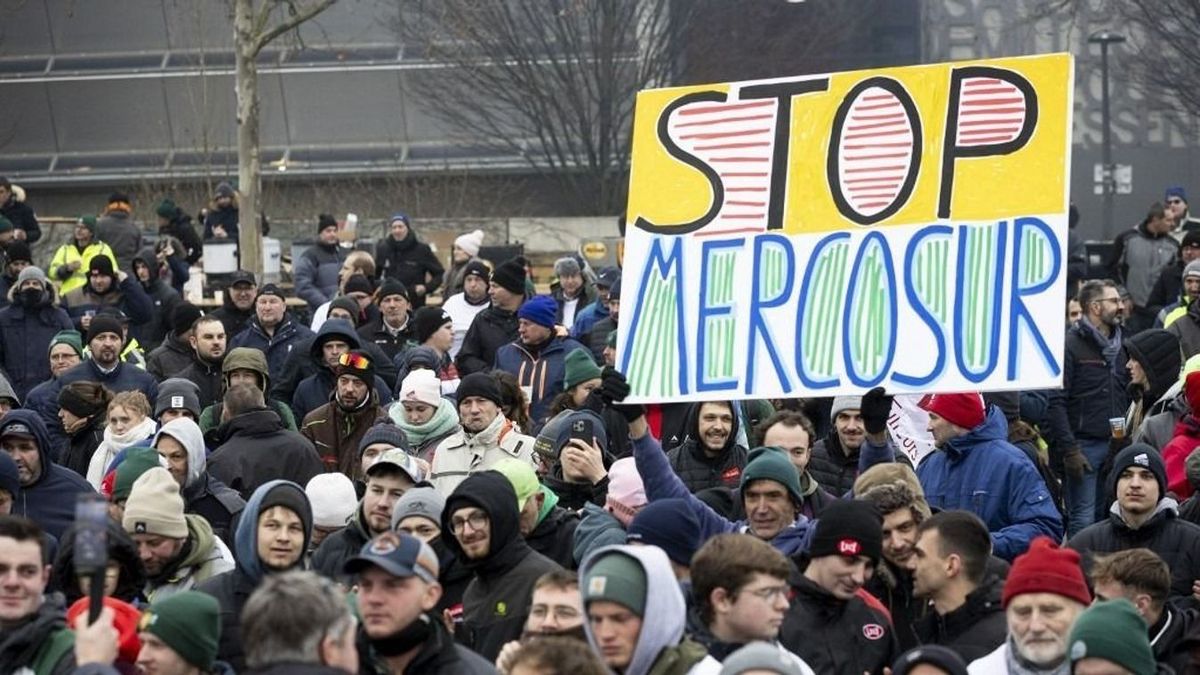
New Era from May 1: Mercosur Agreement Takes Effect, May Shock Agricultural Market
Translated from Hungarian, summarized and contextualized by DistantNews.
TLDR
- The EU-Mercosur trade agreement is set to take effect, raising concerns among Hungarian agricultural stakeholders.
- Hungarian officials and experts worry that cheaper imports of meat, soy, and sugar from South American countries could depress prices and disadvantage local farmers.
- Specific sectors like poultry, honey, and ethanol are identified as particularly vulnerable to increased competition.
The impending implementation of the EU-Mercosur trade agreement signals a potentially seismic shift for Hungary's agricultural sector, a cornerstone of our national economy and rural identity. While proponents tout the benefits of increased trade and market access for European industries, the concerns voiced by Hungarian farmers and government officials are profound and demand serious consideration.
Our primary apprehension, as articulated by figures like Agrarian Minister Nagy István, centers on the disparity in regulatory standards. European farmers operate under stringent environmental and animal welfare rules, which inherently increase production costs. Allowing products from Mercosur countries, which often face less rigorous regulations, to flood the EU market risks creating an uneven playing field. This could lead to a significant downward pressure on prices for key Hungarian products such as poultry, honey, and ethanol, jeopardizing the livelihoods of our hardworking farmers and the viability of these crucial sectors.
Beyond price competition, there are also concerns about food safety and quality. The differing regulatory frameworks raise questions about whether products entering the EU market meet the same high standards that Hungarian consumers expect and that our producers adhere to. This is not merely an economic issue; it is a matter of protecting our national food security and maintaining consumer trust in the products they purchase.
From the perspective of Magyar Nemzet, this agreement presents a stark conflict between the interests of industrial exporters and the agricultural heartland that sustains so many Hungarian communities. While France, Austria, and Ireland share similar reservations, Hungary's vocal opposition stems from a deep-seated commitment to protecting our agricultural heritage and ensuring the economic stability of our rural areas. The potential for revenue loss and even the closure of farms is a risk we cannot afford to ignore, especially when it impacts the very fabric of our nation.
It is unacceptable that European farmers are subject to strict rules, while products produced under much looser conditions in third countries enter the EU market.
DistantNews Editorial
Originally published by Magyar Nemzet in Hungarian. Translated, summarized, and contextualized by our editorial team with added local perspective. Read our editorial standards.
More Stories
From Our Blog

Countries Without a Free Press: What You Need to Know

What Press Freedom Means for the News You Read

What Gets Lost (and Found) When News Is Translated

The Critical Role of Diaspora Media in Global News

What Travellers Should Know About Countries with Restricted Press
