


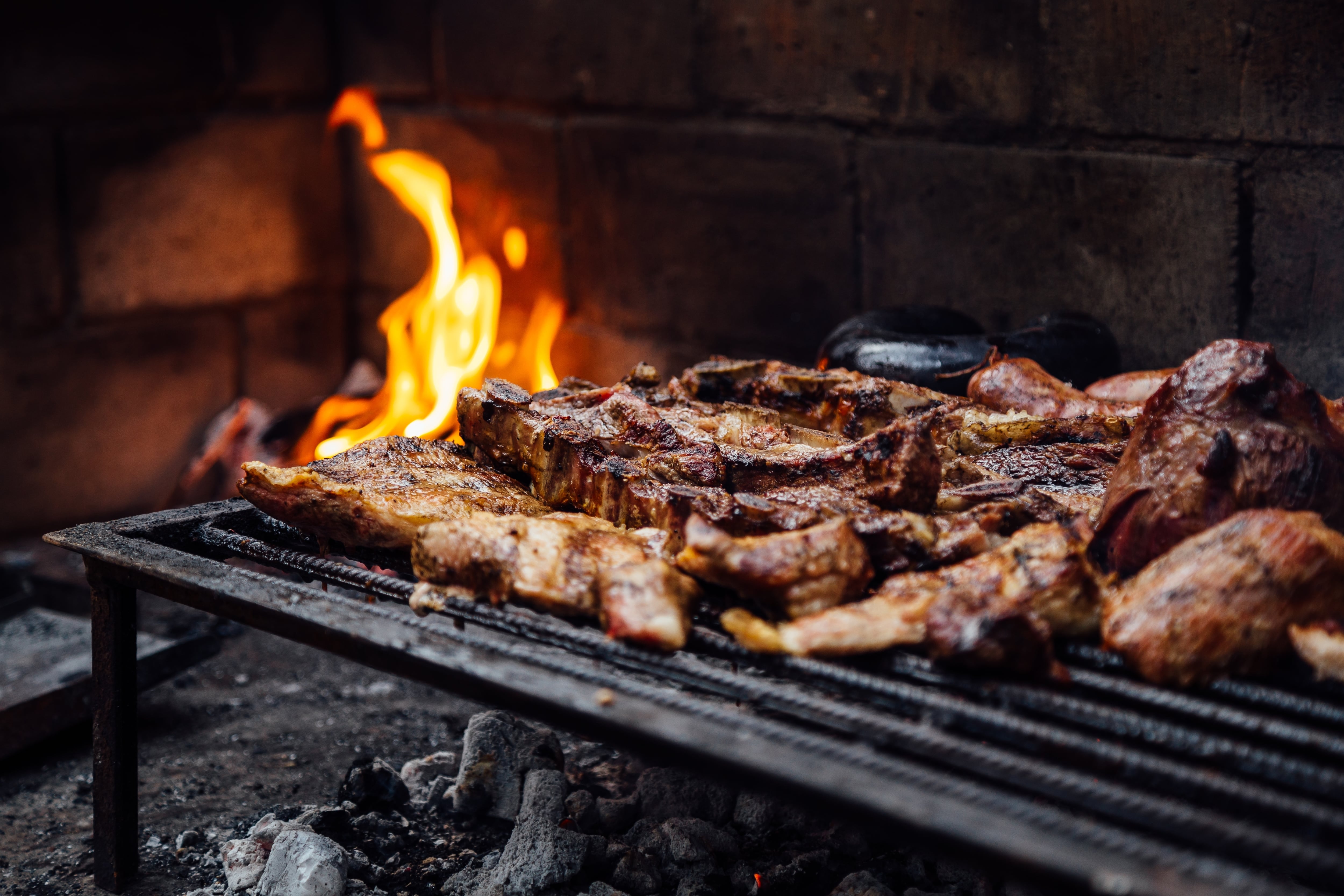
New Grilling Trends Replace Charcoal and Wood for Argentina's Asado
Translated from Spanish, summarized and contextualized by DistantNews.
TLDR
- Traditional Argentine asado (barbecue) is evolving with new cooking methods that replace charcoal and wood.
- Electric, gas, and pellet grills are gaining popularity due to precise heat control, reduced environmental impact, and convenience.
- These modern grills offer benefits like smoke-free cooking, faster ignition, and enhanced safety, making them suitable for urban living.
The quintessential Argentine asado, a cornerstone of social gatherings and national identity, is undergoing a significant transformation. While the tradition of gathering around a grill remains, the methods are shifting. La Nación reports on the growing adoption of electric, gas, and pellet grills, which are increasingly replacing traditional charcoal and wood-fired models. This evolution is driven by a desire for greater efficiency, environmental consciousness, and the practicalities of modern urban living. These new technologies offer unparalleled control over cooking temperatures, a crucial element in achieving the perfect asado, and significantly reduce the environmental footprint associated with traditional methods. Furthermore, the elimination of smoke makes these grills a more neighborly option for those living in apartments or densely populated areas, where the aroma of grilling meat can sometimes be a point of contention. The article highlights how these innovations do not compromise the authentic flavor that defines Argentine barbecue, ensuring that the ritual can continue to adapt and thrive.
The classic scene is experiencing a necessary evolution.
DistantNews Editorial
Originally published by La Nación in Spanish. Translated, summarized, and contextualized by our editorial team with added local perspective. Read our editorial standards.
More Stories


From Our Blog

What Gets Lost (and Found) When News Is Translated

The Critical Role of Diaspora Media in Global News

What Travellers Should Know About Countries with Restricted Press

A Digital Nomad's Guide to Following Local News

How the Same Story Looks Different in Different Countries
