

New Poll: Dansk Folkeparti Surges, Venstre Declines
Translated from Danish, summarized and contextualized by DistantNews.
TLDR
- A new poll shows Dansk Folkeparti (DF) gaining support, while Venstre (V) is declining.
- DF is projected to become the largest party in the blue bloc with 12% support, a significant increase from their previous election results.
- Venstre's support has dropped to 8.4%, marking a historically low point.
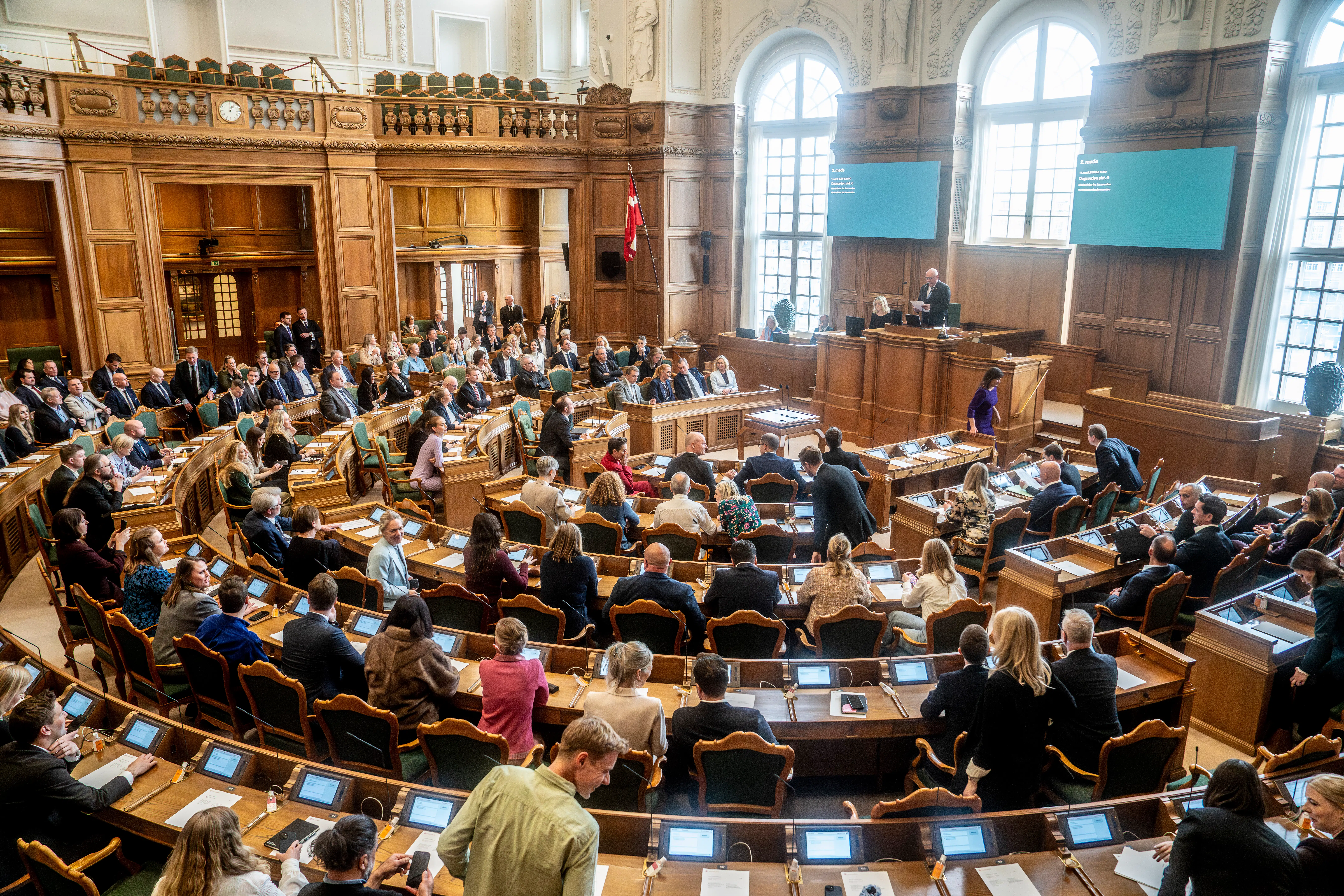
A recent Verian poll, published by Berlingske, paints a stark picture of the Danish political landscape, indicating a significant surge in support for Dansk Folkeparti (DF) and a concerning decline for Venstre (V). The poll, the first since the March 24 general election, shows DF commanding 12% of the vote, a notable jump from their 9.1% election result and a strong recovery from their near-miss of the electoral threshold in 2022.
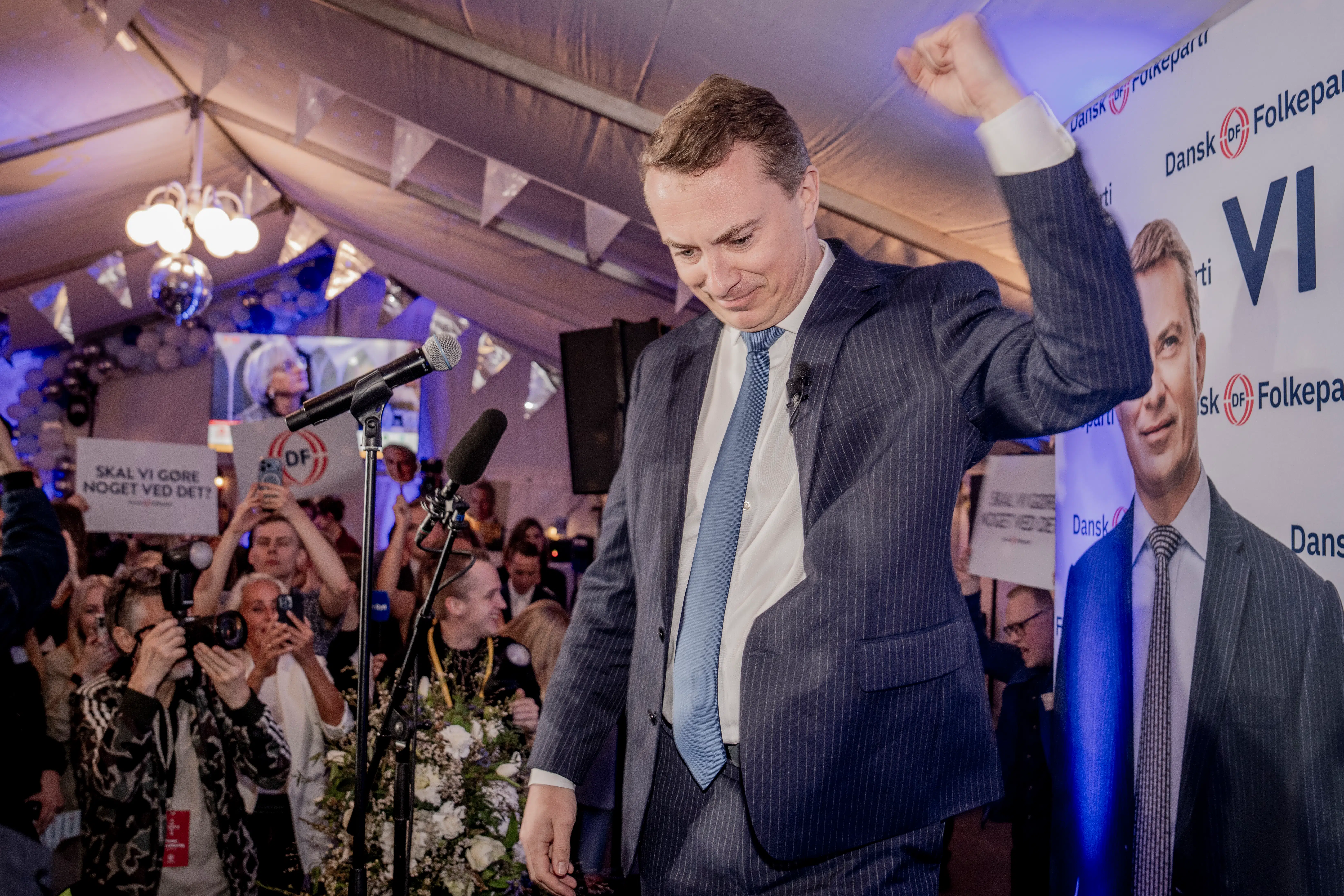
This newfound strength positions Morten Messerschmidt's DF as the leading party within the blue bloc, surpassing Venstre, which now languishes at a historically low 8.4%. Berlingske's political commentator, Bent Winther, suggests that the "seven-year-long Social Democratic stranglehold on Dansk Folkeparti has lost its power." He attributes Messerschmidt's current success to a more populist, patriotic, and radical approach, emphasizing that Messerschmidt is not seeking compromise or immediate government participation but is instead focused on his ultimate goal: the premiership.
From a Danish perspective, this poll is more than just a snapshot of public opinion; it reflects a potential shift in the national political narrative. The rise of DF and the struggles of Venstre highlight a segment of the electorate that feels unrepresented by traditional centrist parties. The focus on patriotism and a more hardline stance, as embodied by Messerschmidt, appears to be resonating with voters who may feel alienated by mainstream political discourse or concerned about issues such as immigration and national identity.
This development is particularly interesting when contrasted with how such shifts might be perceived internationally. While some Western media might focus on the rise of populism as a threat to liberal democracy, within Denmark, it can be seen as a complex expression of voter sentiment, driven by specific national concerns and political dynamics. The article also touches upon other societal discussions, such as the DR program 'Hotel Romantik' and its commentary on ageism, and ongoing debates about social control in schools, indicating a broader public discourse that extends beyond party politics.
DistantNews Editorial
Originally published by Berlingske in Danish. Translated, summarized, and contextualized by our editorial team with added local perspective. Read our editorial standards.
More Stories

From Our Blog

What Gets Lost (and Found) When News Is Translated

The Critical Role of Diaspora Media in Global News

What Travellers Should Know About Countries with Restricted Press

A Digital Nomad's Guide to Following Local News

How the Same Story Looks Different in Different Countries
