

New Round of US-Iran Negotiations Underway; 'Never on the Table' is Uranium Transfer
Translated from Greek, summarized and contextualized by DistantNews.
TLDR
- Iran's Foreign Ministry spokesperson questioned U.S. commitment to diplomacy, citing alleged violations of a ceasefire.
- The spokesperson stated that no decision has been made regarding participation in new peace talks with Washington in Islamabad.
- Key sticking points in negotiations include Iran's uranium stockpiles and control over the Strait of Hormuz.
The United States' sincerity in pursuing diplomacy is once again under scrutiny, as Iran's Foreign Ministry spokesperson, Esmaïl Baghaei, voiced serious doubts about Washington's commitment. Baghaei accused the U.S. of actions that contradict their stated priority of diplomacy, pointing to specific incidents that Iran considers clear violations of the existing ceasefire. These alleged transgressions include the seizure of an Iranian cargo ship, naval blockades of Iranian ports, and delays in implementing the ceasefire in Lebanon.
At the same time that they say they prioritize diplomacy and declare readiness to negotiate, the United States adopts behaviors that in no way testify to a commitment to a diplomatic process.
These accusations cast a shadow over the upcoming peace negotiations scheduled to take place in Islamabad, Pakistan. With the ceasefire set to expire in just two days, Iran has yet to decide whether to participate. Baghaei explicitly stated that, as of now, there is no plan for the next round of talks and no decision has been made. This uncertainty highlights the deep mistrust that persists between the two nations, making any progress towards de-escalation incredibly challenging.
Central to the ongoing disagreements are Iran's significant stockpiles of highly enriched uranium and control over the strategic Strait of Hormuz. Baghaei firmly reiterated that the transfer of enriched uranium has never been on the table during negotiations, nor has it ever been considered by Iran. This comes after Iran denied accepting the transfer of nuclear material, contradicting previous statements by U.S. President Donald Trump. Despite facing damage to its nuclear program from past conflicts, Iran maintains that its program is exclusively for non-military purposes, rejecting Western claims of pursuing nuclear weapons.
For the time being, at this moment I am speaking to you, we do not have a plan for the next cycle of negotiations and no decision has been made on this matter.
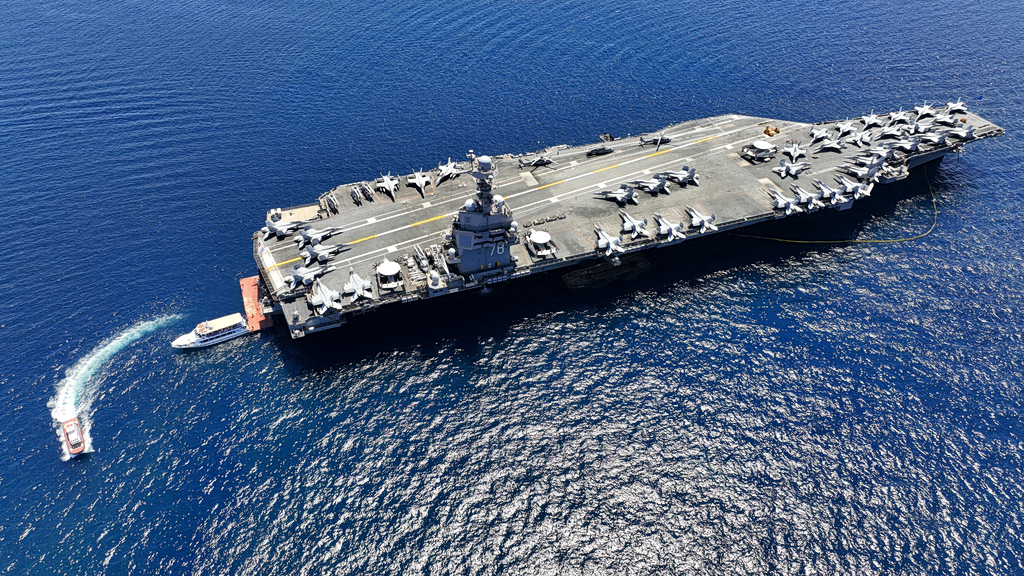
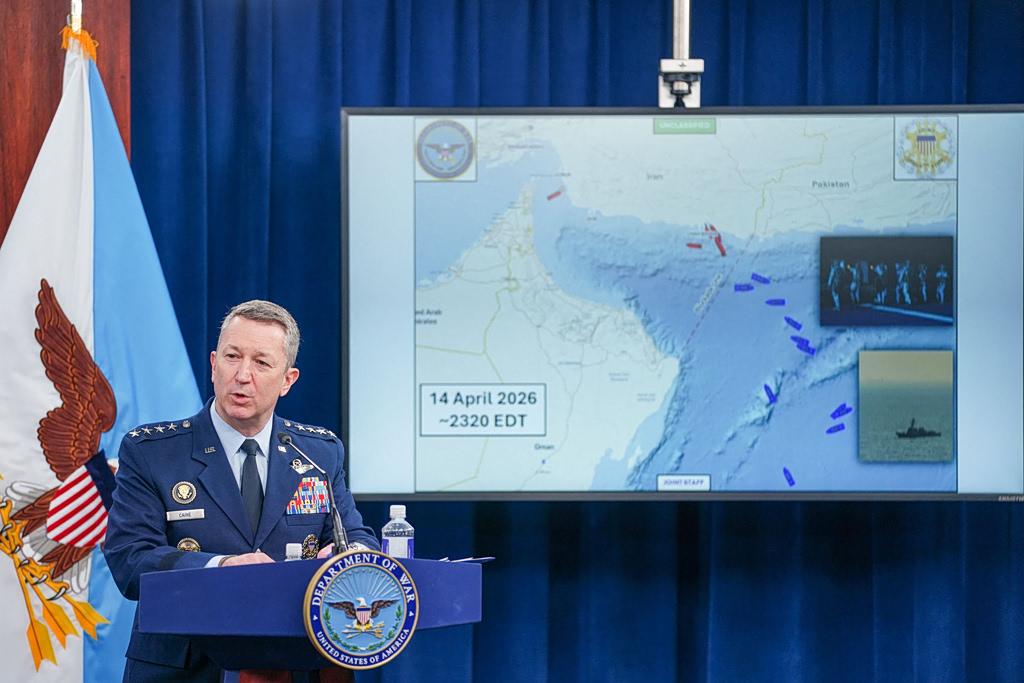
The situation remains tense, particularly in the Arabian Sea, where Iran has effectively blockaded the Strait of Hormuz, a critical global shipping lane. U.S. naval forces, including the destroyer USS Spruance, are actively monitoring and warning Iranian vessels, such as the Touska, to stay clear of ports like Bandar Abbas. This standoff underscores the volatile nature of the region and the potential for miscalculation to escalate tensions further. The international community watches closely as these diplomatic and military maneuvers unfold.
Regarding the transfer of enriched uranium, neither during these negotiations nor previously has such an option been mentioned. It has never been considered by us.
DistantNews Editorial
Originally published by Ta Nea in Greek. Translated, summarized, and contextualized by our editorial team with added local perspective. Read our editorial standards.
More Stories


From Our Blog

What Gets Lost (and Found) When News Is Translated

The Critical Role of Diaspora Media in Global News

What Travellers Should Know About Countries with Restricted Press

A Digital Nomad's Guide to Following Local News

How the Same Story Looks Different in Different Countries
