


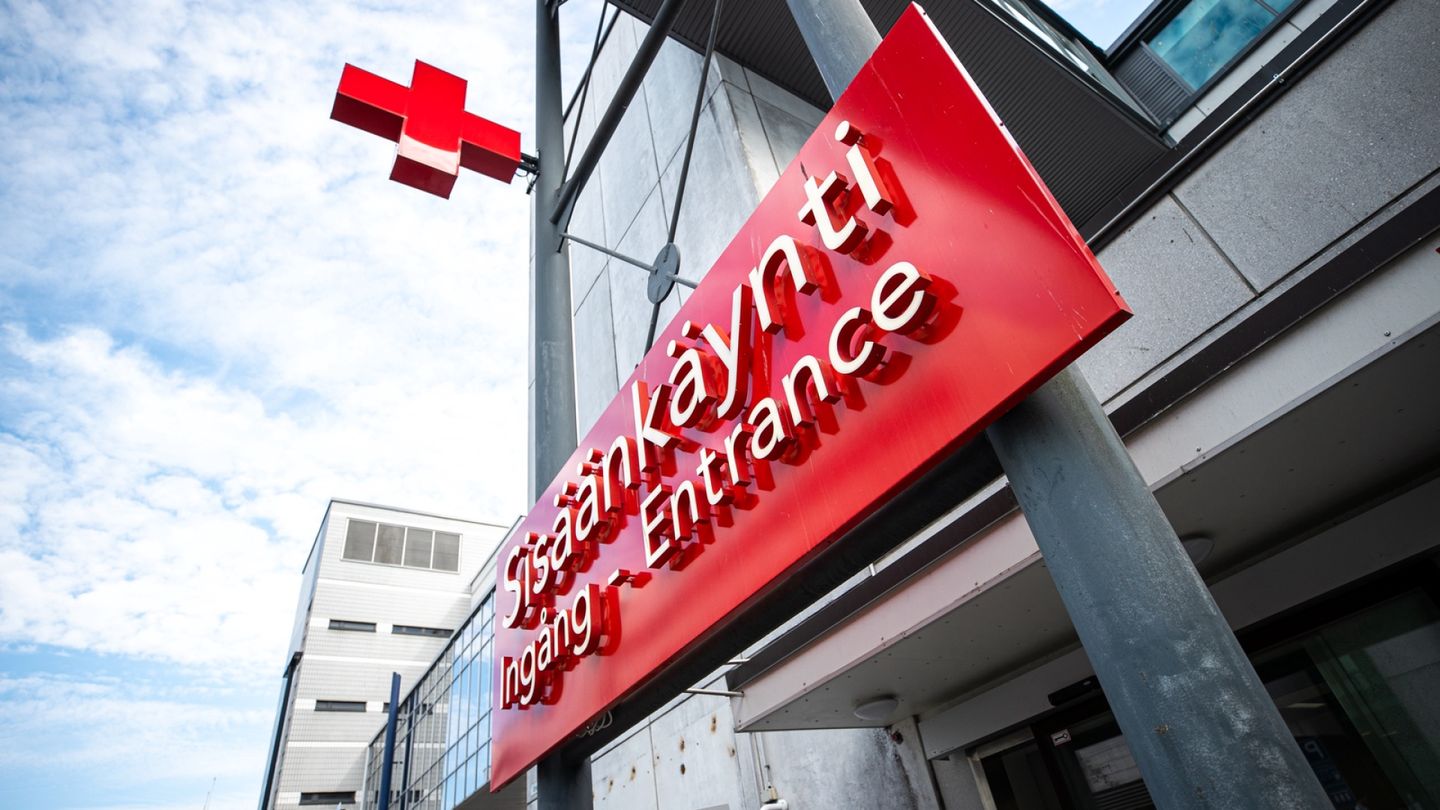
New System Sparks Uprising Among Hospital Staff in Tampere
Translated from Finnish, summarized and contextualized by DistantNews.
TLDR
- Hospital staff in Tampere, Finland, are protesting a new automated shift scheduling system implemented by the Pirkanmaa wellbeing services county.
- Over 6,500 employees signed a petition against the system in 2022, leading to a postponement, but hospital management has proceeded with the change.
- Management claims the system will ease supervisory work and ensure equitable shift distribution, while staff fear it will negatively impact their well-being and ability to manage work-life balance.
Helsingin Sanomat reports on a significant dispute unfolding within the Pirkanmaa wellbeing services county (Pirha) concerning the implementation of an automated shift scheduling system. This new system, despite widespread opposition from healthcare staff, has been pushed forward by hospital management at TAYS Central Hospital's intensive care and emergency departments.
The leadership walked over them and broke a working system.
In 2022, over 6,500 healthcare workers voiced their dissent by signing a petition against the automated scheduling, which led to a temporary halt. However, the wellbeing services county has now decided to proceed with the implementation, utilizing software from the Norwegian company Visma. This decision has been met with strong criticism from staff representatives, such as union representative Petri Siuro, who liken the automated system to a step backward and express concerns about its detrimental effects on employee well-being and work-life balance.
The wellbeing services county wants to make the bosses' job easier with the change.
Pirha's HR Director, Aija Tuimala, asserts that the new system is necessary for modernization and to facilitate supervisory tasks, aiming for a more equitable distribution of shifts. This perspective, however, clashes sharply with the frontline staff's experience and fears. The conflict highlights a common tension between administrative efficiency goals and the practical realities faced by healthcare workers, particularly concerning the communal planning that staff have come to rely on for managing their schedules and personal lives.
The automated planning option has been experienced as a bogeyman by the staff, which is feared to weaken well-being and resilience at work.
From a Finnish perspective, this situation underscores the importance of collaborative decision-making in the workplace, especially within the public sector. The strong reaction from the hospital staff reflects a deeply ingrained value placed on employee input and well-being. While international coverage might focus on the technological shift, the local narrative emphasizes the disruption of established, worker-centric practices and the potential erosion of trust between management and staff. Helsingin Sanomat, as a leading Finnish newspaper, aims to provide a comprehensive view of such societal issues, reflecting the public's concern for fair labor practices and the sustainability of the healthcare system.
Optimized planning is like a return to the old times from over twenty years ago, when the ward manager made the shifts based on each nurse's three to four wishes.
DistantNews Editorial
Originally published by Helsingin Sanomat in Finnish. Translated, summarized, and contextualized by our editorial team with added local perspective. Read our editorial standards.
More Stories

From Our Blog

What Gets Lost (and Found) When News Is Translated

The Critical Role of Diaspora Media in Global News

What Travellers Should Know About Countries with Restricted Press

A Digital Nomad's Guide to Following Local News

How the Same Story Looks Different in Different Countries
