

'Next time it might not be a storm, but something else' – Latvian services ready, crisis response to improve
Translated from Latvian, summarized and contextualized by DistantNews.
At a glance
News
Named sources
Context piece
- Latvian officials and emergency services met to discuss the response to a powerful summer storm that hit the country over the weekend.
- The government will review actions taken during the storm and propose improvements for future crisis management.
- Key issues identified include power outages and communication disruptions, with plans to establish "resilience points" for citizens during emergencies.
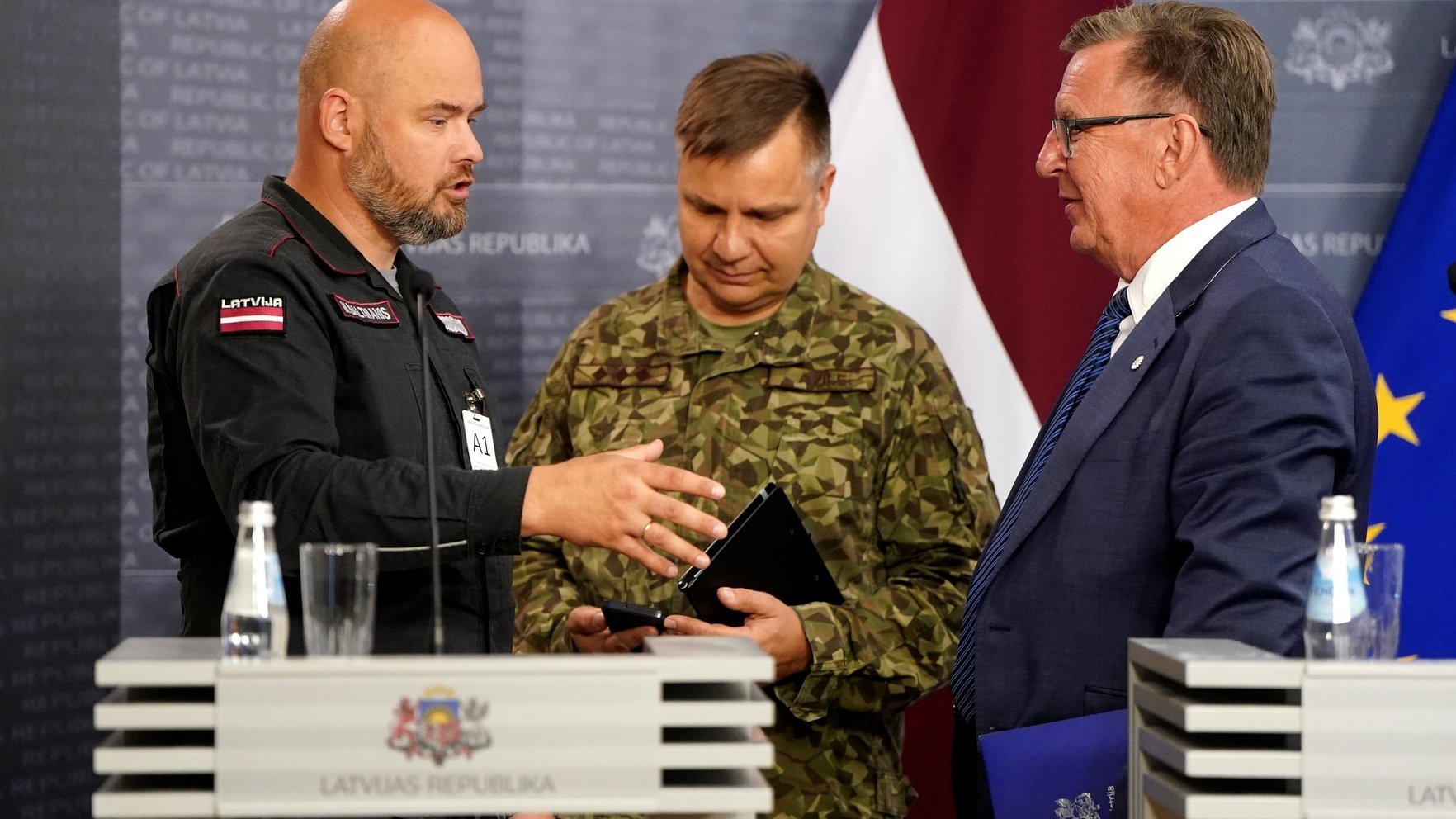
Latvian officials and emergency service representatives convened on Monday, August 24th, for a Cabinet crisis management meeting to assess the impact of a severe storm that battered the country over the weekend. The discussions focused on the damages caused and potential shortcomings in the response, with a commitment to improving future crisis management protocols.
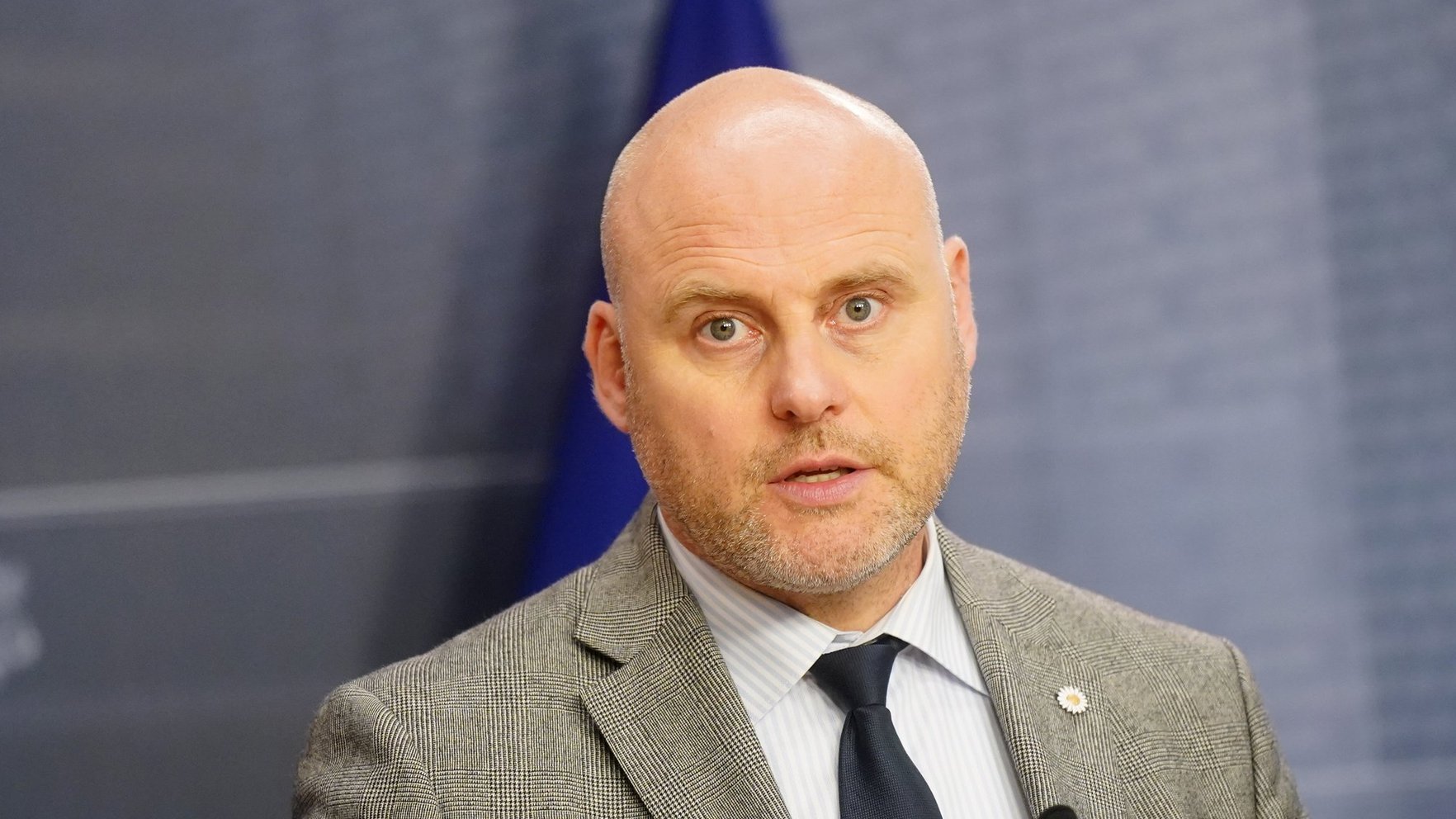
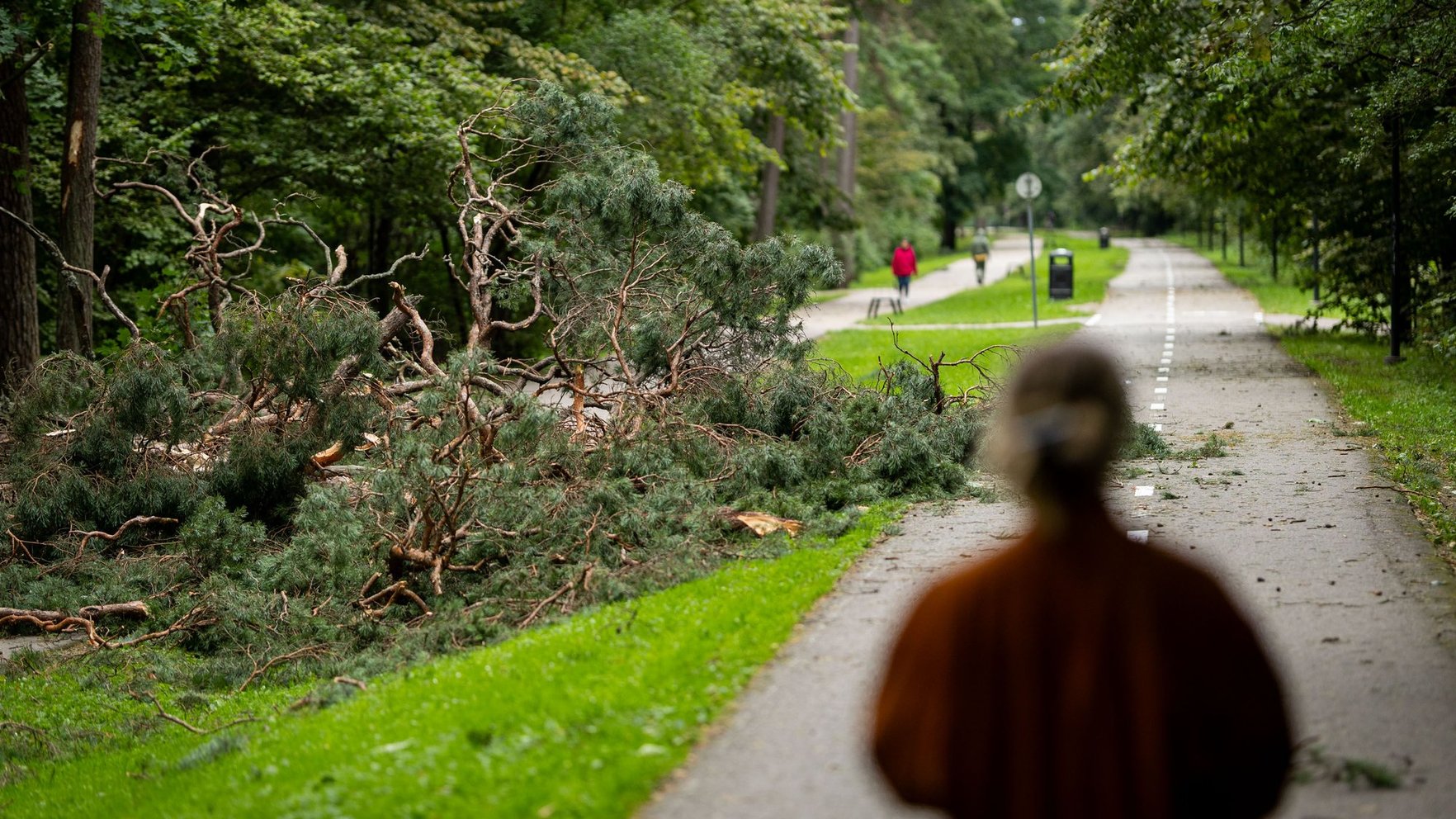
Acting Prime Minister Māris Kučinskis announced that the actions taken during the storm would be evaluated, and involved parties would present proposals for enhancement. He cautioned that while this storm caused significant damage, future threats might not be weather-related. The storm, one of the strongest summer gales in 60 years, brought wind speeds exceeding 30 meters per second, felling hundreds of trees and damaging infrastructure across the country.
Kučinskis noted that while the Climate and Energy Ministry performed well, certain aspects of the crisis response were problematic. These included widespread power outages, which he acknowledged are difficult to completely prevent but for which solutions will be sought. Communication disruptions were also a significant issue, with a recognized need for alternative communication methods for state institutions to inform the public when communication towers fail.
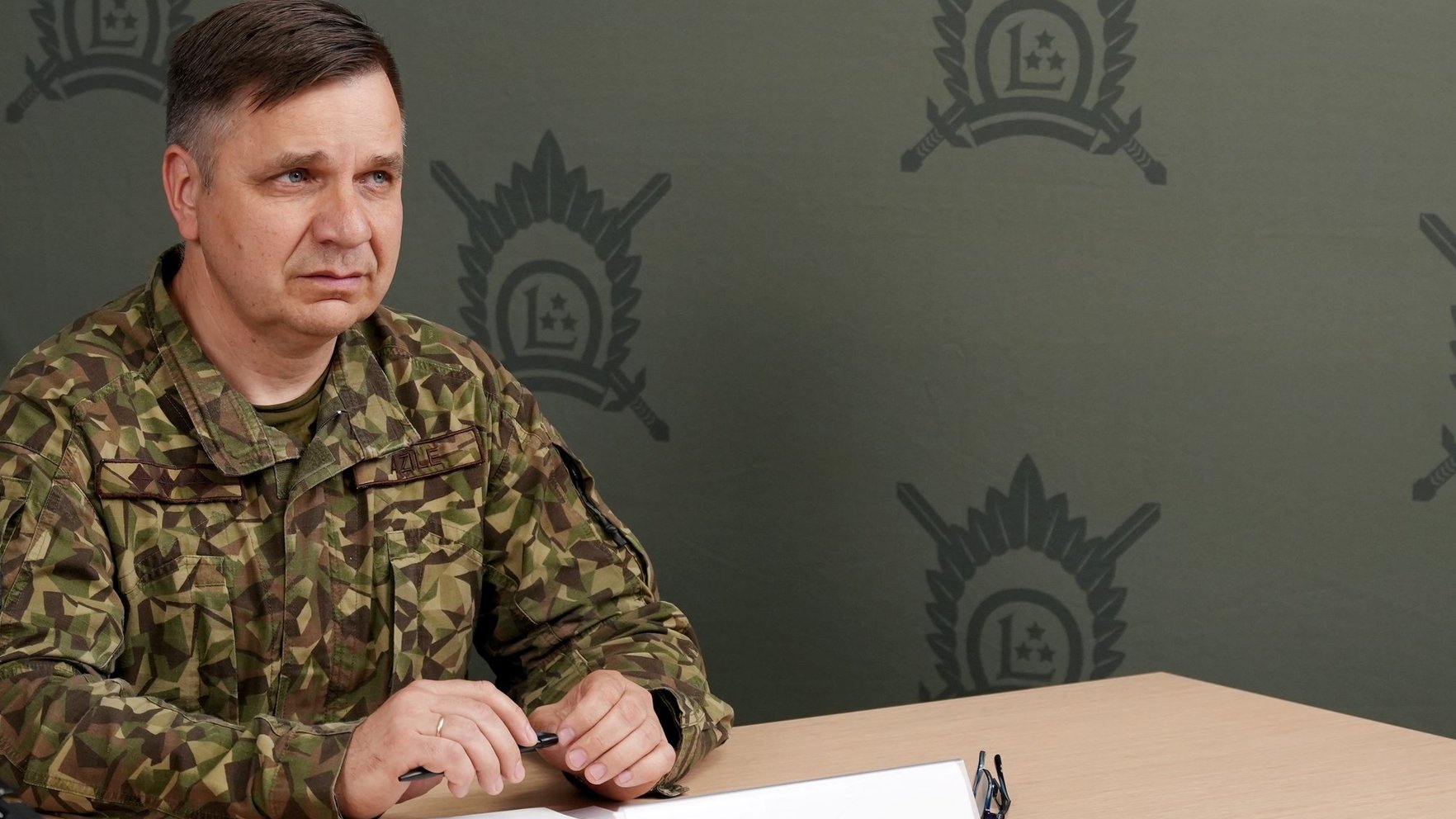
Colonel Arvis Zīle, head of the Crisis Management Center (KVC), reported that all services operated around the clock during the crisis. He outlined plans to establish "resilience points" within municipalities. These centers would serve as crucial hubs during disasters, providing residents with the latest information, charging facilities for electronic devices, water, and a place to warm up if heating systems fail. The KVC also plans to enhance the public warning system.
DistantNews Editorial
Originally published by Delfi Latvia in Latvian. Translated, summarized, and contextualized by our editorial team with added local perspective. Read our editorial standards.
More Stories
From Our Blog

What Gets Lost (and Found) When News Is Translated

The Critical Role of Diaspora Media in Global News

What Travellers Should Know About Countries with Restricted Press

A Digital Nomad's Guide to Following Local News

How the Same Story Looks Different in Different Countries
