

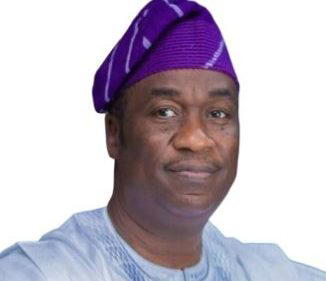

Nigeria as Federal Republic of Asiwaju? Why not! By Ikechukwu Amaechi
Summarized and contextualized by DistantNews.
At a glance
Analysis
Sources not specified
Context piece
- Nigerian public officials are increasingly showing deference to President Bola Tinubu, leading to concerns about the concentration of power.
- The National Assembly rapidly passed a bill to reinstate an old national anthem, bypassing public consultation and ignoring advice from the Attorney General.
- Critics argue this accelerated legislative process, driven by presidential will, blurs the lines of checks and balances essential in a democracy.
Nigeria's political landscape is increasingly characterized by an almost subservient deference to President Bola Tinubu, prompting fears of unchecked executive power. The recent, swift passage of a bill to reinstate the old national anthem, "Nigeria, We Hail Thee," serves as a stark example. The National Assembly pushed the bill through in just six days in May 2024, with minimal public input and disregarding the Attorney General's call for broader consultations.
At the rate some public officials are going, no one should be surprised if a bill surfaces in the National Assembly tomorrow seeking to rename the Federal Republic of Nigeria as the Federal Republic of Asiwaju.
This accelerated legislative process, particularly the lack of public hearings in the House of Representatives, has drawn criticism. While the Senate held a perfunctory hearing, the speed of enactment suggests a strong presidential push. The author implies that in "the Federal Republic of Asiwaju," as the country might be jokingly renamed, "whatever Tinubu wants, he gets."
A national anthem serves as an important symbol of a country’s sovereignty and the foundation of national identity.
The article highlights a concerning erosion of the principle of checks and balances. In a constitutional democracy, these checks are vital for accountability and preventing tyranny. However, under President Tinubu's administration, the lines between the executive and legislative branches appear significantly blurred. The National Assembly, which should act as a crucial check on executive power, is instead seen as "vigorously dancing on Tinubu's mandate," raising questions about its role in safeguarding the rule of law and protecting citizens from arbitrary government actions.
What mattered was that President Tinubu wanted the bill passed. And in the Federal Republic of Asiwaju, whatever Tinubu wants, he gets.
DistantNews Editorial
Originally published by Vanguard. Summarized and contextualized by our editorial team with added local perspective. Read our editorial standards.
More Stories


From Our Blog

How the Same Story Looks Different in Different Countries

What Gets Lost (and Found) When News Is Translated

The Critical Role of Diaspora Media in Global News

What Travellers Should Know About Countries with Restricted Press

A Digital Nomad's Guide to Following Local News
