


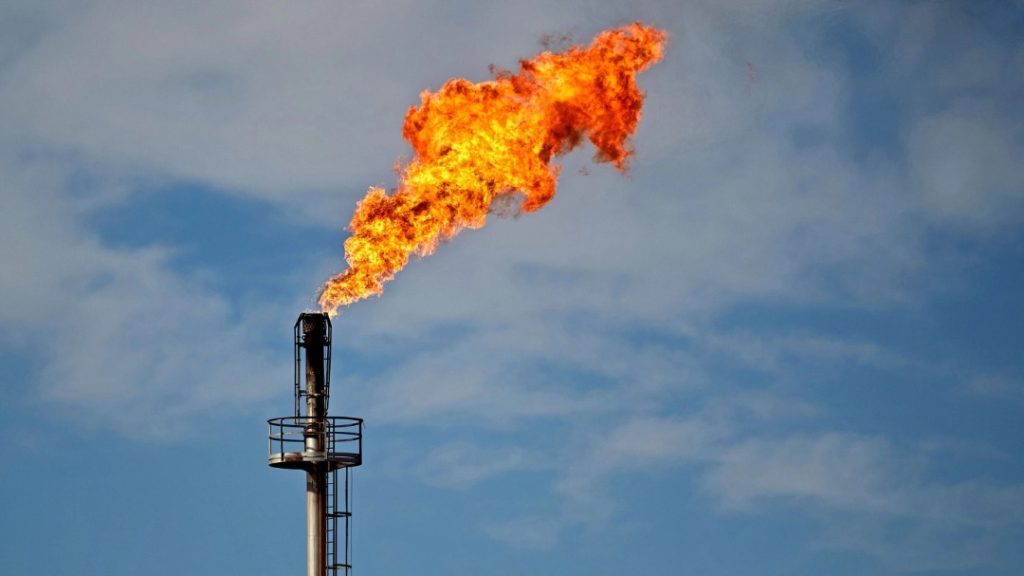
Nigeria loses 62,400GWh electricity as gas flaring rises 18.6%
Summarized and contextualized by DistantNews.
At a glance
News
Named sources
Ongoing story
- Nigeria lost an estimated 62,400 gigawatt-hours (GWh) of potential electricity generation between 2024 and 2025 due to gas flaring.
- This represents an 18.6% increase in lost electricity potential compared to the 50,800 GWh recorded in 2022.
- Experts attribute the rise in gas flaring to a weak power market and insufficient incentives for gas monetization.
Nigeria is facing a significant loss of potential electricity generation, estimated at 62,400 gigawatt-hours (GWh) between 2024 and 2025, primarily because of ongoing gas flaring. This figure marks an 18.6% increase from the 50,800 GWh lost in 2022, highlighting a worsening trend despite government efforts.
The practice of flaring natural gas, a byproduct of oil extraction, means that valuable energy resources are burned off instead of being captured and utilized for power generation. This not only represents a substantial waste of energy but also contributes to environmental pollution. The sheer volume of lost electricity potential could power millions of homes and industries.
Experts point to a combination of factors fueling this persistent issue. A weak domestic power market, characterized by instability and insufficient demand, discourages investment in gas infrastructure. Furthermore, a lack of robust incentives for companies to monetize the flared gas means that burning it off remains the more economically viable option for some operators, despite government penalties aimed at curbing the practice.
Expert blames weak power market, poor gas monetisation incentives
DistantNews Editorial
Originally published by Vanguard. Summarized and contextualized by our editorial team with added local perspective. Read our editorial standards.
More Stories


From Our Blog

How the Same Story Looks Different in Different Countries

What Gets Lost (and Found) When News Is Translated

The Critical Role of Diaspora Media in Global News

What Travellers Should Know About Countries with Restricted Press

A Digital Nomad's Guide to Following Local News
