


Nigeria's Insecurity: When Prayer Becomes an Affront
Translated from English, summarized and contextualized by DistantNews.
TLDR
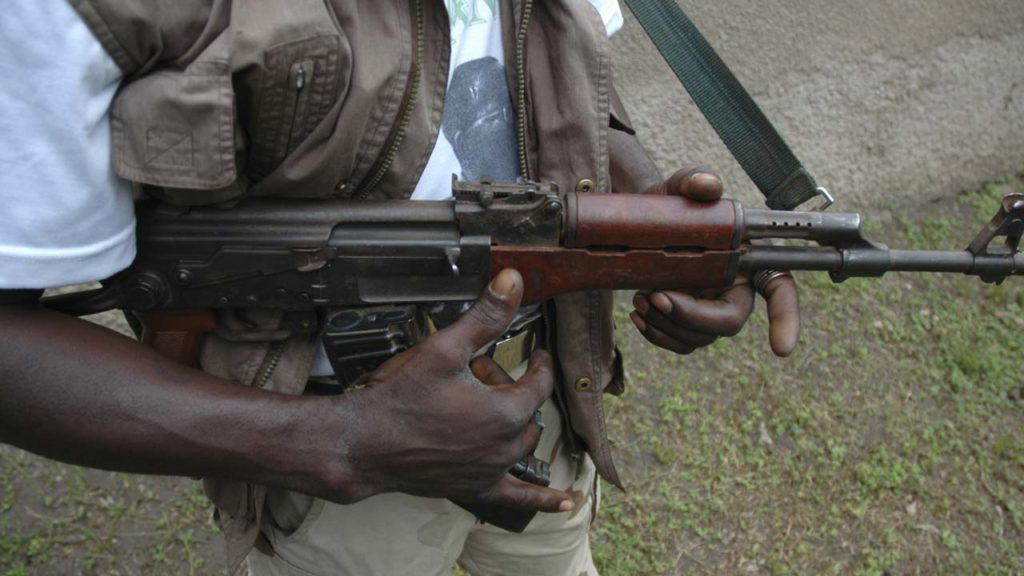
- Nigeria faces persistent insecurity and organized crime, with the upcoming 2027 elections potentially exacerbating these issues.
- The country's history is marked by prayer and national anthems that have failed to address its foundational problems and subsequent conflicts.
- Despite religious devotion, Nigeria has experienced pogroms, civil war, and coups, suggesting that prayer alone has not resolved its deep-seated challenges.
Nigeria, a nation deeply rooted in faith, finds itself at a critical juncture where fervent prayer seems to be the primary response to pervasive insecurity and organized crime. As the country gears up for the 2027 elections, the authors of its current script must grapple with the possibility that the excluded and marginalized may finally demand their due. Should this happen, Nigeria could face a proposition for which neither prayers nor bullets offer a sufficient solution.
My ill-fated country, those you have affronted with them you must be equalized by sharing the same affront. Those you have denied human rights, Allowed to stand before you but never invited in – with all of them you must be equalized by sharing the same affront
The article, published by Premium Times, reflects a common sentiment in Nigeria: a deep reliance on spiritual intervention for national problems. From Friday mosque prayers and Tafsir to Sunday church services and song offerings, faith is a cornerstone of daily life. Yet, this spiritual devotion has not translated into lasting peace or security. The nation's history, from its very inception, has been fraught with conflict, including a civil war and multiple coups, despite national anthems invoking divine assistance for peace and justice.
grant this our one request” and “help us to build a nation where no man is oppressed.
The narrative questions the efficacy of these prayers and anthems in truly addressing the 'original sin' that afflicted the country's birth and the subsequent challenges. The first national anthem, written in 1959, prayed for a nation where no one is oppressed, yet Nigeria endured a pogrom and civil war within its first 20 years. The second anthem, adopted in 1978, also called for peace and justice but became a symbol for military usurpers. This cycle of prayer, conflict, and attempted renewal highlights a persistent struggle to translate spiritual hope into tangible national progress. The article suggests that the country's leaders have often sought 'replacement therapy' rather than confronting the root causes of its persistent insecurity.
to build a nation where peace and justice shall reign.
DistantNews Editorial
Originally published by Premium Times in English. Translated, summarized, and contextualized by our editorial team with added local perspective. Read our editorial standards.
More Stories


From Our Blog

How the Same Story Looks Different in Different Countries

What Gets Lost (and Found) When News Is Translated

The Critical Role of Diaspora Media in Global News

What Travellers Should Know About Countries with Restricted Press

A Digital Nomad's Guide to Following Local News
