


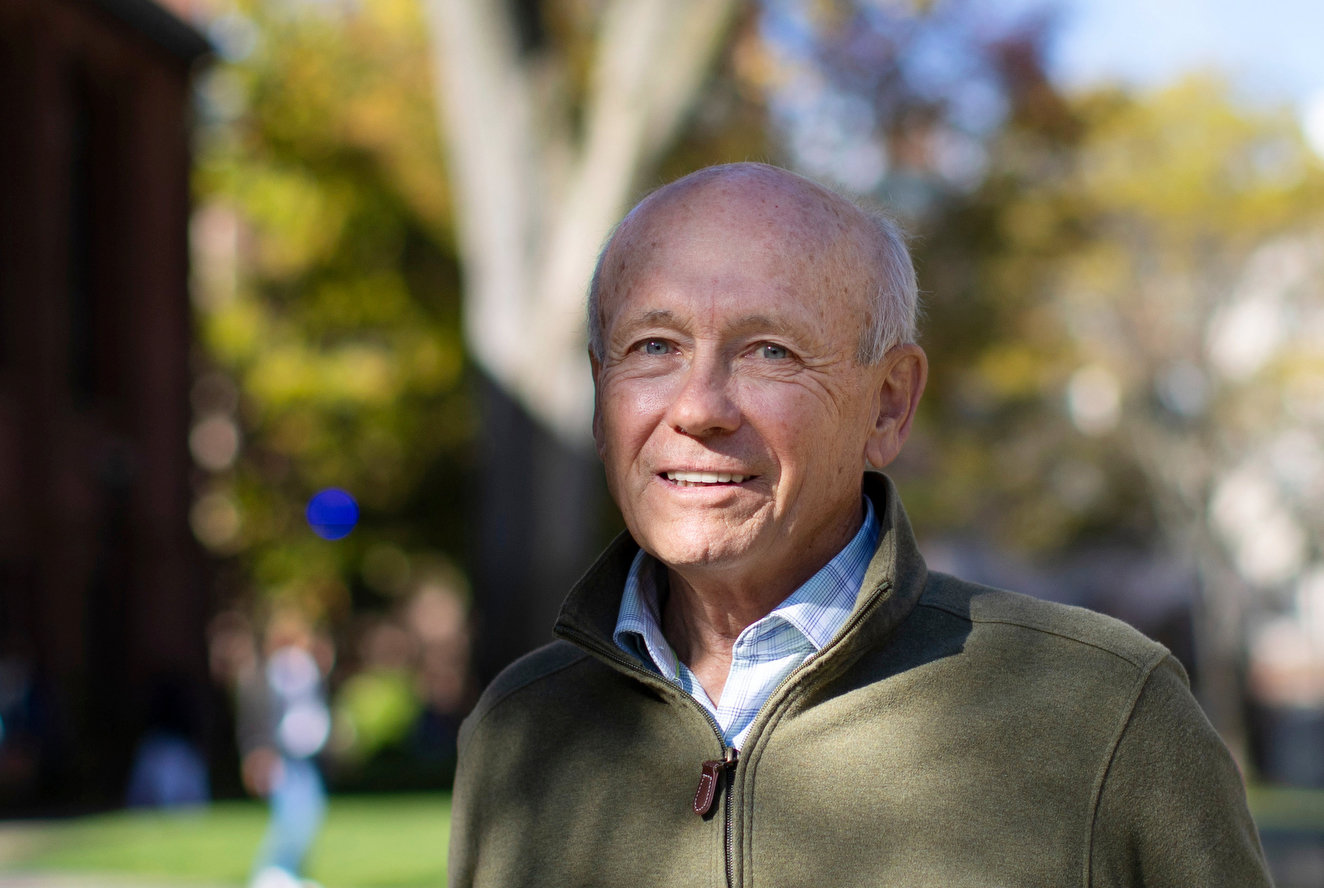
Nobel Laureate Advises: 'Attract Overseas Talent Denied U.S. Visas'
Translated from Korean, summarized and contextualized by DistantNews.
TLDR
- Nobel laureate Peter H. Diamond advises the U.S. to reform its immigration and education systems to retain talent, warning that other countries have a golden opportunity to attract innovators leaving the U.S.
- Diamond suggests South Korea has significant potential to attract high-caliber talent in innovative industries like AI, citing Canada's strategic immigration policies as a successful model.
- South Korea faces challenges with a declining growth rate due to aging and low birth rates, with its immigration policy currently focused on low-wage workers, contrasting with the need for skilled professionals in advanced industries.
In a stark warning that resonates deeply with our nation's future, Nobel laureate Peter H. Diamond urges the United States to reconsider its approach to talent retention. His observation that the U.S. is inadvertently 'exporting talent' presents a critical juncture, not just for America, but for aspiring nations like South Korea. As Diamond points out, this presents a 'golden opportunity' for countries that are actively seeking to cultivate innovation and secure future growth engines.
Diamond's insights, shared in an interview with Dong-A Ilbo, highlight South Korea's immense potential to attract top-tier talent, particularly in burgeoning fields such as artificial intelligence and advanced industries. He specifically commends Canada's strategic immigration policies, which prioritize skilled workers and researchers through expedited processes, as a model for success. This contrasts sharply with South Korea's current immigration focus, which leans towards low-wage labor, despite the nation's pressing need to address its declining growth rate, exacerbated by rapid aging and low birth rates.
From our perspective at Dong-A Ilbo, this is not merely an economic issue; it is a matter of national competitiveness and long-term survival. While the government has proposed measures to attract talent, such as the 'Top-Tier Visa,' the pace is insufficient given the fierce global competition. We must accelerate efforts to create a more welcoming and efficient system for attracting and retaining highly skilled individuals. This includes streamlining visa processes, offering robust incentives, and fundamentally rethinking our immigration policies to align with the demands of the AI era and the global race for innovation. The future of our economy and our standing in the world depend on our ability to secure the brightest minds.
DistantNews Editorial
Originally published by Dong-A Ilbo in Korean. Translated, summarized, and contextualized by our editorial team with added local perspective. Read our editorial standards.
More Stories


From Our Blog

What Gets Lost (and Found) When News Is Translated

The Critical Role of Diaspora Media in Global News

What Travellers Should Know About Countries with Restricted Press

A Digital Nomad's Guide to Following Local News

How the Same Story Looks Different in Different Countries
