


North Chungcheong's Welfare Policies 'Working Bobber' and Deferred Medical Payments Take Root
Translated from Korean, summarized and contextualized by DistantNews.
TLDR
- Two welfare policies in South Korea's North Chungcheong Province, 'Working Bobber' for seniors and a deferred medical payment system, are showing success.
- The 'Working Bobber' program has surpassed 600,000 participants, offering simple jobs and activity fees to seniors and vulnerable groups.
- The deferred medical payment system has aided over 3,000 individuals, providing interest-free loans for medical expenses, with plans to expand eligibility.
The province of North Chungcheong is pioneering innovative welfare solutions that are not only addressing the needs of its vulnerable populations but also empowering them to contribute to the community. The 'Working Bobber' initiative, a first of its kind in the nation, redefines senior welfare by creating opportunities for active participation and engagement. It's heartening to see our elders and individuals with disabilities transition from being mere recipients of aid to becoming active agents of community vitality.
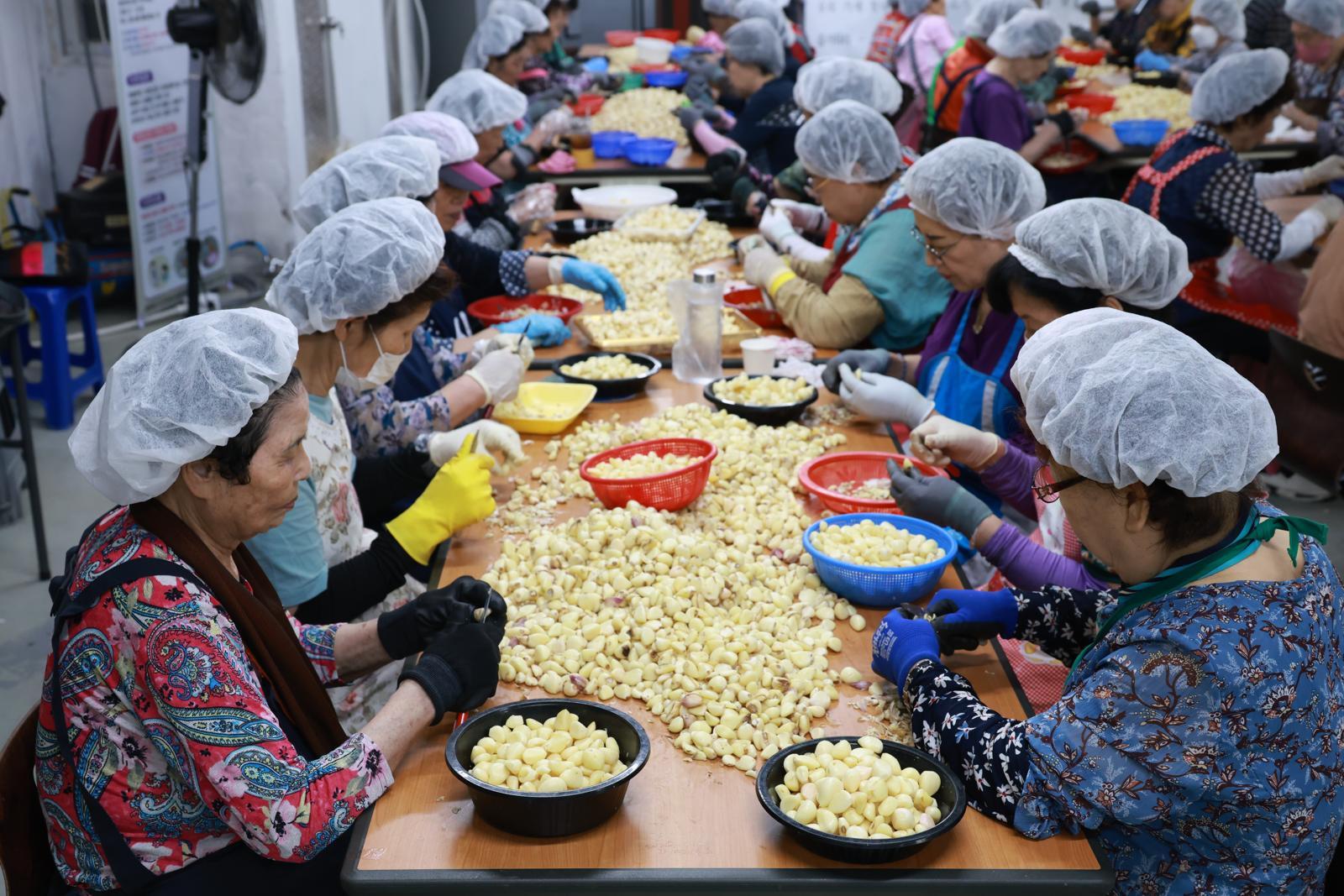
The 'Working Bobber' program, inspired by a similar initiative in Seoul, provides seniors aged 60 and above, along with vulnerable groups, with opportunities to earn activity fees through simple tasks at community centers or small workshops. The program's success, evidenced by its rapid growth in participation, highlights a strong demand for such meaningful engagement. The province's commitment to expanding this model, securing national funding, and implementing digital systems for efficient management demonstrates a forward-thinking approach to welfare.
The surpassing of 600,000 participants in 'Working Bobber' shows that the elderly and disabled are transforming from recipients of welfare to agents creating community vitality.
Equally impactful is the 'Medical Expense Deferred Payment System.' This groundbreaking policy offers interest-free loans to vulnerable individuals who struggle to afford timely medical treatment. The low default rate and high user satisfaction underscore its effectiveness and stability. The fact that this model is being adopted by other regions, such as Seoul and Jeonnam, speaks volumes about its success and potential to become a national standard.
From our perspective at Dong-A Ilbo, these initiatives represent a significant step forward in social welfare. They are not just about providing support but about fostering dignity, independence, and a sense of purpose. The expansion plans, including broadening eligibility to all residents and covering all medical fields, signal a robust commitment to building a comprehensive medical safety net for everyone in North Chungcheong. This is a testament to the province's dedication to innovative and people-centered governance.
We will do our best to continuously improve the system and expand support so that 'Medical Expense Deferred Payment System,' a representative innovative policy of Chungbuk, can firmly establish itself as a new standard for medical welfare in Korea.
DistantNews Editorial
Originally published by Dong-A Ilbo in Korean. Translated, summarized, and contextualized by our editorial team with added local perspective. Read our editorial standards.
More Stories



From Our Blog

What Gets Lost (and Found) When News Is Translated

The Critical Role of Diaspora Media in Global News

What Travellers Should Know About Countries with Restricted Press

A Digital Nomad's Guide to Following Local News

How the Same Story Looks Different in Different Countries
