

NZZ: Romania Steps Back into Political Crisis as Government Faces No-Confidence Vote
Translated from Romanian, summarized and contextualized by DistantNews.
TLDR
- Romania's political landscape is facing potential instability, with the government of Prime Minister Ilie Bolojan at risk of collapse.
- The far-right Alliance for the Union of Romanians (AUR) is gaining significant traction in polls, potentially becoming the largest political force.
- A no-confidence motion, supported by an unusual alliance between the PSD and AUR, threatens the current government, potentially leading to early elections.
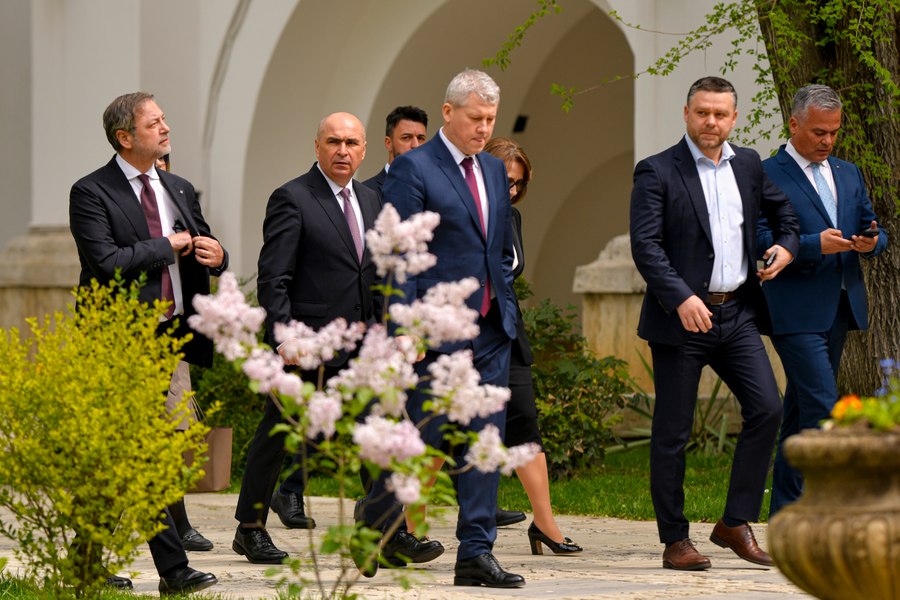
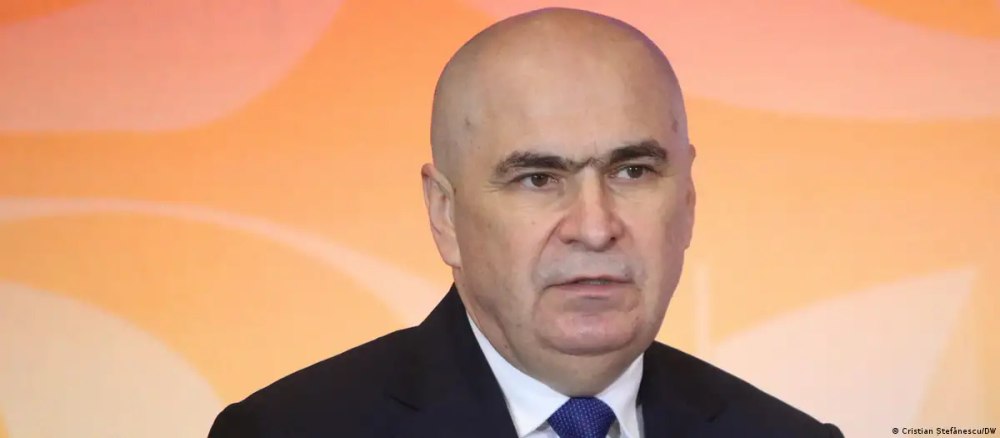
Switzerland's Neue Zürcher Zeitung (NZZ) casts a critical eye on Romania, proclaiming that the nation is once again teetering on the brink of crisis. After a year of relative political calm following the annulment and rerun of presidential elections, the government led by Prime Minister Ilie Bolojan finds itself in an increasingly precarious position. The NZZ highlights the growing influence of the ultranationalist Alliance for the Union of Romanians (AUR), which, according to polls, could capture between 35 and 40 percent of the vote, potentially making it the dominant political force in the country. This surge in support for AUR, a party on the fringes of the political spectrum, mirrors trends seen elsewhere in Europe but carries particular weight in Romania. The article points to an unusual alliance between the Social Democratic Party (PSD) and AUR, which has put forth a no-confidence motion against Bolojan's conservative government. This move signals deep divisions and a potential path towards early elections if stability cannot be restored. The NZZ also revisits the controversy surrounding the presidential elections, noting how the anti-system AUR capitalized on the situation, which plunged the country into a severe political crisis. The publication questions the decisions made by the Constitutional Court judges, suggesting that the campaign for a candidate who glorified Romania's fascist past may have been orchestrated internally by the conservative PNL party, rather than by external actors like Russia, as some investigative journalists have suggested. This analysis underscores a Romanian political theater often characterized by complex maneuvering and lingering suspicions, where the lines between domestic political strategy and external influence can appear blurred. The NZZ's perspective emphasizes that while Romania is an EU member, its internal political dynamics often unfold with a unique intensity and a distinct set of historical and nationalistic undercurrents that may not be fully grasped by international observers.
Romania is once again stepping into crisis.
DistantNews Editorial
Originally published by Adevărul in Romanian. Translated, summarized, and contextualized by our editorial team with added local perspective. Read our editorial standards.
More Stories

From Our Blog

What Gets Lost (and Found) When News Is Translated

The Critical Role of Diaspora Media in Global News

What Travellers Should Know About Countries with Restricted Press

A Digital Nomad's Guide to Following Local News

How the Same Story Looks Different in Different Countries
