

Oil prices fall to pre-Iran war levels amid easing Mideast tensions
Translated from German, summarized and contextualized by DistantNews.
At a glance
News
Sources not specified
Context piece
- Global oil prices have fallen sharply, with Brent crude dropping below $72.48 per barrel.
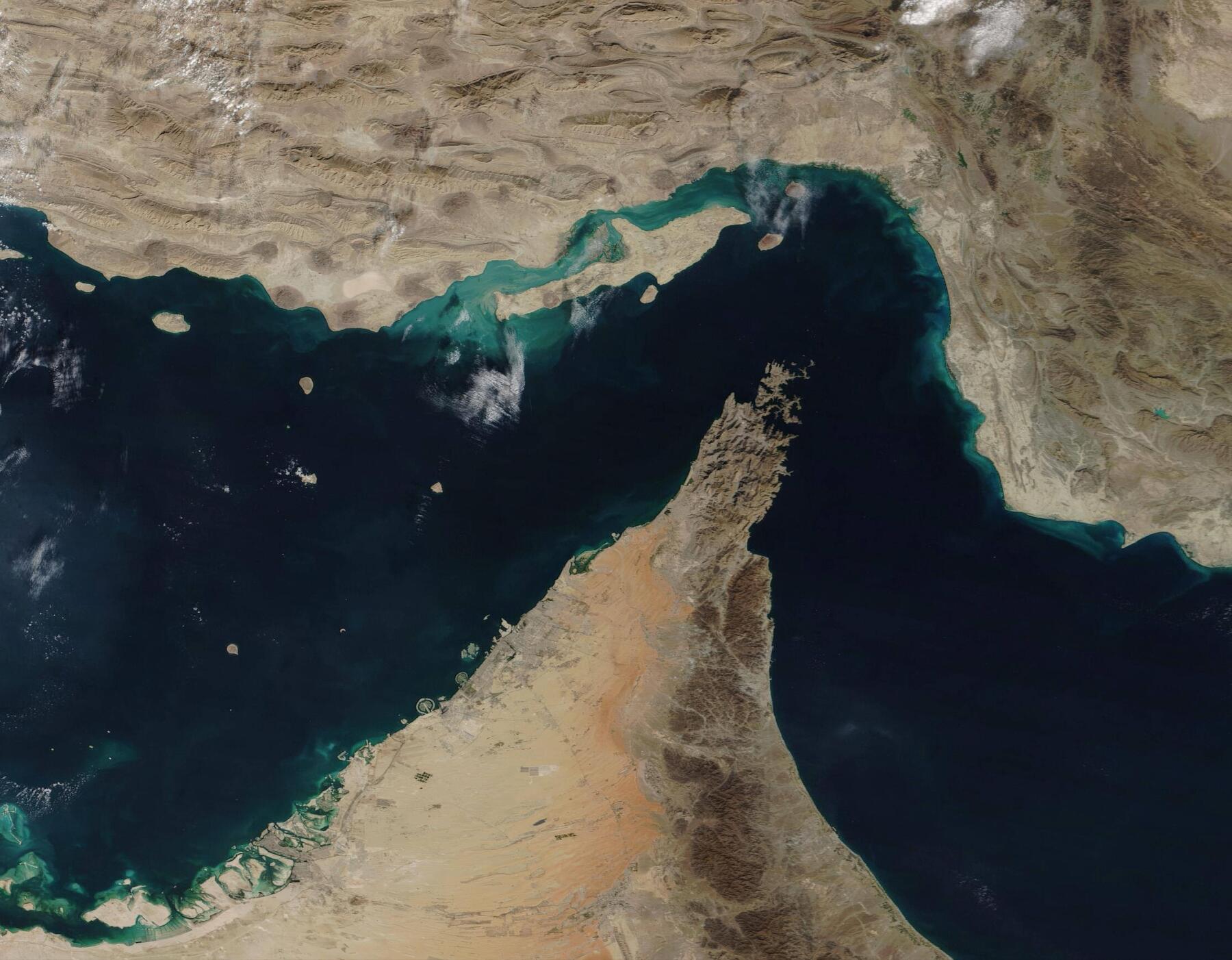
- This price drop is attributed to easing tensions in the Middle East and increased oil tanker traffic through the Strait of Hormuz.
- Analysts are surprised by the speed of the price decline, noting that market expectations have shifted towards greater supply and lower demand.
Global oil prices have experienced a dramatic fall, with Brent crude recently trading below $72.48 per barrel, a level not seen since before the Iran conflict. West Texas Intermediate also hovered around $69. Experts express surprise at the swiftness of this price decline, which has occurred within just two weeks. The market narrative has shifted significantly, with traders now anticipating increased supply and reduced demand.
the idea that we are now heading towards more supply with less demand has really driven the price decline.
The easing of tensions in the Middle East has played a crucial role. Increased oil tanker passage through the Strait of Hormuz has led to better supply from the Middle East and Africa. This improved availability is pushing down prices for physical oil deliveries from various regions. Additionally, a temporary U.S. exemption allowing the purchase of already-loaded Iranian oil could further boost supply, although financing and insurance hurdles remain.
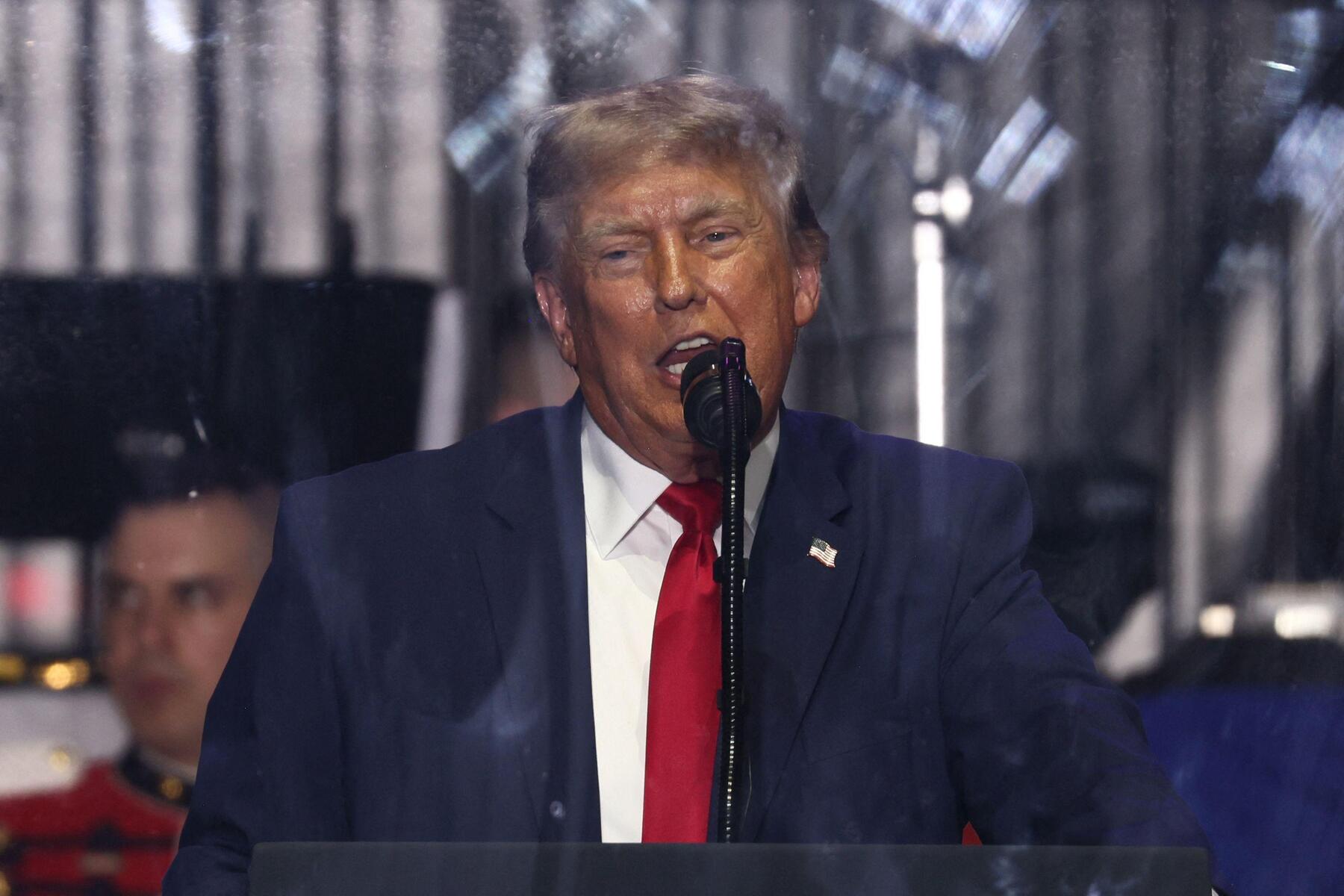
Analysts like Carolyn Kissane from New York University's Center for Global Affairs find the rapid market turnaround "quite astonishing." She notes that the perception of greater supply and lower demand is driving the price drop. However, she cautions that the market may not yet be fully pricing in the risks that the current calm in the region could be short-lived. Concerns also linger about Iran potentially imposing transit fees through the Strait of Hormuz, a move that U.S. President Trump has indicated would be a red line for any final agreement.
it is quite astonishing how much the price and the market narrative have turned around in two weeks.
The rapid reduction in supply bottlenecks is also reflected in inventory levels. U.S. stockpiles in Cushing, Oklahoma, have fallen to around 19 million barrels, below the statutory minimum. China has also significantly drawn down its oil reserves. These depleted reserves will likely need to be replenished in the coming weeks and months, potentially providing some support to oil prices.
transit fees would be a red line for the US negotiations with Tehran.
DistantNews Editorial
Originally published by Die Presse in German. Translated, summarized, and contextualized by our editorial team with added local perspective. Read our editorial standards.
More Stories


From Our Blog

What Gets Lost (and Found) When News Is Translated

The Critical Role of Diaspora Media in Global News

What Travellers Should Know About Countries with Restricted Press

A Digital Nomad's Guide to Following Local News

How the Same Story Looks Different in Different Countries
