


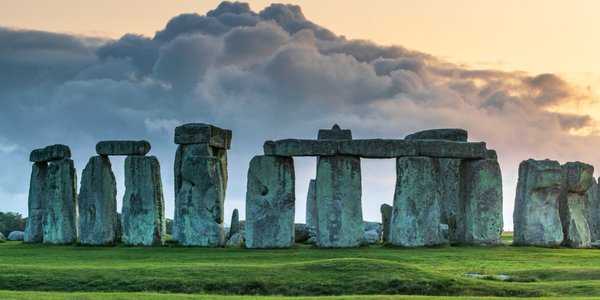
Older version of Stonehenge discovered by archaeologists; predates famous site by 500 years
Translated from Polish, summarized and contextualized by DistantNews.
At a glance
News
Sources not specified
Outcome reported
- Archaeologists discovered remains of a structure in Bulford that predates Stonehenge by 500 years.
- The site may have been used for gatherings and rituals by prehistoric communities.
- Artifacts found at the location provide clues about its use.
Archaeologists have unearthed the remains of a large prehistoric structure in Bulford, England, believed to be approximately 500 years older than the iconic Stonehenge. The discovery sheds new light on the ancient history of the region and the sophisticated societies that inhabited it.
The newly found site consists of a series of large pits arranged in a circular pattern, a design reminiscent of Stonehenge but on a different scale. Found near these pits were various artifacts, including pottery shards and animal bones, which suggest the location served as a significant gathering place for prehistoric communities. Researchers theorize that these gatherings may have involved rituals and ceremonies, indicating a complex social and spiritual life.
This discovery challenges previous understandings of Neolithic and Bronze Age settlements in Britain. It suggests that large-scale communal projects and ritualistic practices were established much earlier than previously thought. The ongoing analysis of the artifacts and the site's layout is expected to provide further insights into the lives, beliefs, and social structures of these ancient peoples. The proximity to Stonehenge also raises questions about potential connections or influences between these two significant ancient sites.
DistantNews Editorial
Originally published by Rzeczpospolita in Polish. Translated, summarized, and contextualized by our editorial team with added local perspective. Read our editorial standards.
More Stories



From Our Blog

What Gets Lost (and Found) When News Is Translated

The Critical Role of Diaspora Media in Global News

What Travellers Should Know About Countries with Restricted Press

A Digital Nomad's Guide to Following Local News

How the Same Story Looks Different in Different Countries
