


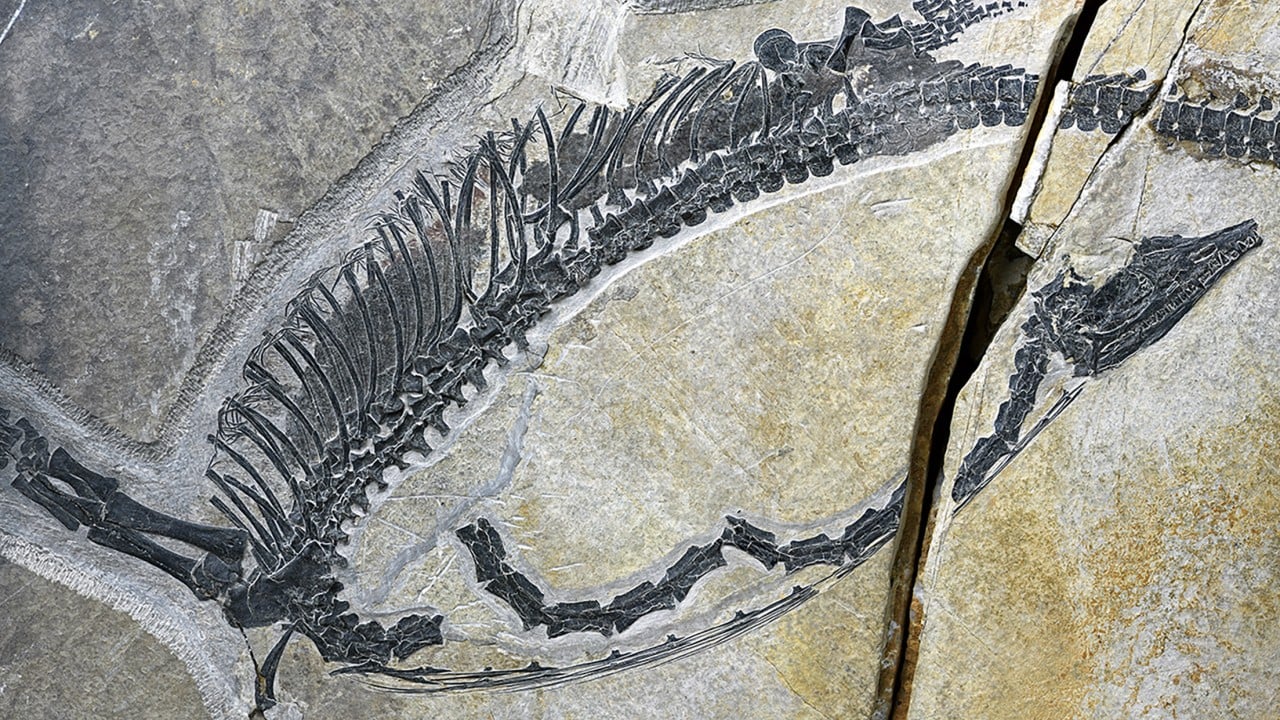
Oldest Preserved Reptile Stomach Found in 240-Million-Year-Old Chinese Fossil
Translated from English, summarized and contextualized by DistantNews.
At a glance
News
Named sources
Context piece
- A 240-million-year-old fossil discovered in China contains the oldest known preserved stomach, liver, and intestinal soft tissue in reptiles.
- The fossil, identified as Austronaga minuta from the Early Triassic period, exhibits specialized aquatic features.
- These findings suggest that the marine colonization of archosaurs occurred earlier and was more extensive than previously understood.
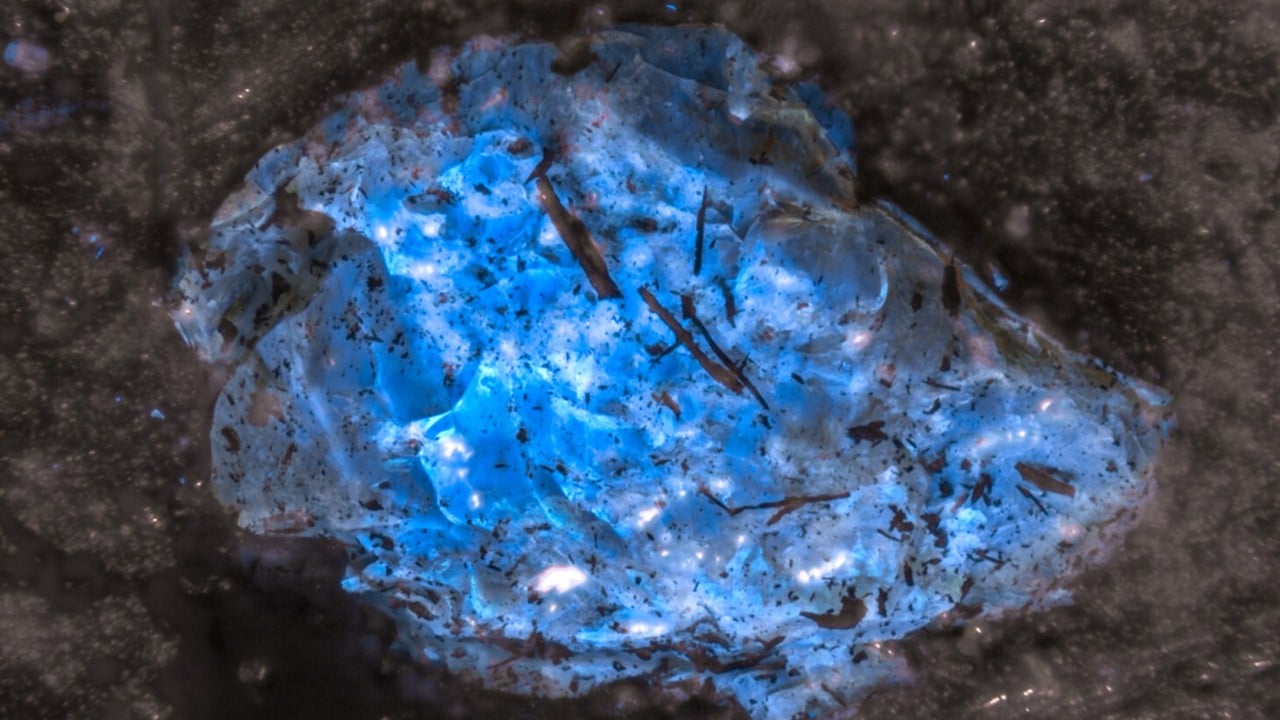
A remarkable fossil unearthed in China is providing unprecedented insights into the early evolution of reptiles, boasting the oldest preserved stomach, liver, and intestinal soft tissue ever found in the species. The 240-million-year-old specimen, dating back to the Early Triassic period, offers a unique window into the transition from land to sea.
The fossil, named Austronaga minuta, possesses highly specialized body features that indicate an aquatic lifestyle. This discovery challenges previous assumptions about the marine colonization of archosaurs, a group of reptiles that includes birds, dinosaurs, and crocodiles. The findings suggest this process began earlier and extended further than scientists had previously believed.
Researchers from the Chinese Academy of Sciences, leading the study published in Science Advances, described the fossil as a "unique opportunity" to understand how Triassic reptiles adapted to aquatic environments. The specimen represents the earliest known stem-archosaur to display clear aquatic specializations, providing crucial evidence for evolutionary studies.
We report on a well-preserved Triassic reptile representing the earliest stem-archosaur to evolve unequivocal aquatic specialisations. The fossil exhibits the oldest known stomach, liver and intestinal preservations in reptiles.
DistantNews Editorial
Originally published by South China Morning Post in English. Translated, summarized, and contextualized by our editorial team with added local perspective. Read our editorial standards.
More Stories


From Our Blog

Countries Without a Free Press: What You Need to Know

What Press Freedom Means for the News You Read

What Gets Lost (and Found) When News Is Translated

The Critical Role of Diaspora Media in Global News

What Travellers Should Know About Countries with Restricted Press
