

Ontario government fights to keep ministerial speeding records secret
Translated from English, summarized and contextualized by DistantNews.
At a glance
News
Named sources
Context piece
- Ontario's government is fighting to keep secret the names of cabinet ministers whose vehicles were caught speeding.
- Lawyers argue that revealing the names would violate personal privacy and expose ministerial travel habits.
- Critics say the public has a right to know which publicly funded vehicles are being used for speeding violations.
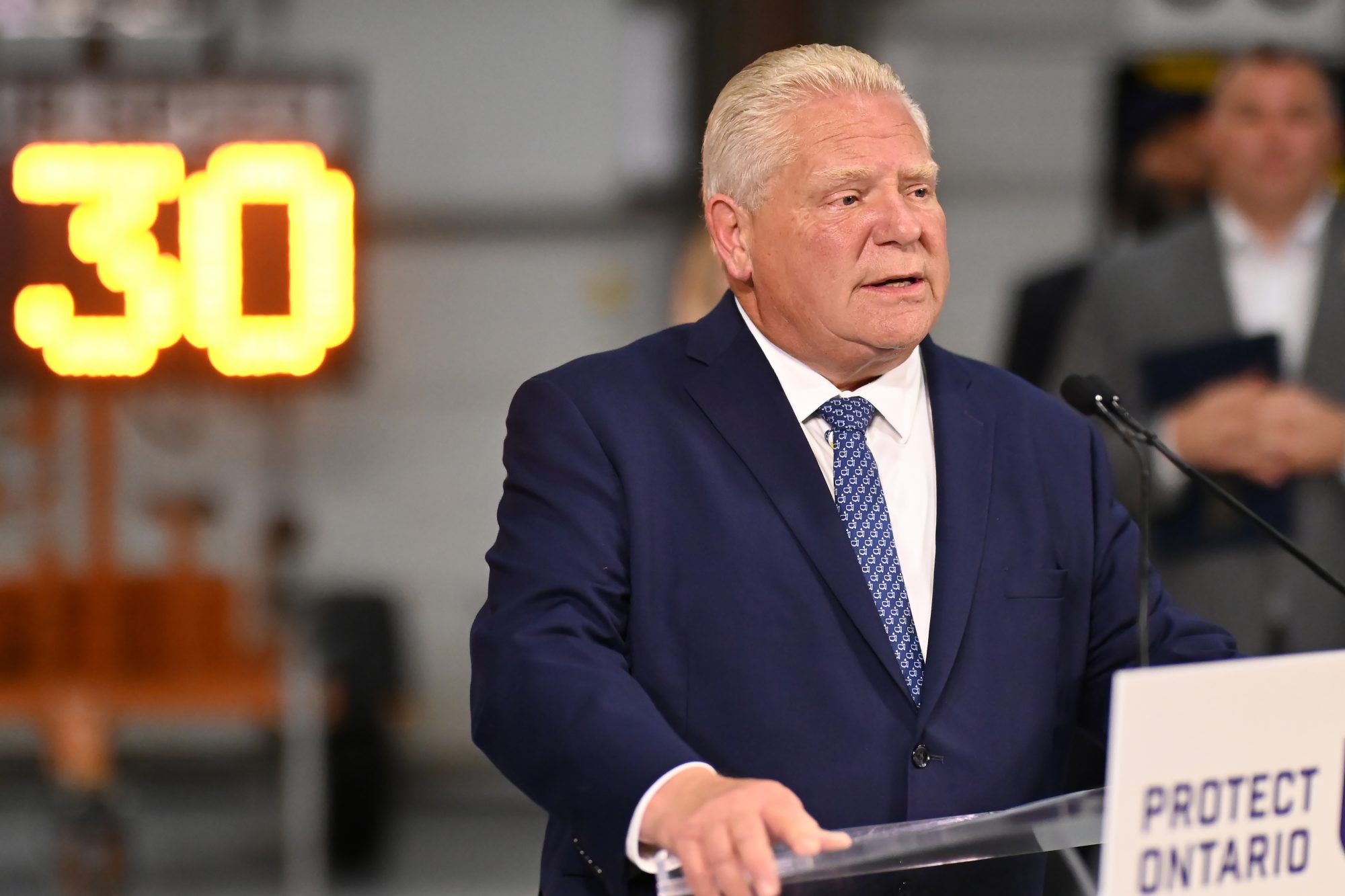
Ontario's government is actively resisting efforts to reveal the identities of cabinet ministers whose vehicles have been caught speeding. Lawyers for the administration are arguing that disclosing these names would infringe upon personal privacy and expose sensitive "travel habits" of ministers. This legal battle stems from freedom of information documents obtained by Global News, which showed that vehicles registered to Premier Doug Ford's cabinet were clocked speeding 23 times over three years, resulting in over $3,300 in fines.
Naming the cabinet ministers whose vehicles were clocked by cameras breaking the speed limit would violate their personal privacy and reveal ministerial “travel habits,” the Ford government is arguing.
The government's defense, submitted to the Information and Privacy Commission, contends that even if ministers weren't driving, the records still reveal personal information about them, including patterns of travel, commuting times, and potentially driving conduct like repeated speeding. They drew a parallel to previous rulings that classify "criminal history" as personal information not subject to public disclosure.
Although persons other than ministers may have been driving the vehicles, the records still reveal information of a personal nature about the ministers, specifically, their travel habits.
However, Ontario NDP Leader Marit Stiles has criticized the government's stance, asserting that the public has a right to know which ministers are associated with speeding violations in publicly funded vehicles. She characterized these vehicles as a perk of office, provided to facilitate ministerial duties. Stiles expressed concern that the government's reluctance to disclose names creates an impression of a double standard and shields ministers from accountability for breaking rules or laws.
It reveals information and identifiable patterns such as: travel conduct, patterns in such conduct, commuting hours, and potentially driving habits and conduct (such as repeated instances of speeding).
The government's legal arguments also highlighted concerns about reputational harm to ministers if the records were released, suggesting that negative inferences could be unfairly drawn about them due to their public status. This defense, however, has been met with skepticism, as critics argue that transparency should prevail when public funds and official vehicles are involved.
In this case, as noted, the records link violations of law and potential violations of law to ministers and, as such, may reveal parts of identifiable persons’ criminal history or driving practices.
DistantNews Editorial
Originally published by Global News in English. Translated, summarized, and contextualized by our editorial team with added local perspective. Read our editorial standards.
More Stories

From Our Blog

What Gets Lost (and Found) When News Is Translated

The Critical Role of Diaspora Media in Global News

What Travellers Should Know About Countries with Restricted Press

A Digital Nomad's Guide to Following Local News

How the Same Story Looks Different in Different Countries
