


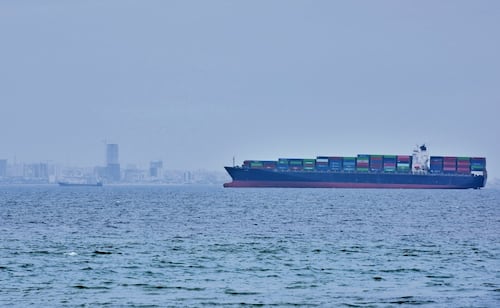
OPEC+ evaluates June oil supply amid market uncertainty
Translated from Spanish, summarized and contextualized by DistantNews.
TLDR
- OPEC+ members are meeting to decide on oil production levels for June amid global energy market volatility.
- The meeting is weakened by the departure of the UAE and influenced by potential normalization of transit through the Strait of Hormuz.
- Past production increases have been largely unapplied due to disruptions, adding uncertainty to the group's decisions.
The Organization of the Petroleum Exporting Countries and its allies (OPEC+) convenes for a crucial virtual meeting to determine June's oil supply, a decision made under the shadow of significant global energy market instability. The group, which includes major producers like Saudi Arabia and Russia, faces the challenge of navigating a landscape shaped by the ongoing conflict in Iran and the consequent disruption of supply chains. This meeting is particularly notable as it includes only seven key producers, with the United Arab Emirates having recently withdrawn, adding another layer of complexity to the deliberations.
Historically, OPEC+ has pursued a strategy of gradual production increases to reintroduce barrels into the market following voluntary cuts implemented in 2023. An agreement was reached to raise output by 2.9 million barrels per day between April and December 2025. However, the effectiveness of these decisions has been hampered, with recent increases of 206,000 barrels per day in April remaining largely unapplied due to the geopolitical tensions and supply interruptions stemming from the conflict in Iran. This situation underscores the delicate balance the group must strike between market stabilization and responding to external shocks.
The departure of the UAE from OPEC+ on May 1st introduces further uncertainty, particularly given the timing and lack of prior coordination with other member nations. This move could signal shifting alliances or strategies among key players in the global oil market. As the world grapples with an energy crisis, the decisions made by OPEC+ will undoubtedly have far-reaching implications, influencing not only global oil prices but also the broader economic recovery and geopolitical landscape. From our perspective in Mexico, understanding these dynamics is crucial for our own energy security and economic planning, as global oil prices directly impact our national budget and development.
DistantNews Editorial
Originally published by El Universal in Spanish. Translated, summarized, and contextualized by our editorial team with added local perspective. Read our editorial standards.
More Stories


From Our Blog

What Press Freedom Means for the News You Read

What Gets Lost (and Found) When News Is Translated

The Critical Role of Diaspora Media in Global News

What Travellers Should Know About Countries with Restricted Press

A Digital Nomad's Guide to Following Local News
