


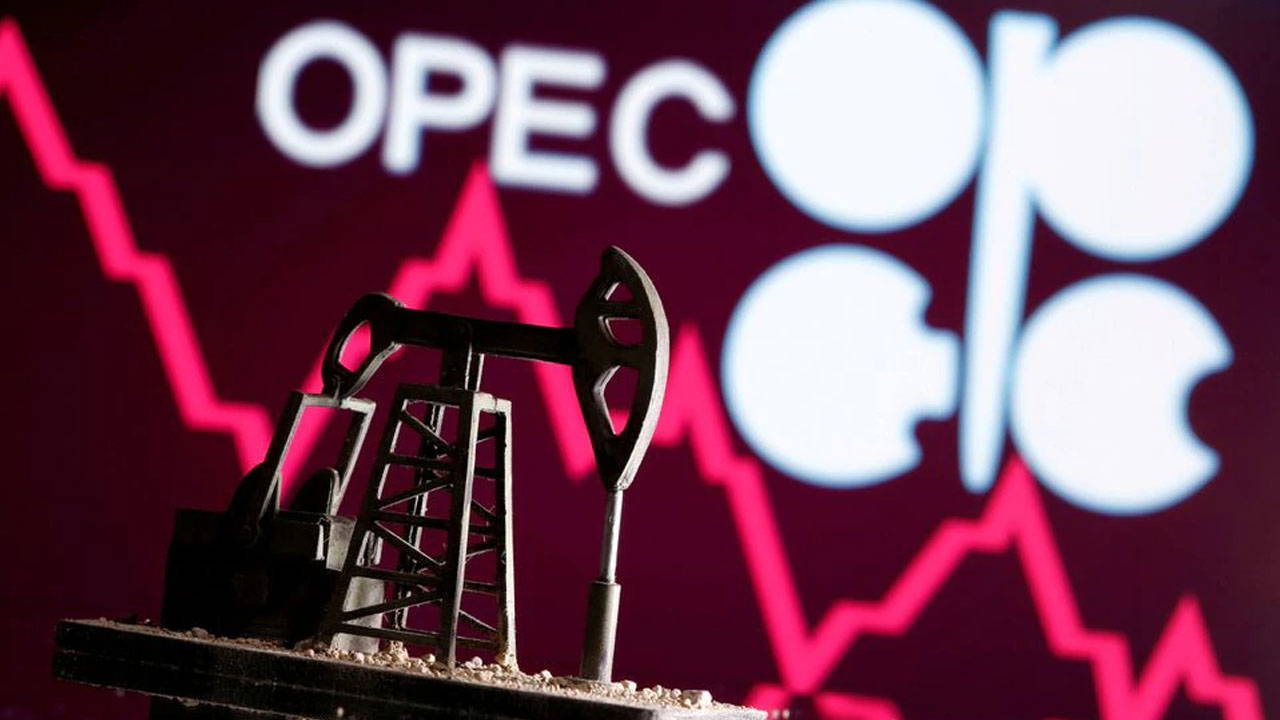
OPEC Faces Rift as UAE Announces Departure Over Quotas
Translated from Turkish, summarized and contextualized by DistantNews.
TLDR
- The United Arab Emirates (UAE) has decided to leave OPEC, effective May 1.
- The UAE cites its production capacity exceeding its quota as the reason for departure.
- This move could impact global oil supply and prices, though immediate effects are minimal.
The global energy landscape is shifting as the United Arab Emirates (UAE) announces its departure from the Organization of the Petroleum Exporting Countries (OPEC). This decision, set to take effect on May 1, stems from the UAE's assertion that its production capacity outstrips its current quota within the organization. For years, OPEC, established in 1960, has been the primary forum for coordinating oil policies among member nations to stabilize global prices. The UAE, a significant producer since joining in 1967, now seeks to independently manage its output. This move is seen as a bid for greater flexibility in the international oil market. While immediate price fluctuations have been modest, experts suggest that an increased UAE production could exert downward pressure on prices in the medium term. This development marks a new chapter for OPEC, raising questions about its future influence and the stability of global energy markets. From Turkey's perspective, as a nation reliant on energy imports and a key player in regional dynamics, monitoring OPEC's internal cohesion and the resulting market impacts is crucial for economic planning and energy security.
DistantNews Editorial
Originally published by Cumhuriyet in Turkish. Translated, summarized, and contextualized by our editorial team with added local perspective. Read our editorial standards.
More Stories


From Our Blog

What Gets Lost (and Found) When News Is Translated

The Critical Role of Diaspora Media in Global News

What Travellers Should Know About Countries with Restricted Press

A Digital Nomad's Guide to Following Local News

How the Same Story Looks Different in Different Countries
