

"Ordinary measures insufficient": Dongtan-Suji and other areas may face expanded regulation
Translated from Korean, summarized and contextualized by DistantNews.
At a glance
News
Sources not specified
Context piece
- South Korea is considering expanding real estate regulations beyond Seoul to areas like Dongtan and Suji, driven by rising property prices and market speculation.
- The government plans to adjust property taxes, including holding taxes and capital gains taxes, and may introduce stricter regulations to curb speculative investment.
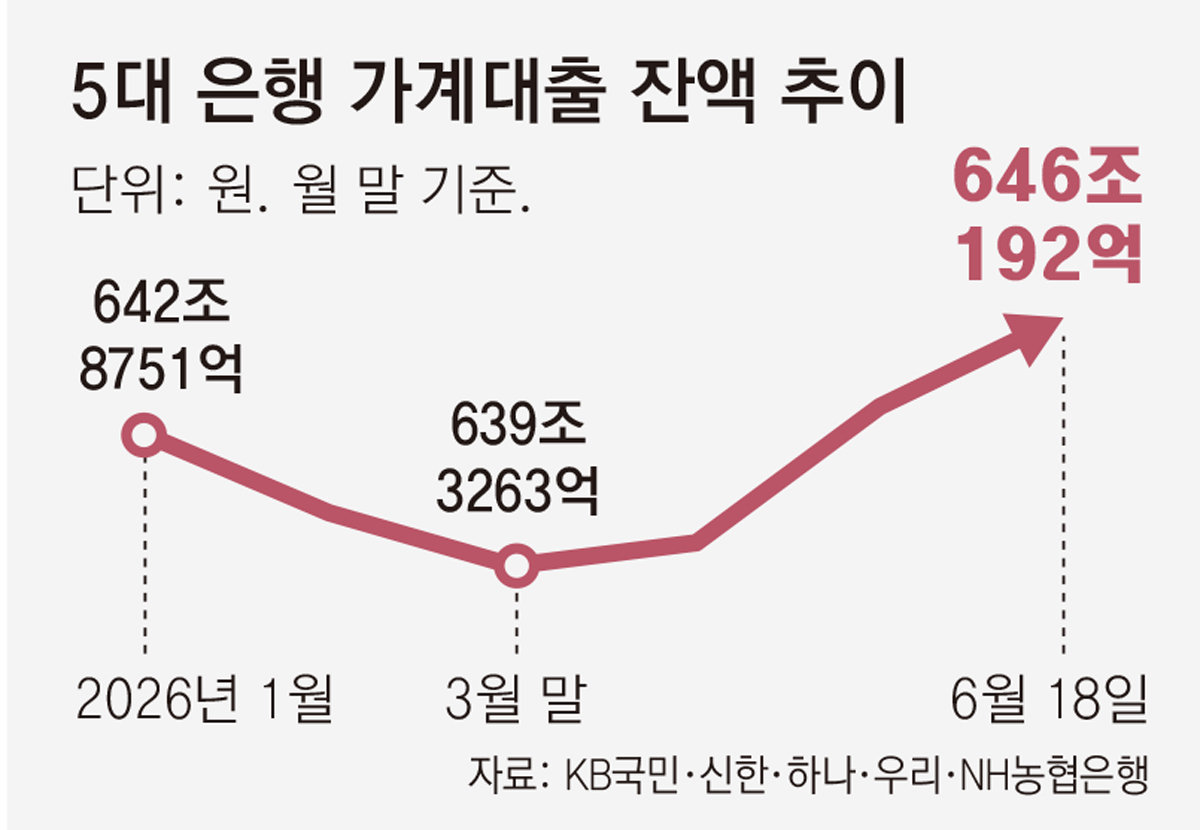
- These potential measures come as a booming semiconductor industry fuels market liquidity, raising concerns about a spillover into the real estate sector.
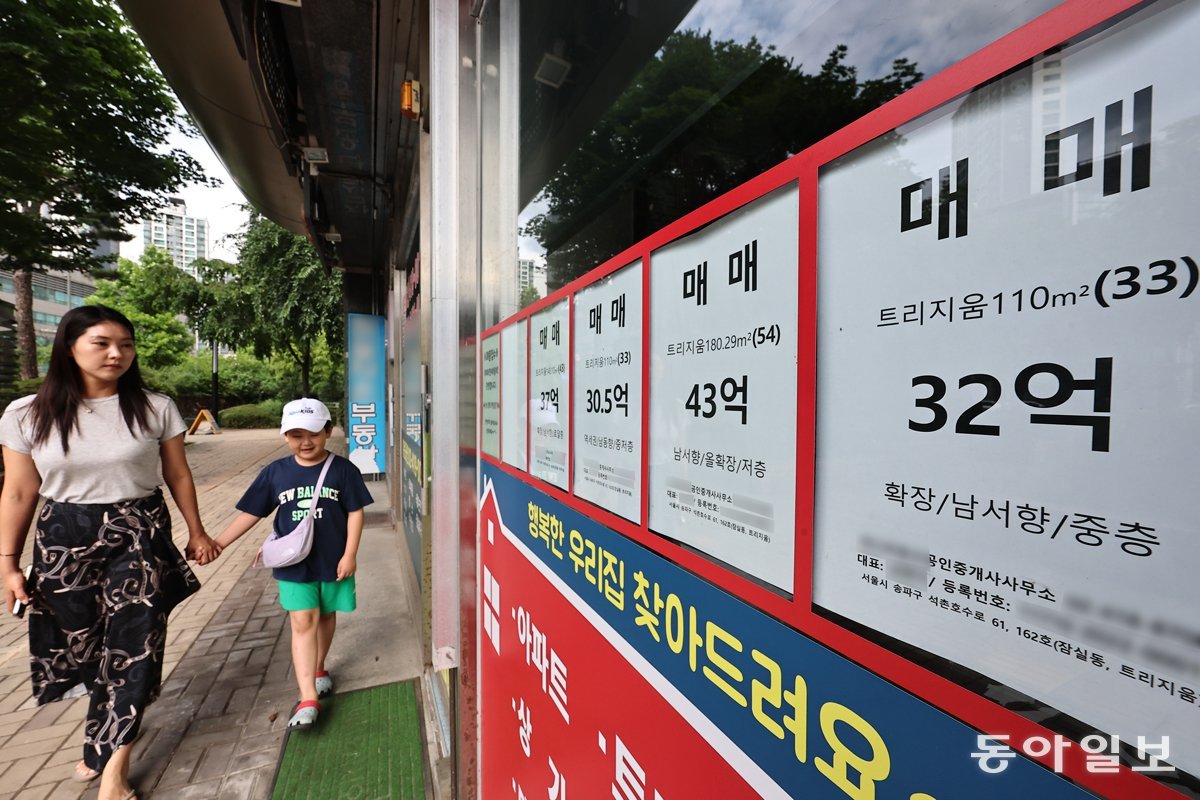
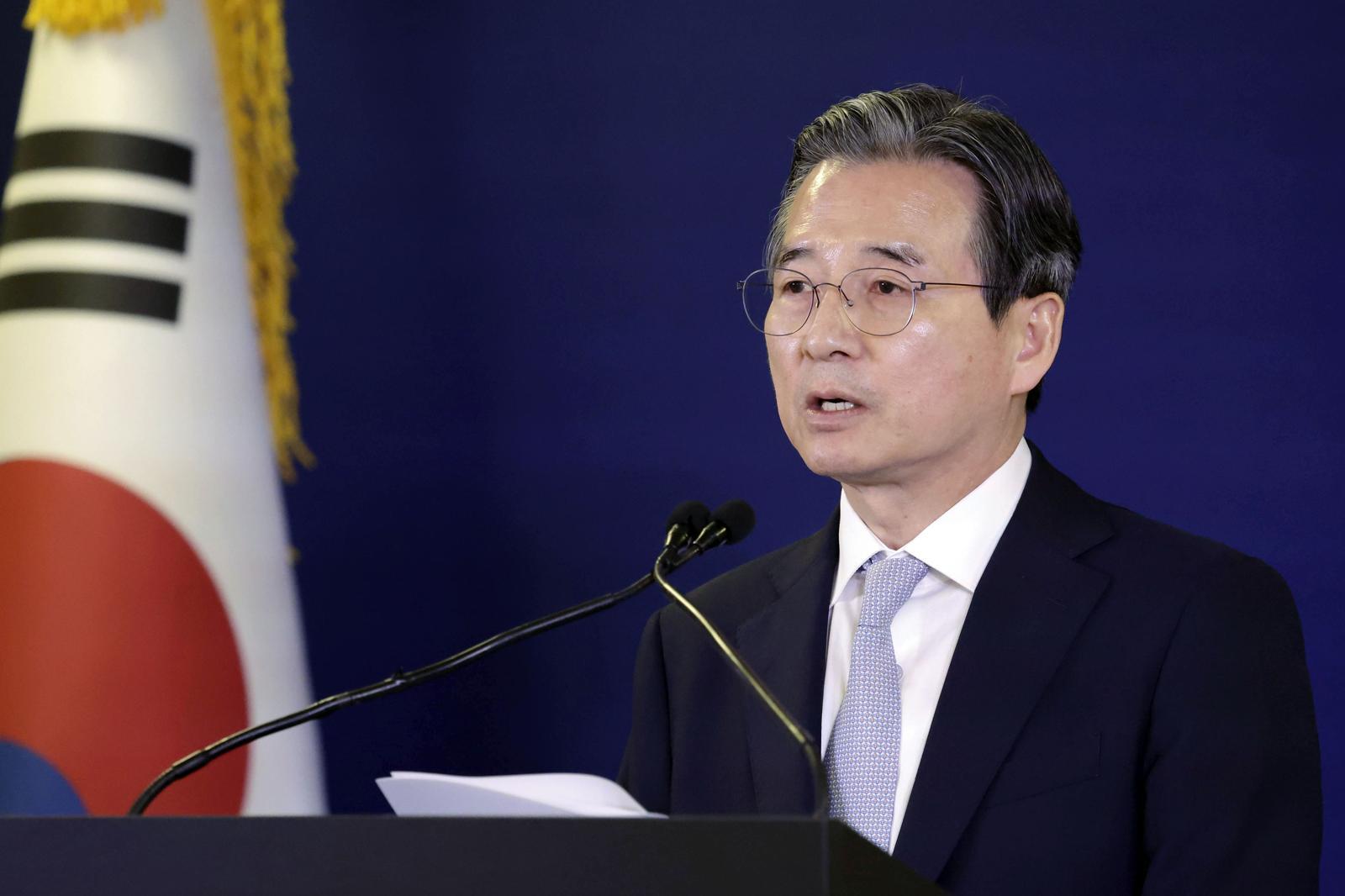
South Korea is contemplating an expansion of real estate regulations to areas outside Seoul, including the burgeoning cities of Dongtan and Suji, as property prices continue to climb and speculative activity intensifies. Presidential Office Chief of Staff Kim Yong-beom hinted at a "real estate stabilization card" involving significant regulatory measures, suggesting that current controls might not be sufficient to manage the market.
If people are confident that they can profit even after paying taxes, ordinary regulations may be insufficient.
Kim emphasized the need for "rational adjustments" to property holding taxes and capital gains taxes, signaling a potential overhaul of the real estate tax system. He expressed concern that "if people are confident that they can profit even after paying taxes, ordinary regulations may be insufficient." This suggests the government is preparing for high-intensity measures to prevent liquidity from the booming semiconductor industry from flowing into the real estate market and inflating prices further.
The government is reportedly finalizing tax reform plans for release next month, which could include expanding designated regulatory zones. These zones, currently encompassing Seoul and parts of Gyeonggi Province, might be extended to include areas like Dongtan and Suji, known for their high concentration of semiconductor industry workers and recent surges in property transactions and prices.
Money has a tendency to flow into the real estate market. The real challenge is the year-end and early next year.
Kim noted that "people with cash are likely to move" in the latter half of the year, especially as corporate performance improves and bonuses become clearer. He warned that the real challenge lies in the year-end and early next year. The government is considering strengthening holding taxes for high-priced, non-resident-owned single-family homes and potentially reducing benefits from long-term holding special deductions for capital gains taxes. Increasing the fair market value ratio used for tax assessments is also a likely measure, which would effectively raise comprehensive real estate taxes without requiring separate legislative changes.
People with cash are likely to move.
DistantNews Editorial
Originally published by Dong-A Ilbo in Korean. Translated, summarized, and contextualized by our editorial team with added local perspective. Read our editorial standards.
More Stories
From Our Blog

What Gets Lost (and Found) When News Is Translated

The Critical Role of Diaspora Media in Global News

What Travellers Should Know About Countries with Restricted Press

A Digital Nomad's Guide to Following Local News

How the Same Story Looks Different in Different Countries
