

Seoul rentals: supply shortage worst in 5 years
Translated from Korean, summarized and contextualized by DistantNews.
At a glance
News
Sources not specified
Context piece
- Seoul's rental market faces its worst supply shortage in five years, with the imbalance between supply and demand mirroring levels seen in 2021.
- Nearly half of all Seoul rental transactions in May and June were contract renewals, indicating tenants' difficulty in finding new properties.
- The shortage is attributed to a decrease in new construction starts in 2022-2023 and a reduction in available rental properties as multi-homeowners sold units.
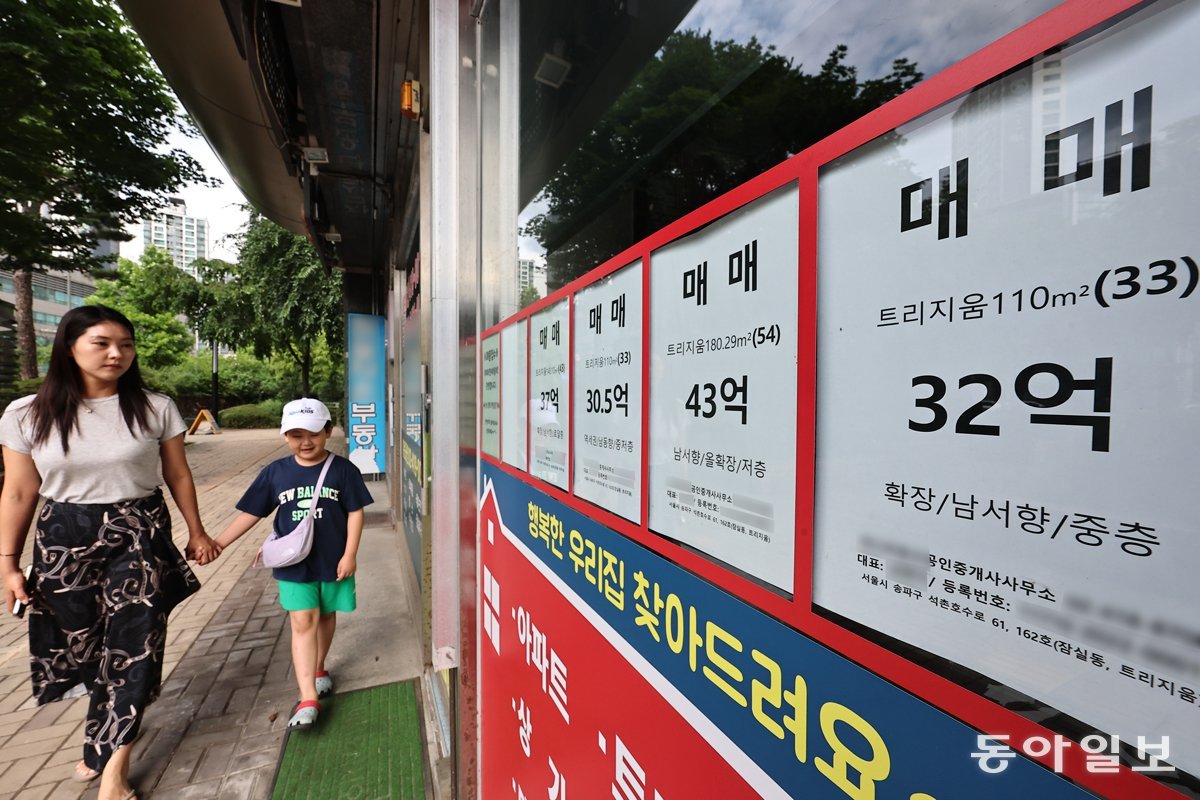
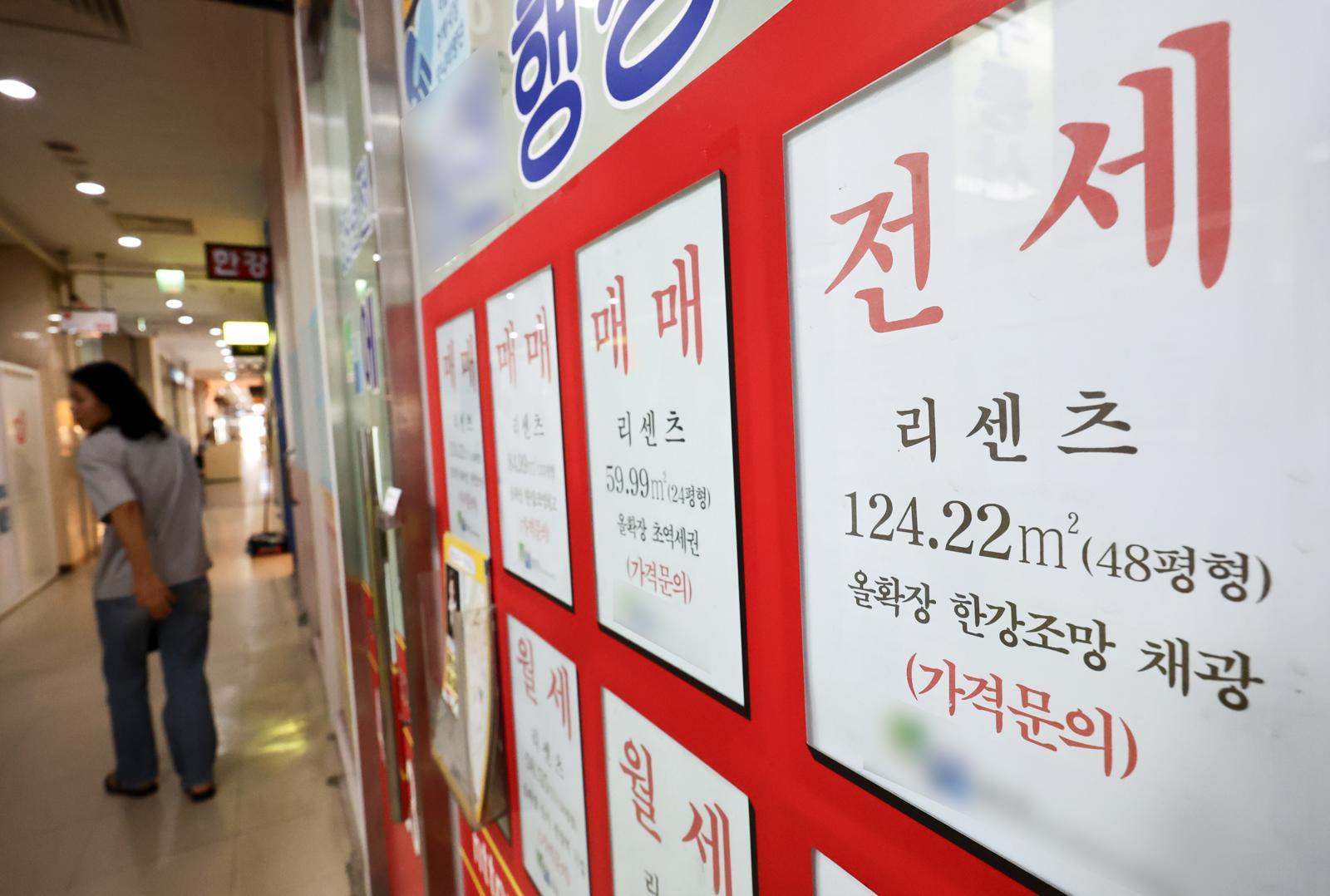
Seoul's rental market is experiencing a severe shortage of available properties, with the imbalance between supply and demand reaching its worst point in five years. The situation now mirrors the conditions seen in February 2021, when similar rental regulations were in effect. This scarcity has led to rising rental prices and a significant increase in contract renewals, with nearly half of all rental transactions in Seoul during May and June involving existing tenants renewing their leases.
Data from the Korea Real Estate Board shows that the Seoul apartment jeonse (lump-sum deposit) supply-demand index reached 122.5 in the second week of June, the highest since February 2021. This index, which is based on a scale of 100, indicates a significant deficit in supply relative to demand. The index has been steadily increasing for 12 consecutive weeks since late March. Similarly, the monthly wolse (monthly rent) supply-demand index rose to 114.8 in May, up from 109.7 the previous month, further highlighting the ongoing supply instability.
This tightening rental market is forcing many tenants to forgo moving and renew their current leases. According to data from the Ministry of Land, Infrastructure, and Transport, nearly 49% of the 23,913 apartment rental transactions in Seoul between May 1 and the current date were renewals. This is a substantial increase from the same period last year, when only 37.2% of transactions were renewals.
The root cause of the current rental crunch is believed to be the reduced volume of new construction that began in 2022 and 2023. Additionally, a policy change on May 10, which increased taxes on capital gains for multi-homeowners, prompted many to sell their properties. This has further reduced the supply of homes available for rent. Experts predict that rental and sales prices in Seoul will continue to rise in tandem due to this persistent supply-demand imbalance.
The supply of multi-homeowner properties has disappeared from the rental market due to strengthened residency requirements, and the supply-demand imbalance continues because supply is not being supported. The phenomenon of rental and sales prices rising together throughout Seoul is expected to continue for some time.
DistantNews Editorial
Originally published by Dong-A Ilbo in Korean. Translated, summarized, and contextualized by our editorial team with added local perspective. Read our editorial standards.
More Stories
From Our Blog

What Gets Lost (and Found) When News Is Translated

The Critical Role of Diaspora Media in Global News

What Travellers Should Know About Countries with Restricted Press

A Digital Nomad's Guide to Following Local News

How the Same Story Looks Different in Different Countries
