

South Korea signals property tax hikes by year-end
Translated from Korean, summarized and contextualized by DistantNews.
At a glance
News
Sources not specified
Context piece
- South Korea's presidential policy chief indicated a potential increase in property taxes within the year, aligning with President Lee Jae-myung's emphasis on higher property tax burdens.
- The official suggested that adjustments to both holding and capital gains taxes are necessary and appropriate, with specific attention to multi-home owners and high-value single-home owners.
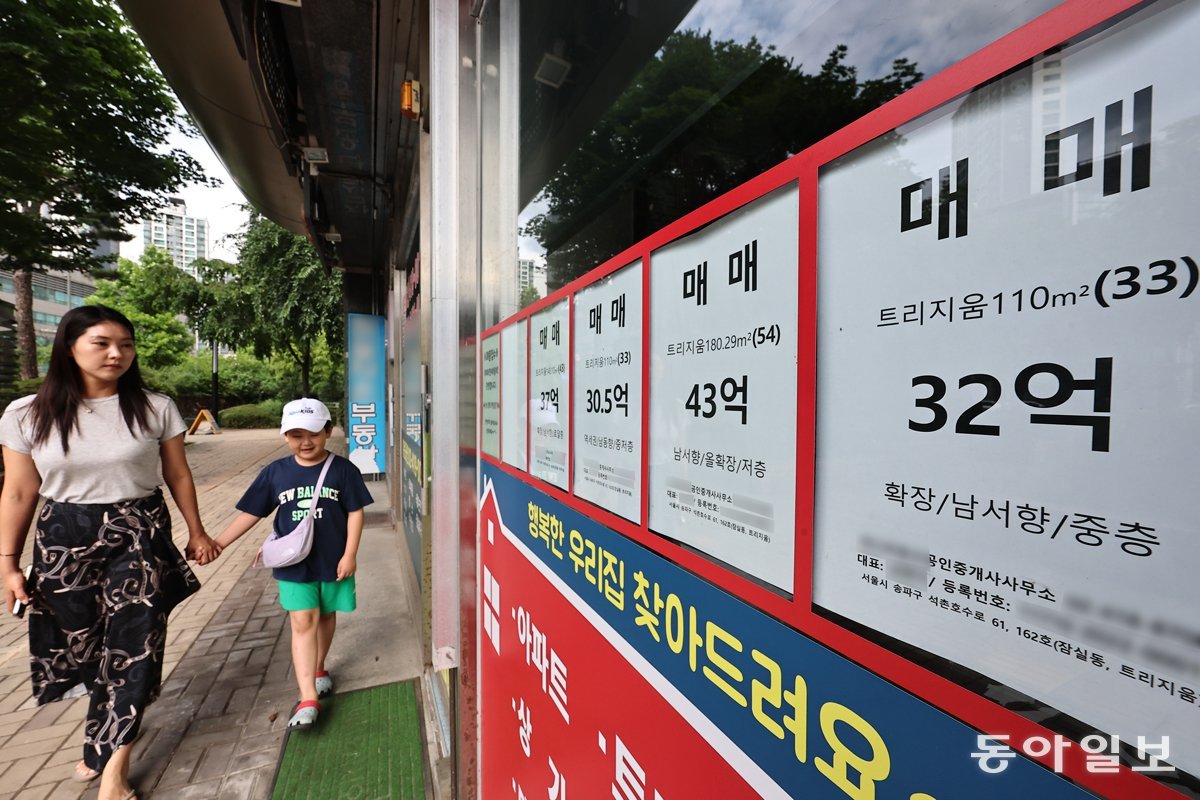
- This move is seen as a formalization of plans to raise property taxes by year-end, potentially including changes to long-term holding special deductions for capital gains taxes.
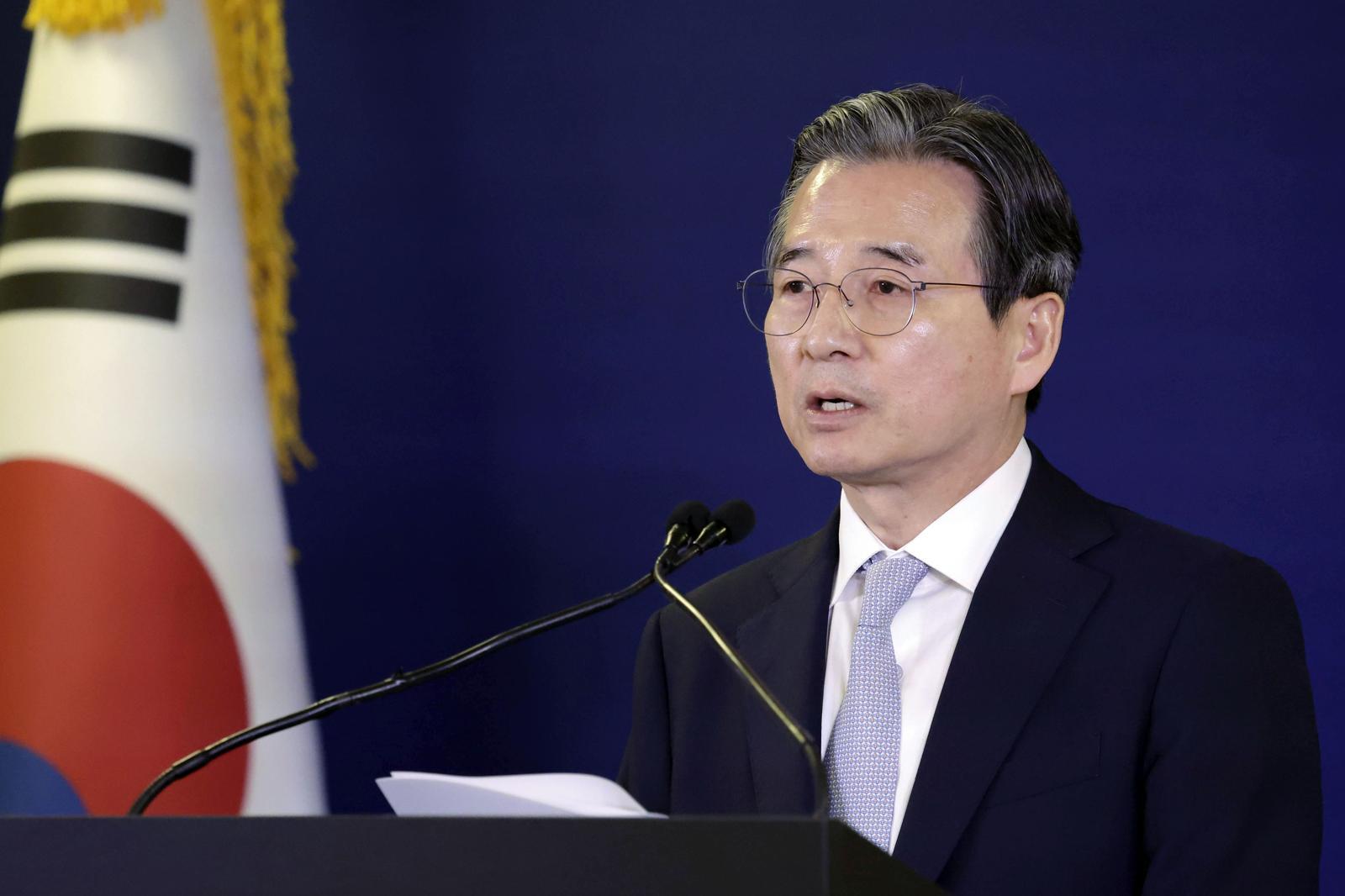
South Korea's presidential policy chief, Kim Yong-beom, has signaled a strong likelihood of property tax hikes before the year ends. This aligns with President Lee Jae-myung's recent remarks emphasizing the need for property tax burdens comparable to those in developed nations.
Property taxation needs to be normalized. Reasonably adjusting holding and capital gains taxes is necessary and the right direction.
Kim stated on Facebook that the "real tough period is the end of the year and early next year." He pointed to economic indicators, noting that while real GDP grew 3.8% in the first quarter, real gross national income (GDI) surged by 13.2%. This suggests a significant amount of money will soon be available to households and businesses, potentially fueling the need for tax adjustments.
The real tough period is the end of the year and early next year.
The government is expected to unveil a tax reform package next month. This package is anticipated to include measures to increase holding taxes for owners of multiple properties and very high-value single homes. Additionally, changes to the long-term holding special deduction for capital gains taxes could lead to stricter taxation for non-resident single-home owners. The policy chief's comments suggest a move towards normalizing real estate taxation, aiming for a more equitable distribution of the tax burden.
This heralds that the money that will soon enter the hands of households and businesses is much larger than statistics show.
DistantNews Editorial
Originally published by Dong-A Ilbo in Korean. Translated, summarized, and contextualized by our editorial team with added local perspective. Read our editorial standards.
More Stories
From Our Blog

What Gets Lost (and Found) When News Is Translated

The Critical Role of Diaspora Media in Global News

What Travellers Should Know About Countries with Restricted Press

A Digital Nomad's Guide to Following Local News

How the Same Story Looks Different in Different Countries
