


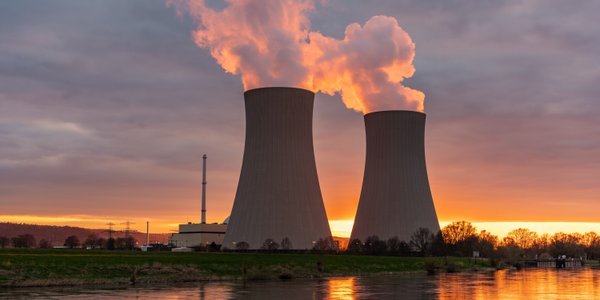
Orlen and Synthos venture seeks EU's first SMR contract for difference
Translated from Polish, summarized and contextualized by DistantNews.
At a glance
News
Official statement
New plan
- Orlen Synthos Green Energy (OSGE) applied for the European Union's first Small Modular Reactor (SMR) contract for difference.
- The application supports 14 GE-Hitachi BWRX-300 units in three Polish locations: Włocławek, Stawy Monowskie, and Stalowa Wola.
- This contract aims to secure funding for the SMR fleet, reduce costs through economies of scale, and build a domestic supply chain for nuclear technology.
Orlen Synthos Green Energy (OSGE), a joint venture between Polish energy giant Orlen and chemical company Synthos, has submitted a bid for the European Union's first contract for difference (CfD) for Small Modular Reactors (SMRs). The application seeks support for 14 GE-Hitachi BWRX-300 units planned across three sites in Poland: Włocławek, Stawy Monowskie near Oświęcim, and Stalowa Wola.
A contract for difference is a financial mechanism designed to support energy projects. It guarantees a certain price for electricity produced. If market prices fall below this agreed-upon reference price, the government compensates the producer for the difference. Conversely, if market prices exceed the reference price, the producer repays the difference to the government. This model aims to provide financial stability and attract investment in new energy technologies.
OSGE's CEO, Rafał Kasprów, stated that the CfD would enable the construction of a fleet of BWRX-300 reactors, leading to cost reductions through standardization and modularity. He believes this will create an attractive electricity price for consumers and industry, while also fostering a robust domestic supply chain for SMRs. The company has already secured key permits for the planned units, with the first reactor expected to begin operation in Włocławek by 2032. OSGE ultimately plans to build a total of 26 SMRs in Poland.
Kontrakt różnicowy dla 14 jednostek umożliwi nam budowę floty reaktorów BWRX-300 w Polsce. Dzięki efektowi skali, standaryzacji, modularyzacji oraz powtarzalności uzyskamy obniżenie kosztów jednostkowych, a w efekcie stworzymy atrakcyjny cenowo dla odbiorcy indywidualnego i przemysłowego model wytwarzania energii elektrycznej. Jednocześnie akceptacja kontraktu różnicowego będzie znaczącym krokiem w kierunku budowy w Polsce solidnego łańcucha dostaw dla SMR-ów
DistantNews Editorial
Originally published by Rzeczpospolita in Polish. Translated, summarized, and contextualized by our editorial team with added local perspective. Read our editorial standards.
More Stories
From Our Blog

What Gets Lost (and Found) When News Is Translated

The Critical Role of Diaspora Media in Global News

What Travellers Should Know About Countries with Restricted Press

A Digital Nomad's Guide to Following Local News

How the Same Story Looks Different in Different Countries
