


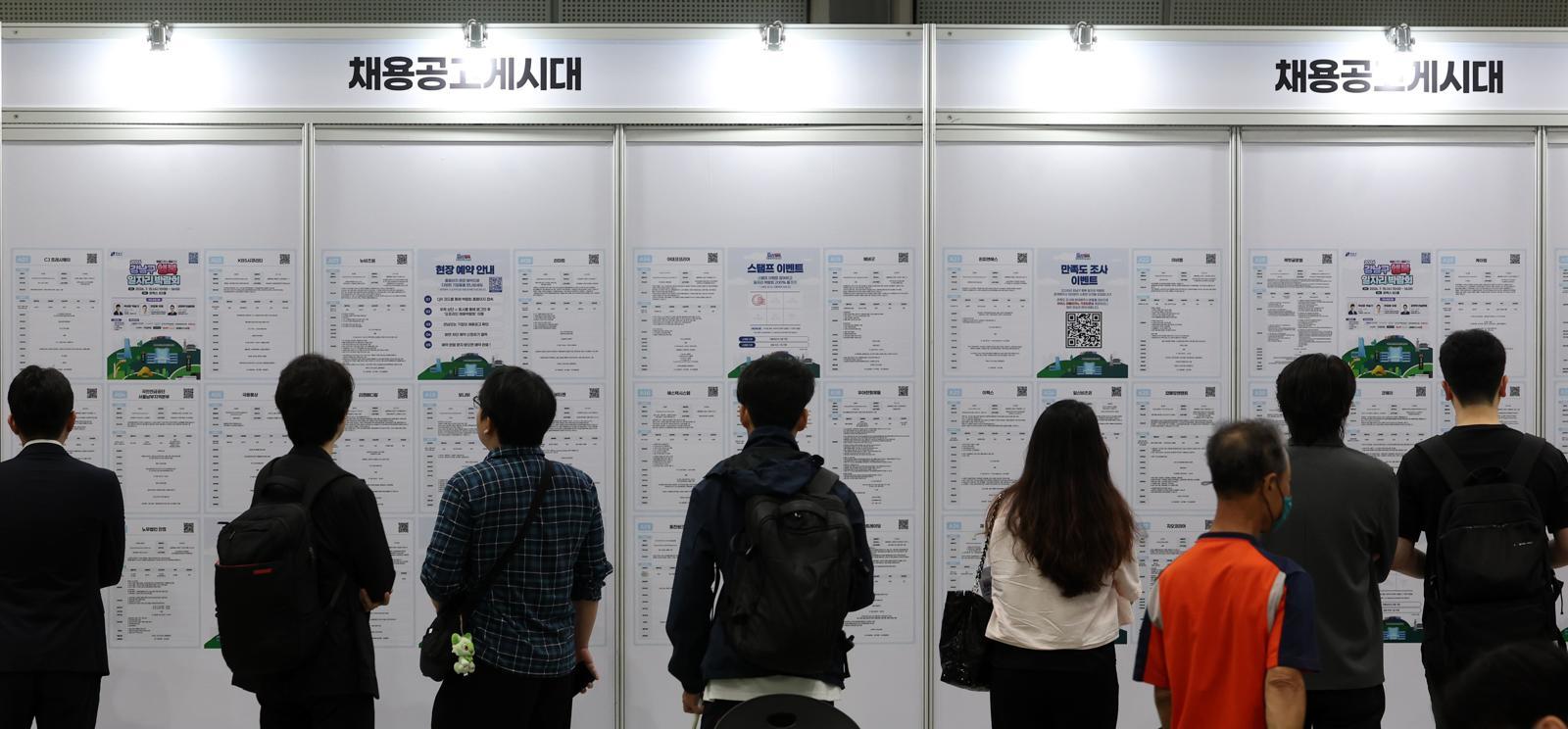
Over half of young job seekers in South Korea believe AI will replace their jobs within 5 years
Translated from Korean, summarized and contextualized by DistantNews.
At a glance
News
Sources not specified
Context piece
- Over half of young Koreans surveyed believe their current or desired jobs will be replaced or reduced by AI within five years.
- Job seekers expressed higher concern about AI's impact on employment than those already employed.
- Young people also worry about a widening gap in skills and income due to AI, fearing reduced opportunities for career advancement.
A significant majority of young Koreans are apprehensive about the future of their employment, with more than half believing their current or desired jobs are likely to be replaced or diminished by artificial intelligence within the next five years. A survey conducted by Monoriseach on behalf of the Korea Economic Research Institute revealed that 53.9% of respondents aged 19 to 34 hold this view.
The concern is particularly pronounced among those actively seeking employment. Among the 315 unemployed respondents, 63.8% expressed high concern about AI's impact, compared to 49.4% of employed individuals. This suggests that those yet to enter the workforce are more acutely aware of and worried about potential job displacement.
Beyond direct job replacement, young Koreans also harbor anxieties about the growing disparity in AI proficiency and its subsequent effect on career competitiveness and income. While 64.7% agreed that AI could enhance professional expertise and career competitiveness, a substantial 53.6% expressed concern about falling behind due to differing AI skill levels. This fear is amplified by the belief that AI's automation of entry-level tasks could limit opportunities for aspiring professionals to develop advanced skills, potentially widening the gap between high-skilled and low-skilled workers.
In response to these concerns, young Koreans suggested several measures to stabilize the job market. Key proposals include strengthening support for companies hiring new graduates (23.8%), expanding opportunities for entry-level and new-graduate experience (23.7%), enhancing AI skills training for young people (19.8%), and improving working conditions in sectors facing labor shortages (15.9%). Lee Sang-ho, head of the economic division at the Korea Economic Research Institute, recommended supplementing existing youth employment support programs to include training in AI utilization and providing experience in entry-level roles.
DistantNews Editorial
Originally published by Dong-A Ilbo in Korean. Translated, summarized, and contextualized by our editorial team with added local perspective. Read our editorial standards.
More Stories



From Our Blog

What Gets Lost (and Found) When News Is Translated

The Critical Role of Diaspora Media in Global News

What Travellers Should Know About Countries with Restricted Press

A Digital Nomad's Guide to Following Local News

How the Same Story Looks Different in Different Countries
