

Pakistan assures oil firms weekly pricing to stay, but industry warns of investment flight
Translated from English, summarized and contextualized by DistantNews.
At a glance
News
Named sources
Context piece
- Pakistan's Petroleum Division assured oil companies that future price adjustments will use actual import premiums, maintaining the weekly pricing mechanism.
- Oil marketing companies (OMCs) warned that frequent changes to the pricing formula have deterred foreign investment and eroded profitability.
- OMCs also raised concerns about smuggled diesel and the Oil and Gas Regulatory Authority withholding claims, impacting working capital.
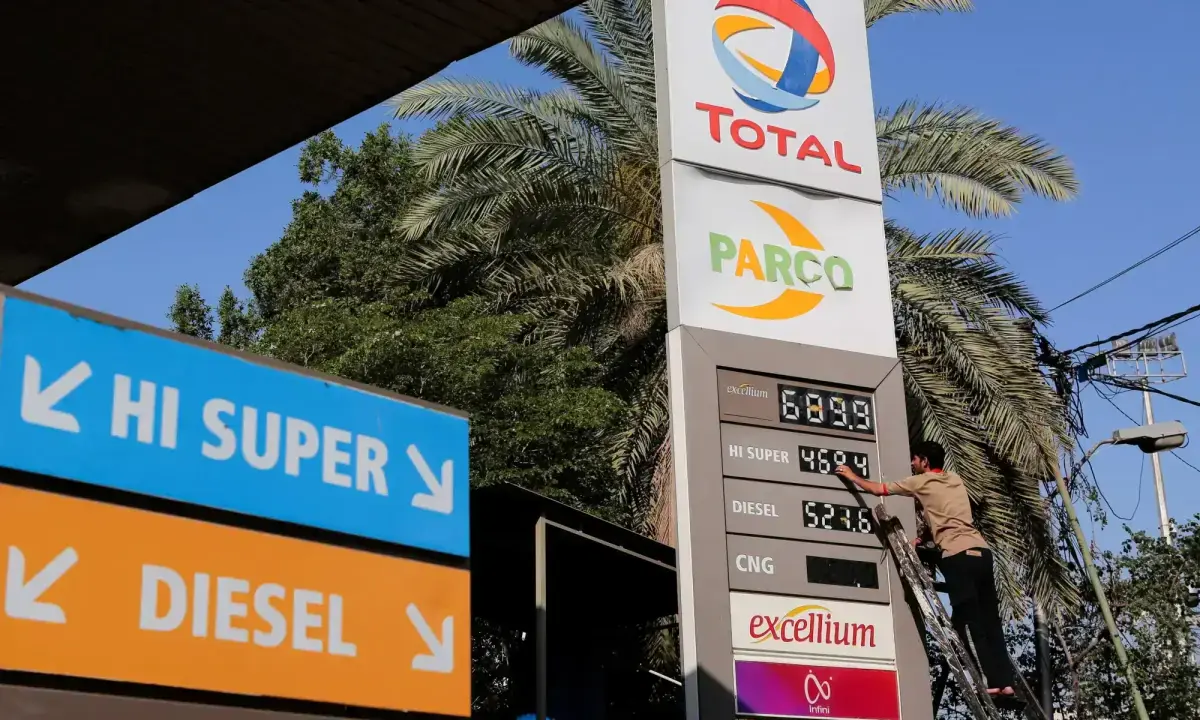
Pakistan's Petroleum Division has assured oil-marketing companies (OMCs) and refineries that upcoming price adjustments for petroleum products will be based on actual import premiums, while the weekly pricing mechanism will remain in place. This assurance aims to minimize losses incurred by recent policy shifts.
frequent changes to the pricing formula, seven times for diesel and four times for petrol in the past three months, had shattered the oil industry.
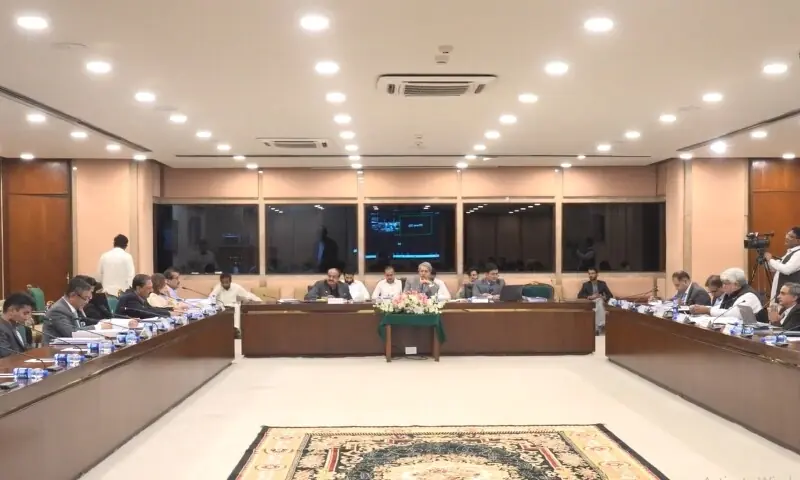
During a meeting, Petroleum Minister Ali Pervaiz Malik and Secretary Hamed Yaqoob Shaikh informed OMC CEOs that the weekly pricing mechanism would not change in the near future. They specified that petrol pricing would be based on an import premium of $15.85 per barrel for the latest cargo from Pakistan State Oil (PSO), and diesel pricing would continue to be benchmarked on PSO's import premium from Kuwait Petroleum, approximately $5-6 per barrel.
foreign investment could not be expected under such conditions
However, industry representatives voiced strong concerns. Asif Iqbal, chairman of the Oil Companies Advisory Council (OCAC), reported that frequent revisions to the pricing formula, seven for diesel and four for petrol in the past three months, have destabilized the oil industry. He warned that such volatility discourages foreign investment. Executives from companies like Cynergico Petroleum and Wafi Energy highlighted significant losses and the potential exit of foreign investors due to these unpredictable pricing changes.
his UAE-based principals were shocked to learn that their subsidiary had suffered losses in a single price change greater than profits earned over more than a year.
Further issues raised included the impact of smuggled high-speed diesel (HSD) and the Oil and Gas Regulatory Authority (Ogra) withholding over Rs66 billion in price differential claims. These withheld claims create working capital challenges, exacerbated by banks imposing higher foreign exchange charges. The industry largely demanded the restoration of the pre-war pricing mechanism, warning that the current formula could jeopardize profitability and impact working capital. Refinery representatives also protested the government's decision to reclaim a 2.5% deemed duty intended for upgrades.
Wafi’s major foreign investors may consider exiting and said he would not be able to help retain them.
DistantNews Editorial
Originally published by Dawn in English. Translated, summarized, and contextualized by our editorial team with added local perspective. Read our editorial standards.
More Stories
From Our Blog

What Gets Lost (and Found) When News Is Translated

The Critical Role of Diaspora Media in Global News

What Travellers Should Know About Countries with Restricted Press

A Digital Nomad's Guide to Following Local News

How the Same Story Looks Different in Different Countries
