


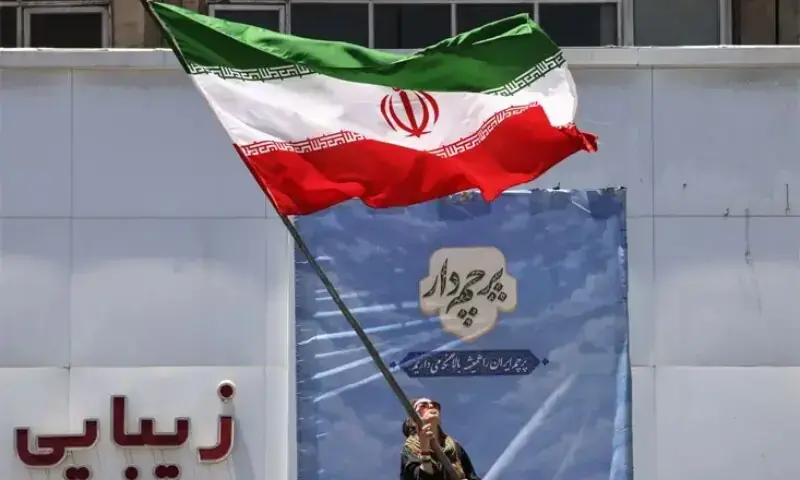
Unwinding Iran sanctions a complex, lengthy task for US
Translated from English, summarized and contextualized by DistantNews.
At a glance
News
Sources not specified
New plan
- The US announced a 60-day reprieve from sanctions on Iran, potentially granting Tehran billions in relief.
- Unwinding over four decades of complex US, international, and private-sector sanctions faces significant legal, political, and commercial hurdles.
- Removing sanctions would mark a major policy shift, requiring congressional approval for some measures and potentially facing corporate caution.
The United States has announced a 60-day reprieve from sanctions on Iran, a move that could provide Tehran with billions of dollars in economic relief. However, dismantling the intricate web of sanctions, which have been in place for over four decades, presents formidable legal, political, and commercial challenges that could take years to resolve.
The core issue is whether a temporary agreement can lead to lasting economic benefits for Iran. The sanctions regime is a complex structure involving US law, international measures, and concerns within the private sector. Since the late 1970s, the UN, US, and EU have imposed sanctions and trade embargoes, freezing assets due to Iran's nuclear program, human rights record, and alleged support for regional militant groups.
A memorandum of understanding between the US and Iran outlines a 60-day period, extendable, for Washington to begin abolishing all sanctions types, with a final deal to be negotiated. The US Treasury has issued a temporary license allowing the trade of Iranian crude oil and petrochemical products through August 21. A complete removal of remaining sanctions would signify a dramatic reversal of US policy in the Middle East, which has historically focused on curbing Iran's influence and weakening its government through financial pressure.
Such a reversal would be difficult to achieve. Some measures require executive action, while others necessitate congressional approval. Close coordination with the UN and other sanctioning countries would also be essential. Furthermore, companies, hesitant after decades of restrictions, might temper the impact of any policy change. "You have this tangled nest of sanctions, and it’s not just executive orders, it’s congressional sanctions," noted Juan Zarate, a former deputy national security adviser. Congress has historically been skeptical, having passed numerous sanctions laws since 1979. While presidents can rescind executive orders, congressionally mandated sanctions, such as those related to Hamas and Hezbollah, would require legislative action, and lawmakers have already voiced strong criticism of the interim deal.
You have this tangled nest of sanctions, and it’s not just executive orders, it’s congressional sanctions.
DistantNews Editorial
Originally published by Dawn in English. Translated, summarized, and contextualized by our editorial team with added local perspective. Read our editorial standards.
More Stories

From Our Blog

What Gets Lost (and Found) When News Is Translated

The Critical Role of Diaspora Media in Global News

What Travellers Should Know About Countries with Restricted Press

A Digital Nomad's Guide to Following Local News

How the Same Story Looks Different in Different Countries
