

Pakistan Goods Transporters Strike Continues for Third Day Amidst Deadlocked Talks
Translated from English, summarized and contextualized by DistantNews.
At a glance
News
Named sources
Ongoing story
- Goods transporters in Pakistan continue their strike for a third day, impacting cargo movement nationwide.
- Key demands include increasing permissible weight limits for trucks, monthly diesel price revisions, and changes to customs duties and income tax.
- Talks between transporters and the government are ongoing, with the Karachi Chamber of Commerce and Industry offering to mediate.
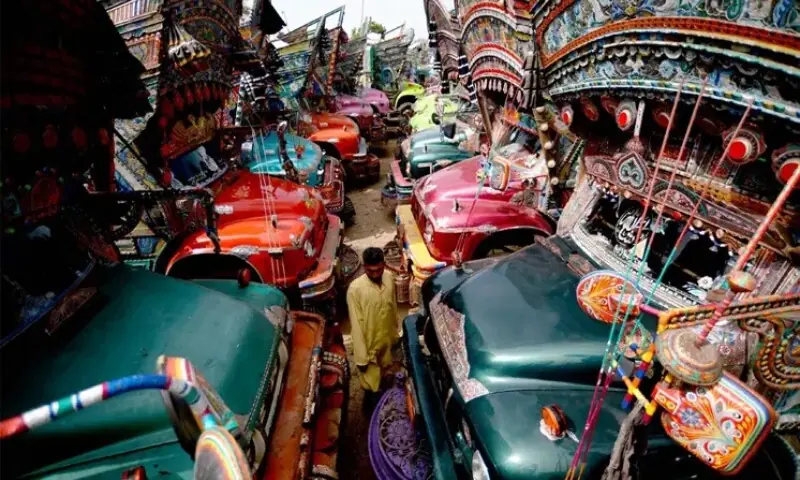
A nationwide strike by goods transporters in Pakistan has entered its third consecutive day, significantly disrupting the movement of cargo across the country. The "wheel-jam" strike, which began Friday night, has seen trucks, oil tankers, and trailers parked at terminals, leading to concerns about industrial production, supply chains, and exports.
Negotiations between the striking transporters and the government have been ongoing, but a deadlock persists primarily over fuel pricing and taxes. Transporters have presented three main demands: an increase in the permissible weight limit for 10-wheeler vehicles from 27.5 to 35 tonnes, a reduction in toll tax rates, and a shift to monthly revisions for diesel pricing instead of daily adjustments. They also seek changes to customs duties and income tax.
We have clearly presented our position before the government and will not show any flexibility on it. The government had to accept the transporters’ demands for the strike to end.
The government's negotiating team, including the Communications Minister and Petroleum Minister, met with representatives of the All Pakistan Goods Transport Ittehad alliance. Advocate Mohammad Owais Chaudhry, a spokesman for the alliance, stated that transporters have clearly presented their position and will not show flexibility, emphasizing that the government must accept their demands for the strike to end.
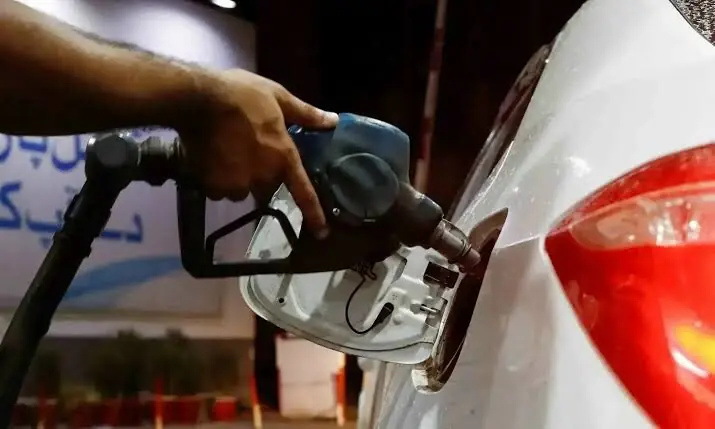
A senior government official noted that daily fuel price adjustments are due to international market volatility. However, the government is considering lowering toll taxes for heavy vehicles and potentially amending axle load regulations. The Karachi Chamber of Commerce and Industry has offered to mediate the dispute, warning that the continued suspension of cargo movement could severely impact Pakistan's economy.
the daily fuel adjustment had been made due to volatility in international markets and was not a local issue. However, the government was considering lowering toll tax for heavy vehicles, while the axle load could also be amended.
DistantNews Editorial
Originally published by Dawn in English. Translated, summarized, and contextualized by our editorial team with added local perspective. Read our editorial standards.
More Stories

From Our Blog

What Gets Lost (and Found) When News Is Translated

The Critical Role of Diaspora Media in Global News

What Travellers Should Know About Countries with Restricted Press

A Digital Nomad's Guide to Following Local News

How the Same Story Looks Different in Different Countries
