

Pakistan, Saudi Arabia, Turkey agree on NATO-style defense alliance
Translated from Finnish, summarized and contextualized by DistantNews.
At a glance
News
Named sources
Context piece
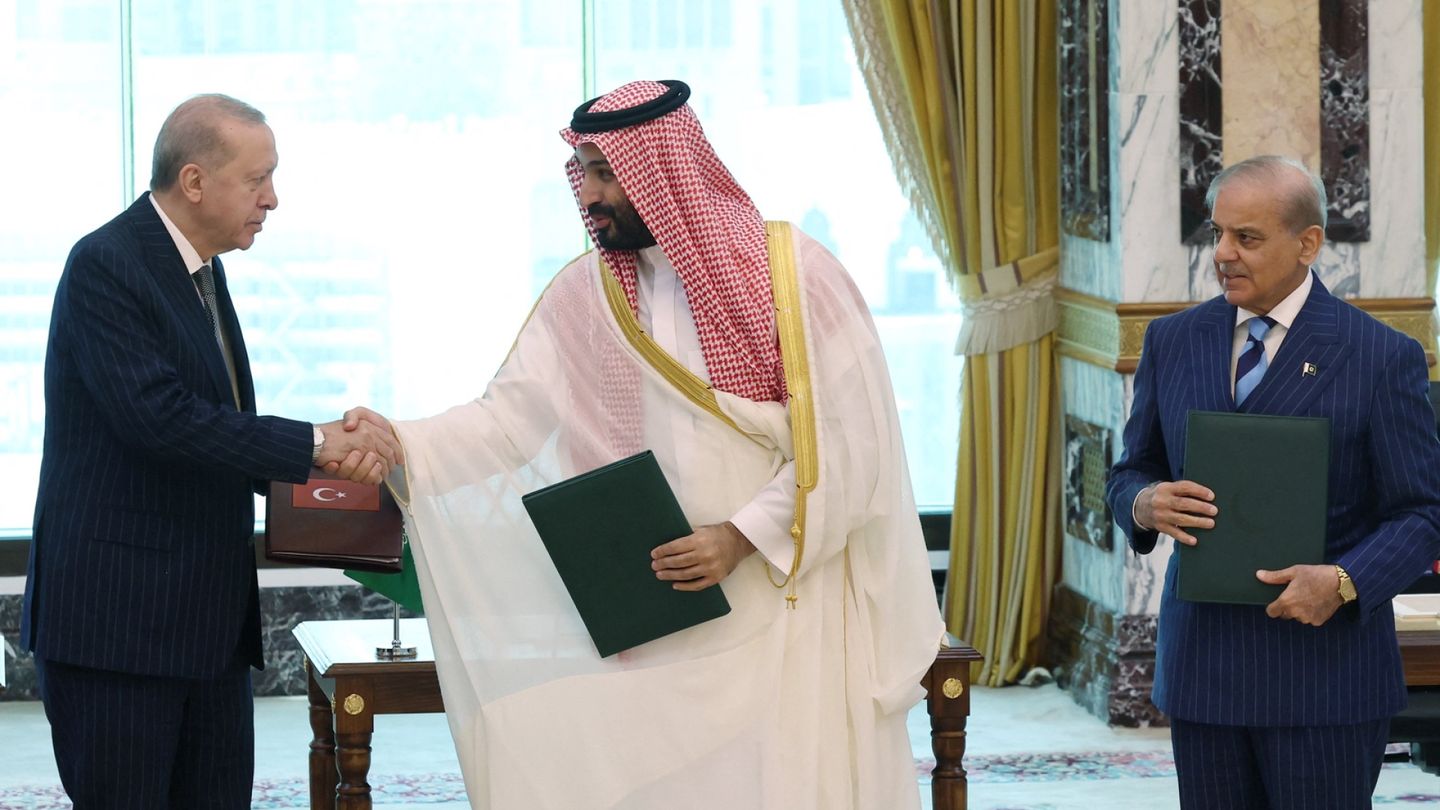
- Pakistan, Saudi Arabia, and Turkey signed a defense pact in Mecca, establishing a NATO-style mutual defense agreement.
- The alliance, involving three US allies, gains new tension due to the ongoing Iran war, with Saudi Arabia having hostile relations with Iran.
- The pact aims to strengthen regional influence and potentially offer an alternative to US security assurances, though it is not explicitly directed against any specific country.
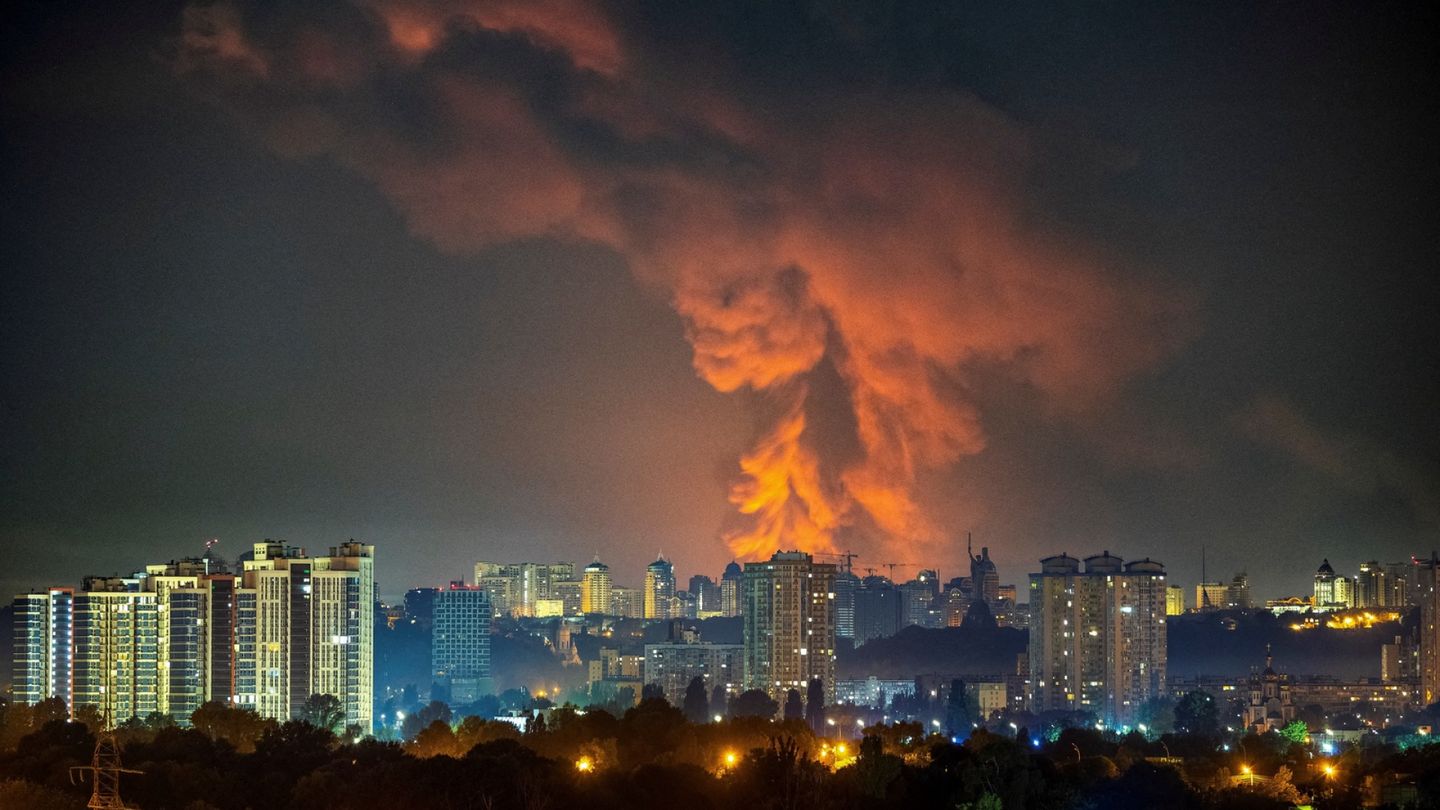
Pakistan, Saudi Arabia, and Turkey have signed a defense agreement in Mecca, establishing a mutual defense pact that mirrors NATO's Article 5, where an attack on one member is considered an attack on all. This alliance, uniting three key US partners, introduces a new layer of tension amid the ongoing war involving Iran.
Saudi Arabia maintains hostile relations with Iran due to the conflict, while Pakistan has played a mediating role in US-Iran peace talks. The agreement was signed in Mecca, Islam's holiest city, and notably, all three nations have Sunni Muslim majorities, contrasting with Iran's Shia majority.
Details on the specific commitments and obligations for mutual defense were not elaborated in the agreement, according to Reuters. The pact is not explicitly directed against any entity, and other regional nations are welcome to join. It also does not supersede existing bilateral or international agreements.
Turkey is already a NATO member, while Saudi Arabia and Pakistan established their own bilateral defense agreement in September of the previous year. The strengthening of Saudi-Pakistani cooperation was partly influenced by the perceived lack of a strong US response to attacks on Saudi oil facilities in 2019, which the US and its allies attributed to Iran, a claim Iran denies.
The geopolitical landscape in the Middle East has been in flux. Iran and Saudi Arabia restored diplomatic ties in 2023 through Chinese mediation, though the current war has strained these relations. Iran has launched numerous missile and drone attacks against Saudi Arabia since February 28, and Iran-backed Houthi rebels in Yemen have targeted Saudi oil tankers in the Red Sea. Saudi Arabia, alongside the US and allies, has retaliated by bombing Iran-backed groups in Iraq and the Houthis. Iran's actions have disrupted oil and gas traffic in the Strait of Hormuz, while Houthi attacks impact shipping in the Persian Gulf, increasing global economic uncertainty. For Turkey and Saudi Arabia, this new defense alliance may serve to bolster their regional influence and provide an alternative to US security commitments.
DistantNews Editorial
Originally published by Helsingin Sanomat in Finnish. Translated, summarized, and contextualized by our editorial team with added local perspective. Read our editorial standards.
More Stories


From Our Blog

What Gets Lost (and Found) When News Is Translated

The Critical Role of Diaspora Media in Global News

What Travellers Should Know About Countries with Restricted Press

A Digital Nomad's Guide to Following Local News

How the Same Story Looks Different in Different Countries
