


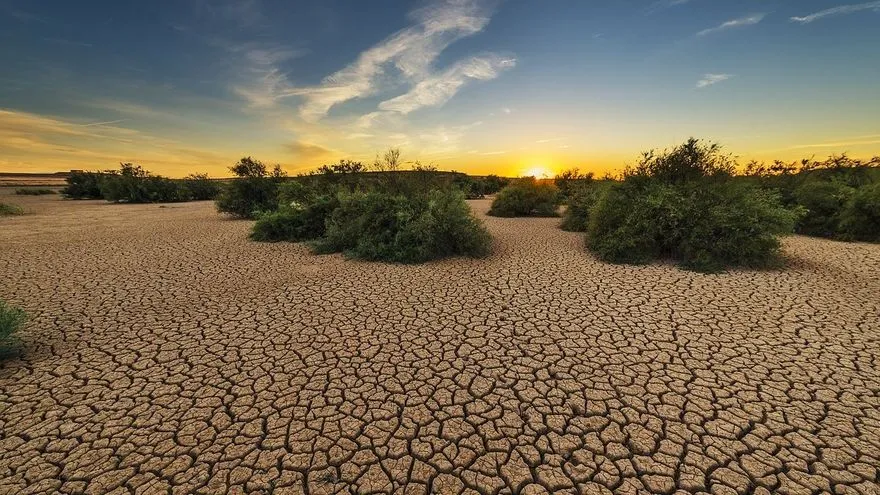
Panama Adjusts Climate Strategy Amid Intensifying El Niño and La Niña Events
Translated from Spanish, summarized and contextualized by DistantNews.
TLDR
- Panama's Ministry of Environment is adjusting its strategy to anticipate and respond to increasingly intense climate variability, particularly El Niño and La Niña events.
- Climate change has altered traditional patterns, making predictable cycles difficult and increasing the intensity and frequency of extreme weather events.
- The Ministry uses tools like "climate change scenarios" to aid long-term planning across sectors, acknowledging that impacts vary regionally, with droughts in the Pacific and excess rain in the Caribbean.
Panama, situated in a region highly susceptible to climatic shifts, is proactively adapting its strategies to confront the escalating impacts of climate variability. The Ministry of Environment's National Adaptation Plan stands as a crucial bulwark against the unpredictable nature of phenomena like El Niño and La Niña, events whose intensity and frequency are being amplified by global climate change.
Hoy en día hablamos del evento niño o niña. Ya sabemos que no es un fenómeno, es un evento natural que se da periódicamente.
René López, former coordinator of the National Adaptation Plan, emphasizes that these are not mere cyclical phenomena but natural events whose patterns have been disrupted. The traditional predictability of weather cycles, once a cornerstone for sectors like agriculture, has been rendered unreliable. Monitoring the Pacific Ocean's temperature is key, with even a 0.5-degree Celsius increase signaling an "El Niño" event, potentially escalating to "intense" or "super" levels.
Hoy en día hablar de una frecuencia estable del evento (…) es bastante complicado.
Currently, international reports indicate a transition to a neutral phase, with expectations of El Niño's full intensity arriving soon and persisting for months. This has tangible consequences, particularly for agricultural production, where traditional planting cycles are no longer dependable. To address this, Mi Ambiente has developed "climate change scenarios for Panama," a vital tool for long-term planning that assesses vulnerability across different territories and sectors.
Si hablamos de un incremento de temperatura de 0.5 grados, ya estamos hablando de un evento niño.
From our vantage point at TVN Panamá, this proactive approach is essential. While international discourse often focuses on global climate trends, the localized impacts are what truly matter to our communities. The dual challenge of drought in the Pacific and excessive rainfall in the Caribbean demands a nuanced, integrated planning strategy. Our nation's vulnerability underscores the importance of these national adaptation efforts, ensuring that Panama can better withstand and respond to the climate challenges that lie ahead, safeguarding our environment and our economy.
Una vez incrementen estas temperaturas más allá de 0.5, entonces podemos hablar de un niño intenso, más intenso, o superniño.
DistantNews Editorial
Originally published by TVN Panamá in Spanish. Translated, summarized, and contextualized by our editorial team with added local perspective. Read our editorial standards.
More Stories

From Our Blog

What Gets Lost (and Found) When News Is Translated

The Critical Role of Diaspora Media in Global News

What Travellers Should Know About Countries with Restricted Press

A Digital Nomad's Guide to Following Local News

How the Same Story Looks Different in Different Countries
