

Panama Assembly Approves Bill Penalizing Closure of Public Access to Beaches and Rivers
Translated from Spanish, summarized and contextualized by DistantNews.
TLDR
- The Panamanian National Assembly approved a bill that criminalizes the closure of public access to beaches, rivers, and farms.
- The legislation, which modifies the Penal Code, establishes prison sentences ranging from three to seven years, with up to 10 years for more serious cases involving state land appropriation.
- This move aims to address community tensions and economic impacts caused by arbitrary blockades of historically public access points.
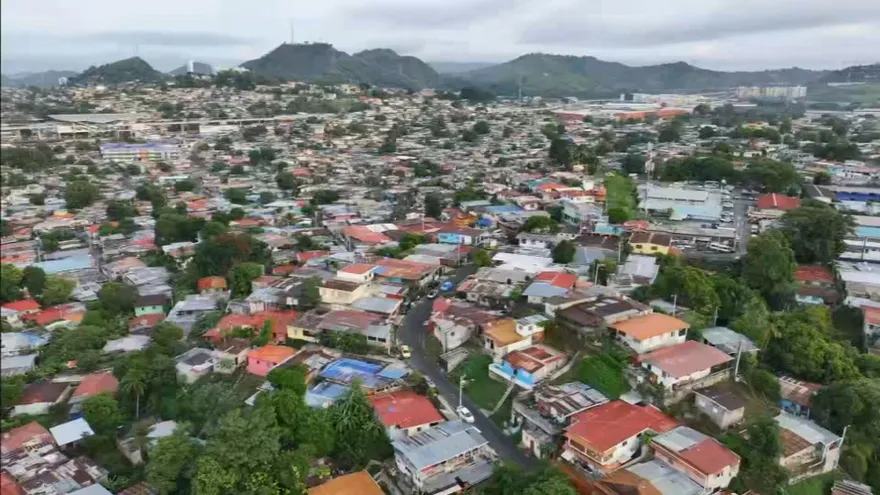
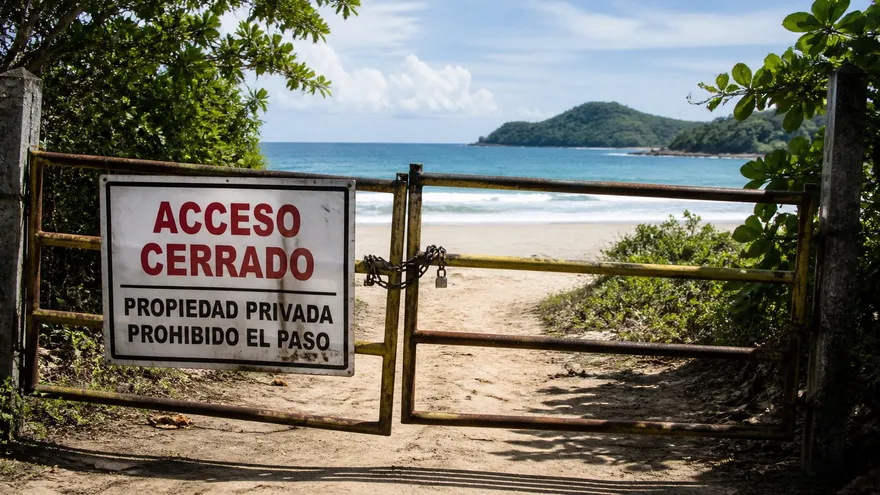
Panama's National Assembly has taken a decisive step to reclaim public access to natural resources, a move long overdue for many communities. For years, citizens have faced increasing restrictions, with gates, fences, and even informal tolls blocking pathways to beloved beaches, rivers, and ancestral farmlands. This project, approved in its final reading, directly confronts this growing problem, which has not only sparked local disputes but also hampered economic activities that rely on these accessible areas.
In several regions of the country, what for years was free passage to a beach, a river, or a farm, is today closed with gates, fences, or even improvised tolls.
The new legislation, set to become law if signed by the President, introduces significant penalties. Those found guilty of arbitrarily obstructing public roads or restricting access to collective spaces will face three to seven years in prison. The penalties escalate to five to ten years for individuals who use deceit to illegally claim state-owned land, such as national parks or protected water sources. This firm stance sends a clear message that the privatization of public spaces will no longer be tolerated.
The initiative, which modifies the Penal Code with the incorporation of articles 229-A and 229-B, seeks to put a stop to the practice of closing public use roads or restricting access to spaces of collective interest.
This initiative, championed by representatives like Edwin Vergara, highlights a critical issue affecting numerous regions across Panama. Vergara pointed out that within a mere three-kilometer radius in his own constituency, nine previously public access routes have been blocked. The law's passage is a victory for citizens who have been fighting to maintain their traditional rights to access these vital natural assets. It reflects a growing awareness and political will to protect common resources from private encroachment, ensuring that Panama's natural beauty remains accessible to all.
In a small radius of approximately three kilometers (3 km), there are already 9 closed roads that were of public access, which community members used to access their pastures, farms, and recreational areas.
DistantNews Editorial
Originally published by TVN Panamá in Spanish. Translated, summarized, and contextualized by our editorial team with added local perspective. Read our editorial standards.
More Stories


From Our Blog

What Gets Lost (and Found) When News Is Translated

The Critical Role of Diaspora Media in Global News

What Travellers Should Know About Countries with Restricted Press

A Digital Nomad's Guide to Following Local News

How the Same Story Looks Different in Different Countries
