


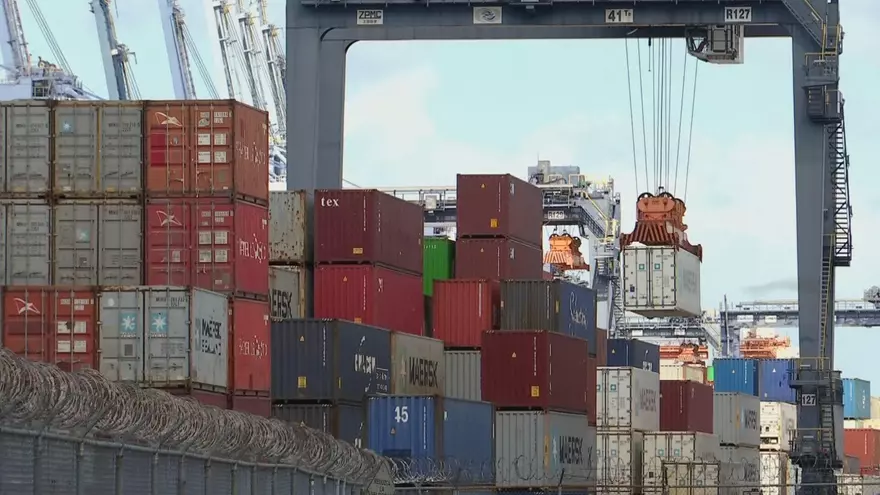
Panama Business Groups Warn Bill 491 Threatens Logistics Competitiveness
Translated from Spanish, summarized and contextualized by DistantNews.
TLDR
- Panamanian business groups, including APEDE and the Maritime Chamber, are concerned about the potential negative impact of Bill 491 on the country's logistics competitiveness.
- The bill proposes new economic charges on container movement and port-related services to fund increased pensions for retirees receiving less than $600 monthly.
- Business leaders argue that these increased costs could harm Panama's position as a regional logistics hub and lead to cargo diversion.
Panama's vibrant logistics sector, a cornerstone of its economy, faces a significant challenge with the proposed Bill 491. Business leaders from APEDE and the Maritime Chamber have voiced strong concerns, warning that the bill's provisions could undermine the country's hard-won competitive edge. While the initiative's social objective—increasing pensions for low-income retirees—is commendable, the proposed funding mechanism is seen as detrimental. The plan to impose a $1.50 charge per TEU (twenty-foot equivalent unit) entering the country's ports, along with other fees on port services, is viewed as a direct threat to Panama's efficiency and cost-competitiveness. In a global market where logistics hubs vie fiercely for market share, any increase in operational costs could prove disastrous. Giulia De Sanctis, president of APEDE, rightly points out that Panama competes on efficiency, reliability, and competitiveness, not on being the most expensive. The fear is that these added costs will not only deter new investment but could also cause existing operations to seek more favorable destinations, impacting a wide network of businesses, from large operators to small and medium-sized enterprises. The sector, which contributes significantly to Panama's GDP and employment, relies on maintaining its streamlined and cost-effective operations. A thorough technical analysis of the bill's economic and regulatory implications is crucial before any decision is made, ensuring that social progress does not come at the expense of national economic strength and global standing.
Panama does not compete on being the most expensive, it competes on being efficient, reliable, and competitive. Protecting that position is fundamental to continue generating investment, employment, and opportunities for all.
DistantNews Editorial
Originally published by TVN Panamá in Spanish. Translated, summarized, and contextualized by our editorial team with added local perspective. Read our editorial standards.
More Stories

From Our Blog

What Gets Lost (and Found) When News Is Translated

The Critical Role of Diaspora Media in Global News

What Travellers Should Know About Countries with Restricted Press

A Digital Nomad's Guide to Following Local News

How the Same Story Looks Different in Different Countries
