

Panama intensifies national dengue operations, urges continued prevention
Translated from Spanish, summarized and contextualized by DistantNews.
At a glance
News
Named sources
Context piece
- Panama's Ministry of Health is intensifying national operations against dengue, focusing on eliminating mosquito breeding sites.
- Despite a 34.9% reduction in cases compared to last year, authorities urge continued prevention, especially in August and September.
- Health teams are conducting house-to-house inspections, community education, and vector control in high-risk areas like Tocumen.
Panama's Ministry of Health (Minsa) is stepping up its fight against dengue, launching intensified national operations to eliminate breeding grounds for the Aedes aegypti mosquito, the disease's vector. Health teams conducted house-to-house inspections in Tocumen on Sunday, identifying and removing potential breeding sites as part of a broader prevention strategy.
While Panama has seen a significant 34.9% decrease in cumulative dengue cases compared to the same period in 2025, health officials emphasize the need for vigilance. They warn that August and September are critical months requiring sustained prevention efforts. The Metropolitan Region currently reports the highest number of cases, with approximately 1,780 infections, a situation partly attributed to high population density. Tocumen, Veracruz, and 24 de Diciembre are priority areas for vector control in this region, with similar operations underway in Colón province.
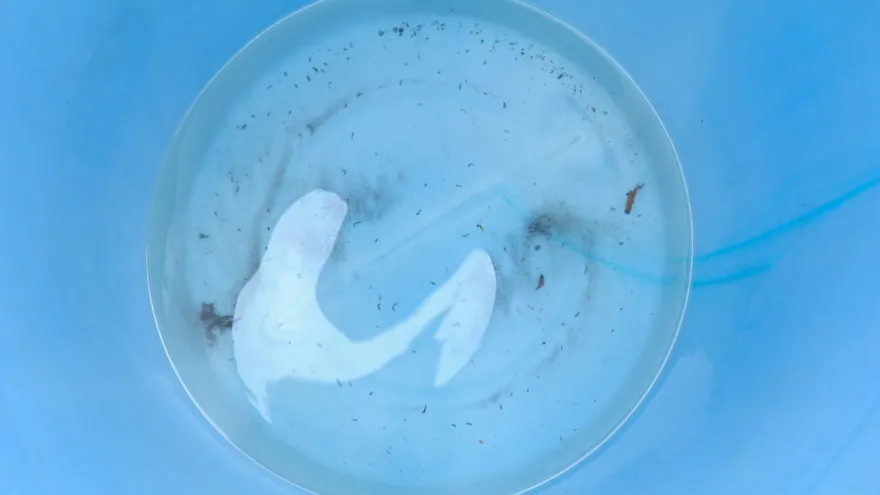
Inspections in Tocumen revealed common breeding sites such as accumulated scrap metal, trash, and uncovered water containers. Authorities also highlighted concerns about water storage due to supply issues, urging residents to properly cover, empty, clean, or discard any containers that could hold water. Minsa is collaborating with other institutions, including the National Directorate of Urban and Domestic Cleaning and the National Institute of Aqueducts and Sewerage, stressing that eliminating breeding sites is a shared responsibility with the community.
Medical personnel are also advised to maintain a high clinical suspicion for dengue symptoms, particularly in emergency services, to ensure early detection and treatment. Health officials reiterated that prevention is an ongoing task, extending beyond fumigation and inspection campaigns to encompass daily practices within homes and communities.
It is not a fight for Minsa alone; we must share responsibilities with the community to eliminate potential breeding sites and break the chain of transmission.
DistantNews Editorial
Originally published by TVN Panamá in Spanish. Translated, summarized, and contextualized by our editorial team with added local perspective. Read our editorial standards.
More Stories


From Our Blog

What Gets Lost (and Found) When News Is Translated

The Critical Role of Diaspora Media in Global News

What Travellers Should Know About Countries with Restricted Press

A Digital Nomad's Guide to Following Local News

How the Same Story Looks Different in Different Countries
